The Power of Mudras: Hand Gestures in Hindu Rituals and Yoga
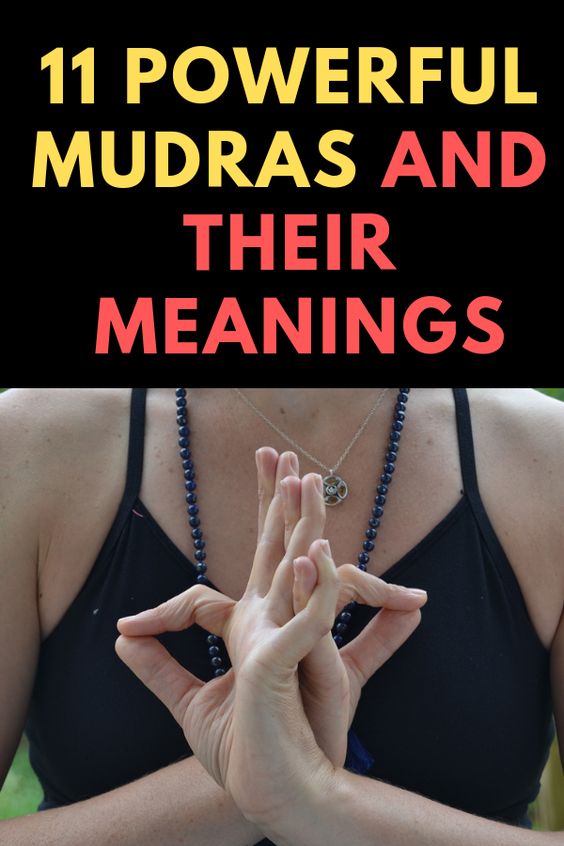
In the ancient traditions of Hinduism and yoga, mudras hold a significant place as sacred hand gestures that possess the power to channel energy, enhance focus, and promote spiritual evolution. These gestures are believed to create a bridge between the physical and spiritual realms, facilitating the flow of vital energy (prana) throughout the body.
Origin and Meaning of Mudras
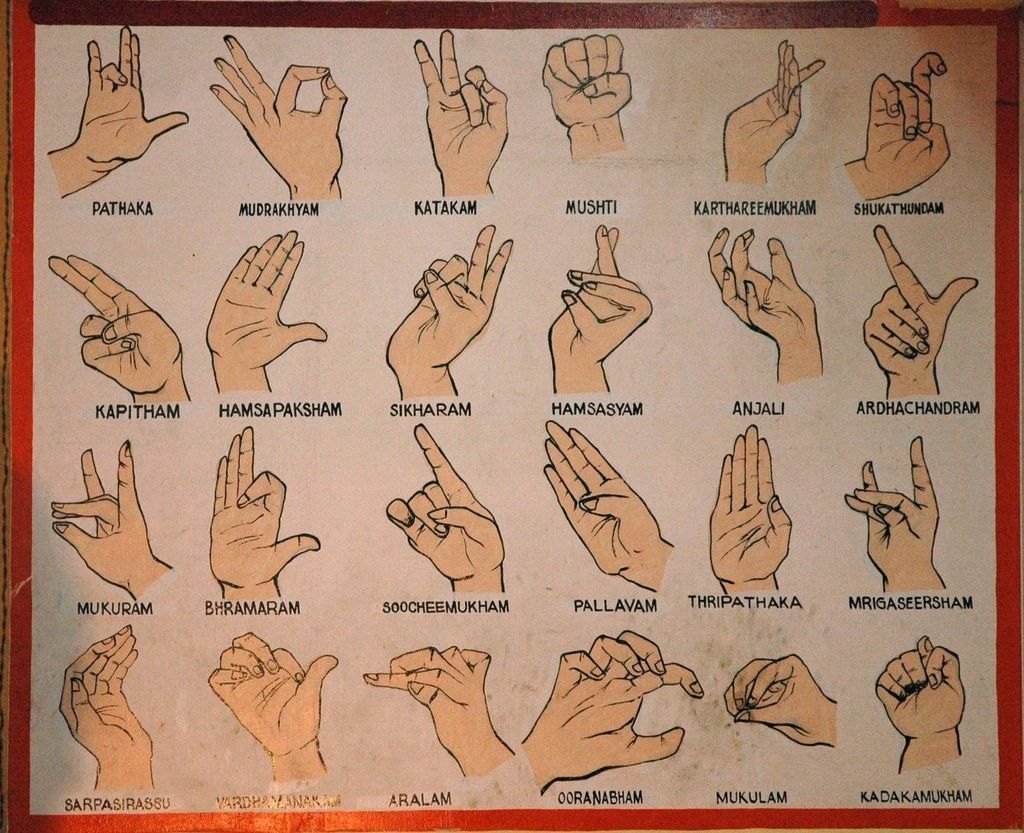
The term “mudra” is derived from the Sanskrit word “mudra,” meaning “seal” or “symbol.” Mudras have been an integral part of Hindu rituals and yoga practices for centuries, dating back to the Vedic era. They are often depicted in ancient texts, sculptures, and paintings, signifying their deep-rooted importance in Indian culture.
Types of Mudras
There are numerous mudras, each with its unique meaning and purpose. Some of the most well-known mudras include:
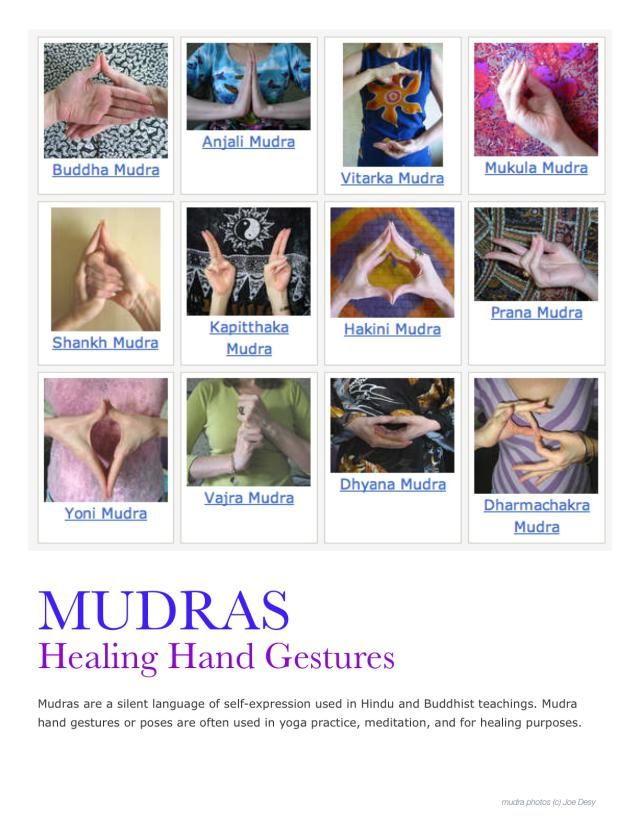
- Anjali Mudra (Salutation Mudra): Two palms pressed together in front of the chest, symbolizing reverence, respect, and offering.
- Namaste Mudra (Salutations to You): Similar to Anjali Mudra, with palms pressed together but held slightly higher, conveying a sense of gratitude and connection.
- Chin Mudra (Consciousness Mudra): Right hand resting on the left hand, with thumbs touching, promoting concentration and introspection.
- Yoni Mudra (Womb Mudra): Hands intertwined, forming a symbolic representation of the womb, fostering creativity and fertility.
- Prithvi Mudra (Earth Mudra): Touching the tip of the ring finger to the base of the thumb, grounding and stabilizing the mind and body.
Uses of Mudras
Mudras are used in various settings and for different purposes, including:
- Rituals and Ceremonies: Mudras play a central role in Hindu rituals, such as pujas (worships) and yagnas (fire sacrifices). They enhance the spiritual power of mantras (sacred utterances) and prayers.
- Yoga Practices: Mudras are incorporated into yoga asanas (postures) and pranayama (breathing exercises) to enhance concentration, stabilize the mind, and promote energy flow.
- Meditation and Spiritual Development: Mudras are used in meditation techniques to facilitate inner silence, connect with higher powers, and experience a sense of peace and tranquility.
- Healing and Well-being: Certain mudras are believed to have therapeutic effects, promoting digestion, reducing stress, and alleviating physical ailments.
Activation and Benefits of Mudras
To activate a mudra, the hands are held in the specific gesture for a few minutes or longer. The duration of practice may vary depending on the purpose and the individual’s experience with mudras.
Regular practice of mudras has numerous benefits, including:
- Enhanced Concentration and Focus: Mudras help calm the mind, improve attention, and increase mental clarity.
- Reduced Stress and Anxiety: By regulating the flow of energy, mudras promote relaxation, reduce stress levels, and bring a sense of tranquility.
- Improved Physical Health: Certain mudras are believed to stimulate specific organs and systems, promoting digestion, regulating blood pressure, and enhancing overall well-being.
- Spiritual Growth and Transformation: Mudras facilitate a connection to the divine and support the journey of spiritual evolution.
Conclusion
The power of mudras lies in their ability to bridge the gap between the physical and the spiritual. By embodying sacred hand gestures, individuals can harness the energy of the universe, cultivate inner peace, and enhance their overall well-being. Whether practiced in rituals, yoga, meditation, or as part of a personal spiritual journey, mudras offer a profound tool for growth, transformation, and connection.## The Power of Mudras: Hand Gestures in Hindu Rituals and Yoga
Executive Summary
Mudras are hand gestures that hold profound significance in Hindu rituals and yoga practices. These symbolic gestures represent various aspects of the divine and are believed to channel energy and facilitate spiritual growth. By delving into the power and symbolism of mudras, we gain insights into the rich heritage of Indian spirituality.
Introduction
In the realm of Hindu rituals and yoga, hand gestures known as mudras serve as potent tools for connecting with the divine and fostering inner transformation. As ancient symbols woven into the fabric of Indian culture, mudras transcend mere physical gestures, embodying profound spiritual significance. This article explores the fascinating world of mudras, unraveling their history, symbolism, and practical applications.
FAQs
-
What is the origin of mudras?
-
Mudras are believed to have originated in ancient India, where they were used in religious rituals and yoga practices.
-
What are the different types of mudras?
-
There are numerous mudras, each with its own unique symbolism and purpose. Some common mudras include the Anjali Mudra (prayer pose), Jnana Mudra (gesture of knowledge), and Abhaya Mudra (gesture of fearlessness).
-
How do mudras work?
-
Mudras are believed to work by stimulating specific energy points in the body, facilitating the flow of prana (life force energy) and influencing the mind and consciousness.
Top 5 Subtopics
Symbolism of Mudras
- Mudras are imbued with profound symbolic meanings, often representing deities, elements, and spiritual concepts.
- Anjali Mudra (prayer pose): Symbol of reverence, devotion, and unity.
- Jnana Mudra (gesture of knowledge): Represents wisdom, intellect, and clarity of thought.
- Abhaya Mudra (gesture of fearlessness): Conveys a sense of protection, courage, and reassurance.
Mudras in Hindu Rituals
- Mudras play a pivotal role in Hindu rituals, where they are used to invoke deities, express devotion, and enhance the power of mantras (sacred sounds).
- Omkar Mudra: Represents the sacred syllable “Om” and is used during meditation and chanting.
- Nritya Mudra (dance pose): Symbolizes the divine dance of creation and is often performed during religious ceremonies.
- Yoni Mudra (womb pose): Represents the feminine aspect of the divine and is used to invoke fertility and abundance.
Mudras in Yoga
- Mudras are an integral part of yoga practices, where they are used to enhance concentration, focus, and connect with the mind and body.
- Chin Mudra (consciousness seal): Facilitates meditation and promotes inner awareness.
- Yoni Mudra (womb pose): Balances the feminine and masculine energies within the body.
- Apana Mudra (downward-facing energy): Stimulates the elimination process and aids in detoxification.
Therapeutic Benefits of Mudras
- Mudras have been shown to have therapeutic benefits, promoting relaxation, reducing stress, and improving overall well-being.
- Shunya Mudra (emptiness pose): Relieves headaches and improves ear health.
- Vayu Mudra (air gesture): Reduces gas, bloating, and digestive discomfort.
- Prithvi Mudra (earth pose): Grounding and stabilizing, helps to relieve anxiety and promote calmness.
Mudras for Everyday Use
- Mudras can be incorporated into daily life to promote balance, enhance focus, and reduce stress.
- Anjali Mudra (prayer pose): Helps to calm the mind and promote a sense of gratitude.
- Jnana Mudra (gesture of knowledge): Improves concentration and clarity of thought.
- Abhaya Mudra (gesture of fearlessness): Inspires confidence and reduces feelings of anxiety.
Conclusion
Mudras, the intricate hand gestures of Hindu rituals and yoga practices, are a testament to the profound wisdom and spiritual insights woven into Indian culture. By exploring the power of mudras, we gain access to a transformative tool that can deepen our connection with the divine, enhance our well-being, and guide us towards inner growth and fulfillment.
Relevant Keyword Tags
- Mudras
- Hindu Rituals
- Yoga
- Symbolism
- Therapeutic Benefits