
The Many Forms of the Hindu God Rama: The Ideal King and Protector of Dharma
Rama, one of the most revered deities in the Hindu pantheon, is renowned for his exceptional qualities as an ideal king, a warrior, and a staunch protector of dharma. Throughout his epic journey, as depicted in the Ramayana, Rama manifests in various forms, each embodying a distinct aspect of his divine nature.
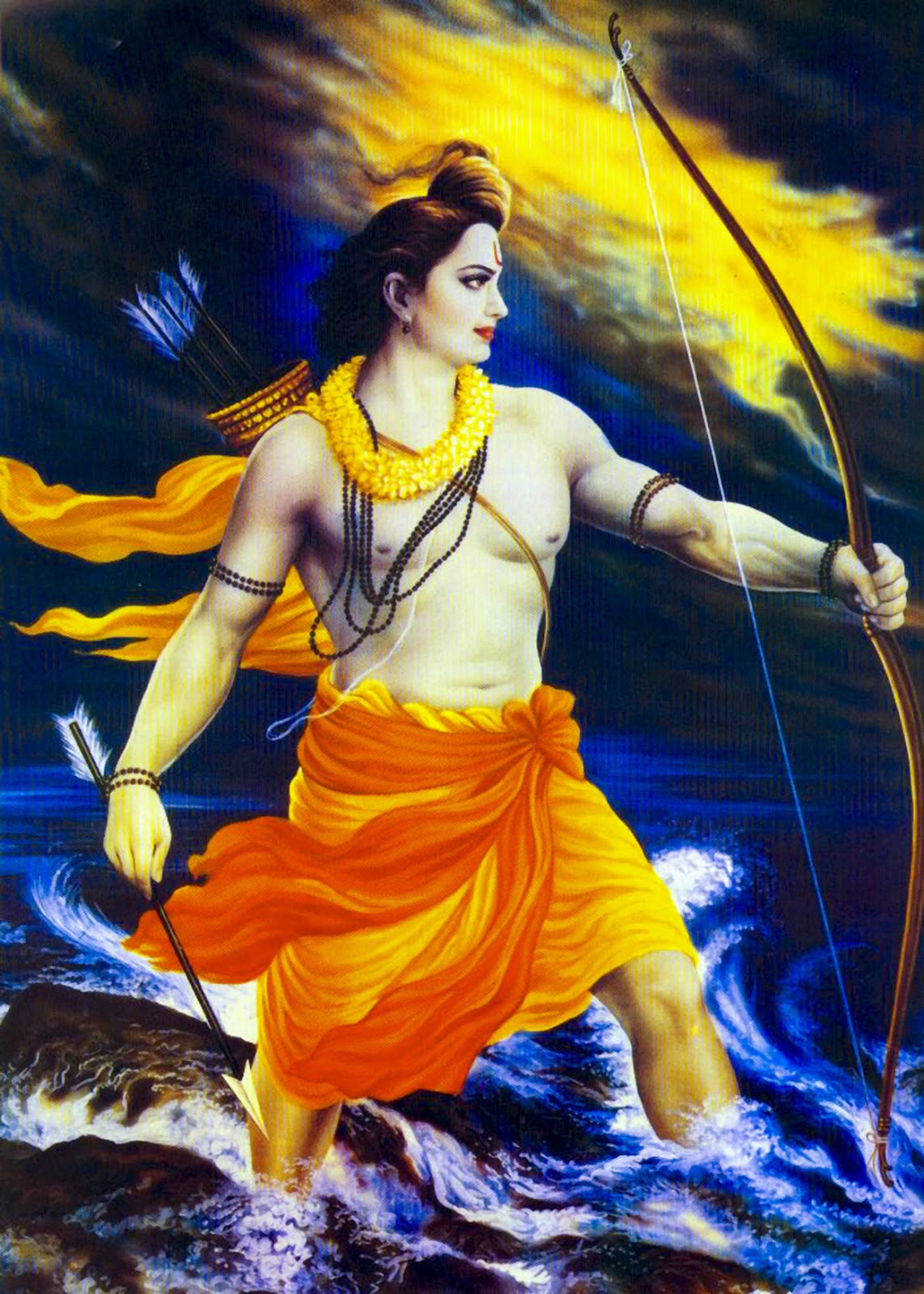
1. Ramachandra
Regarded as the supreme form of Vishnu, Ramachandra is the king of Ayodhya, the embodiment of perfect kingship. His name signifies “Moon of Rama,” representing his radiant and illuminating presence. As the ideal ruler, Ramachandra upholds righteousness, justice, and compassion, guiding his kingdom with unwavering integrity and wisdom.
2. Maryada Purushottama
Rama’s adherence to dharma earns him the title of Maryada Purushottama, meaning “the perfect man of self-control.” He epitomizes the highest ideals of conduct, morality, and ethical behavior. Throughout his trials and tribulations, Rama remains steadfast in his devotion to duty, demonstrating the importance of righteous action in the face of adversity.
3. Raghunatha
Descended from the Raghu dynasty, Rama is known as Raghunatha. This form highlights his noble lineage and his status as a king who embodies the qualities of a warrior, leader, and protector. Rama’s strength and valor are unparalleled, as he fearlessly faces his enemies to preserve justice and uphold dharma.
4. Dasarathi
Rama’s father is King Dasharatha, thus earning him the name Dasarathi. This form emphasizes the close bond between Rama and his father, as well as his filial devotion and respect for authority. Rama’s unwavering love for his family and his commitment to fulfilling his father’s wishes demonstrate his exemplary character and sense of duty.
5. Kakutstha
Kakutstha refers to the royal lineage of Rama, tracing his ancestry back to King Kakutstha. This form signifies his noble heritage and his rightful claim to the throne of Ayodhya. Rama’s unwavering adherence to tradition and his unwavering commitment to his ancestral lineage showcase his deep reverence for his forefathers.
6. Sita’s Rama
As the beloved husband of Sita, Rama assumes the form of Sita’s Rama. This form highlights the profound love and devotion that exists between Rama and his wife. Rama’s unwavering loyalty and unwavering commitment to Sita, even in the face of challenges and temptations, exemplify the ideals of marital devotion and fidelity.
7. Hanuman’s Rama
Hanuman, the loyal and devoted monkey warrior, holds Rama in the highest regard. In this form, Rama is seen as the object of Hanuman’s unwavering faith and devotion. Rama’s compassion, leadership, and unwavering belief in his followers inspire Hanuman to perform extraordinary feats of strength and courage.
8. Ravana’s Rama
Ravana, the demon king who abducts Sita, faces the wrath of Rama’s determination and might. In this form, Rama is seen as the vanquisher of evil and the protector of dharma. Rama’s victory over Ravana represents the triumph of good over evil and the restoration of cosmic balance.
Conclusion
Through his various forms, the Hindu god Rama represents the embodiment of ideal kingship, dharma, and righteous conduct. As the hero of the Ramayana, he serves as a beacon of hope and inspiration, demonstrating the power of devotion, duty, and unwavering commitment to truth and justice. Rama’s timeless story continues to resonate with millions of devotees around the world, inspiring them to live lives of virtue and to strive for the highest ideals of humanity.## The Many Forms of the Hindu God Rama: The Ideal King and Protector of Dharma
Executive Summary
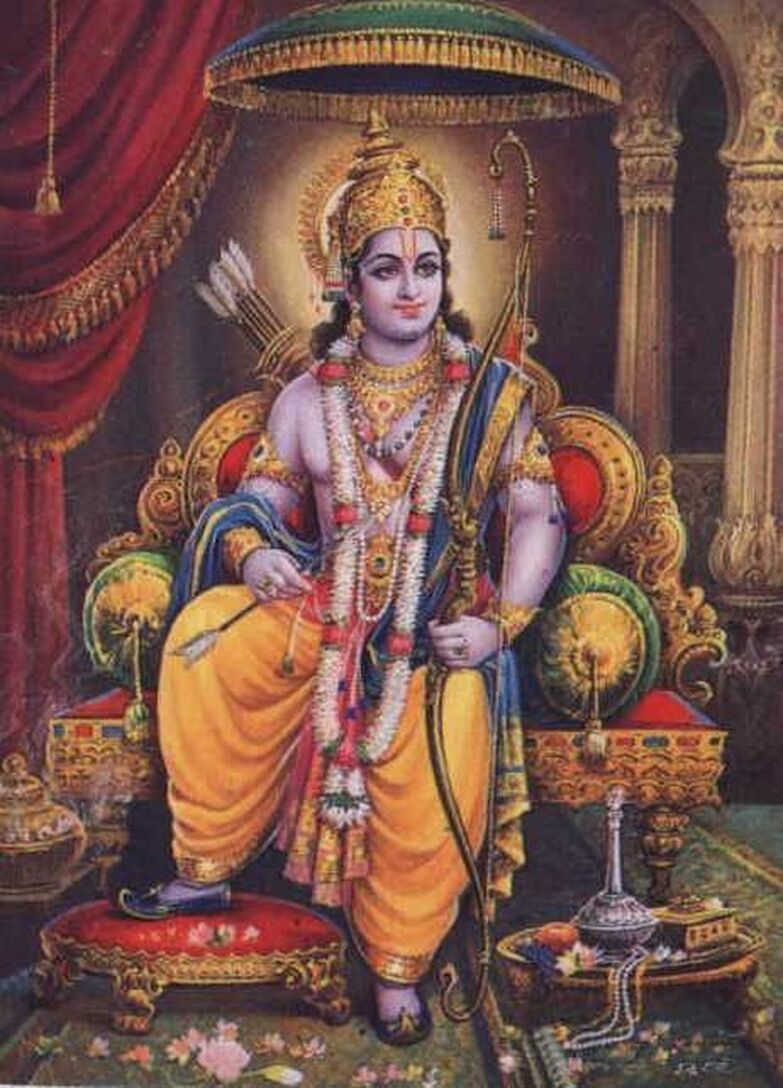
Rama, the central figure of the Hindu epic Ramayana, is a revered deity who embodies the ideals of kingship, righteousness, and devotion. His various forms reflect the multifaceted nature of his character and the diverse roles he played throughout his journey. This article explores the different forms of Rama, highlighting their significance in Hindu mythology and their enduring influence on Indian culture.
Introduction
In the vast pantheon of Hindu deities, Rama stands as a towering figure, renowned for his unwavering devotion to dharma (righteousness) and his exemplary qualities as a king. The Ramayana, the epic that recounts his life and adventures, has captivated countless generations with its tales of heroism, sacrifice, and the triumph of good over evil.
Through his multiple forms, Rama represents the different aspects of his divine nature and the various roles he fulfilled throughout his lifetime. These forms epitomize the virtues and ideals that define the concept of an ideal king in Hindu tradition.
FAQ
- Who is Rama?
Rama is the seventh avatar of the Hindu god Vishnu, who descended to Earth to restore dharma and vanquish the demon king Ravana. - What is the significance of Rama’s different forms?
Each form of Rama represents a specific aspect of his divine nature and the various roles he played in his life. - How are Rama’s forms relevant to Hindu culture?
Rama’s forms have deeply influenced Indian art, literature, and religious practices, serving as symbols of righteousness, devotion, and hope.
The Five Forms of Rama
Rama as the Ideal King (Ramachandra)
- Maryada Purushottama: The epitome of righteous conduct, Rama lived by the highest moral standards and obeyed the laws of dharma.
- Vijayant: The victorious, who triumphed over adversity and established a prosperous kingdom.
- Raghava: The descendant of King Raghu, known for his lineage and noble lineage.
- Ayodhya Pati: The king of Ayodhya, Rama ruled with wisdom, compassion, and justice.
Rama as the Divine Warrior (Parasurama)
- Sixth Avatar of Vishnu: Parasurama was a formidable warrior who fought against the tyranny of the kshatriyas (warrior caste).
- Lord of the Mountains: Rama as Parasurama was the protector of the mountains and the destroyer of evil.
- Axe-wielder: Parasurama carried a powerful axe, the Parashu, with which he vanquished his enemies.
- Sage: Despite his martial prowess, Parasurama was also a wise sage and teacher of the martial arts.
Rama as the Cosmic Form (Vishwarupa)
- All-Pervading Form: Vishwarupa is the universal form of Rama, representing his omnipresence and omnipotence.
- Exhibiting the Universe: Rama in this form revealed the entire universe within his body, showing his greatness and cosmic nature.
- Overpowering Ravana: When Hanuman encountered Rama in his Vishwarupa form, Ravana was humbled and forced to acknowledge Rama’s immense power.
- Symbol of Glory: Vishwarupa symbolizes Rama’s radiant glory and boundless might.
Rama as the Chariot Rider (Ramachandra)
- Avatara with Lakshman: Rama as Ramachandra appeared alongside his brother Lakshman to free Sita from Ravana’s captivity.
- Expertise in Archery: Rama was renowned for his exceptional archery skills and strategic prowess in battle.
- Symbol of Hope: Rama’s triumphant return to Ayodhya on a chariot represented the restoration of dharma and the victory of good over evil.
- Aiding the Gods: Ramachandra helped the gods defeat the demons and establish peace.
Rama as the Supreme Being (Parabrahman)
- Ultimate Reality: Parabrahman is the highest form of Rama, representing the formless, infinite, and absolute.
- Beyond Name and Form: Parabrahman is beyond human comprehension and transcends all duality.
- Source of All Creation: Parabrahman is the origin and ultimate source of all that exists.
- Goal of Devotion: The ultimate goal of devotion to Rama is to attain Parabrahman and experience the divine essence.
Conclusion
The many forms of Rama embody the diverse and multifaceted nature of this revered Hindu deity. As the ideal king, divine warrior, cosmic form, chariot rider, and supreme being, Rama represents the highest virtues and ideals that define Hindu spirituality. His teachings and life story continue to inspire generations of believers and serve as a beacon of hope and righteousness in the face of adversity.
Keyword Tags
- Ramayana
- Hindu Myth
- Vishnu Avatar
- Dharma
- Ideal King