Karma and the Quest for Liberation in Hinduism
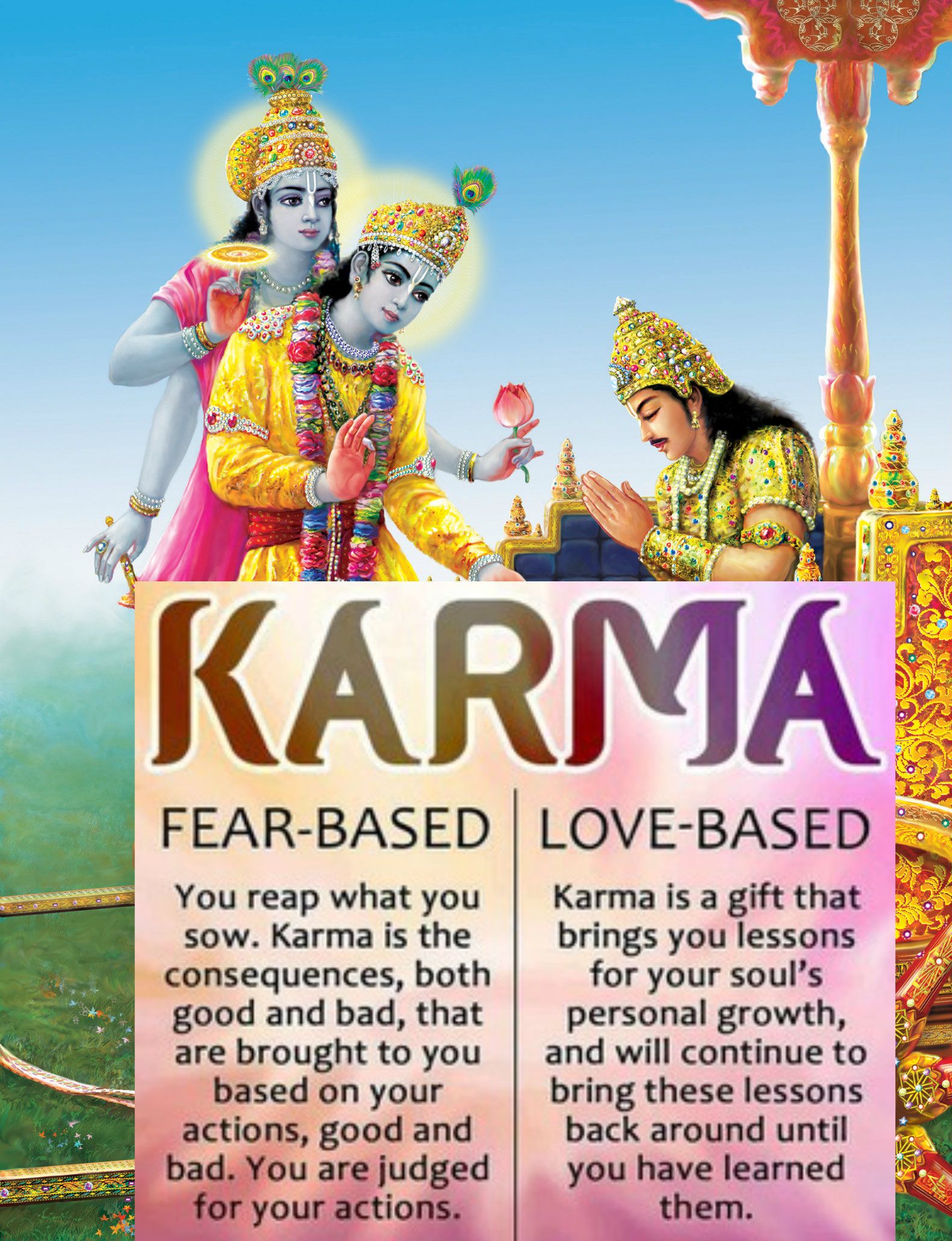
Karma is a central concept in Hinduism, referring to the actions, both good and bad, that determine a person’s destiny. It is believed that the consequences of one’s actions will be felt not only in this life but also in future lives.
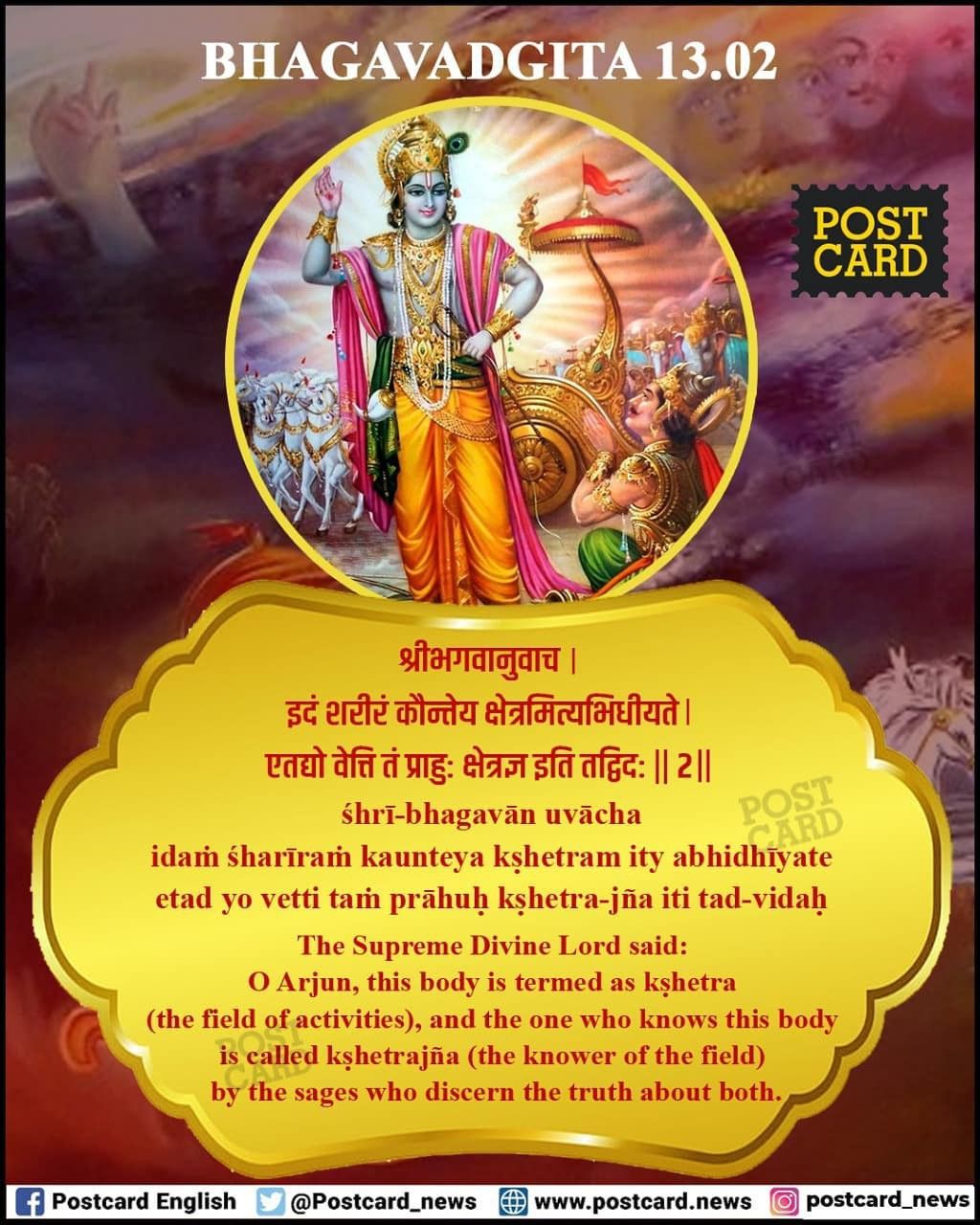
The goal of Hinduism is to achieve liberation from the cycle of birth, death, and rebirth. This liberation, known as moksha, is achieved through the realization of the true nature of the self and the attainment of spiritual enlightenment.
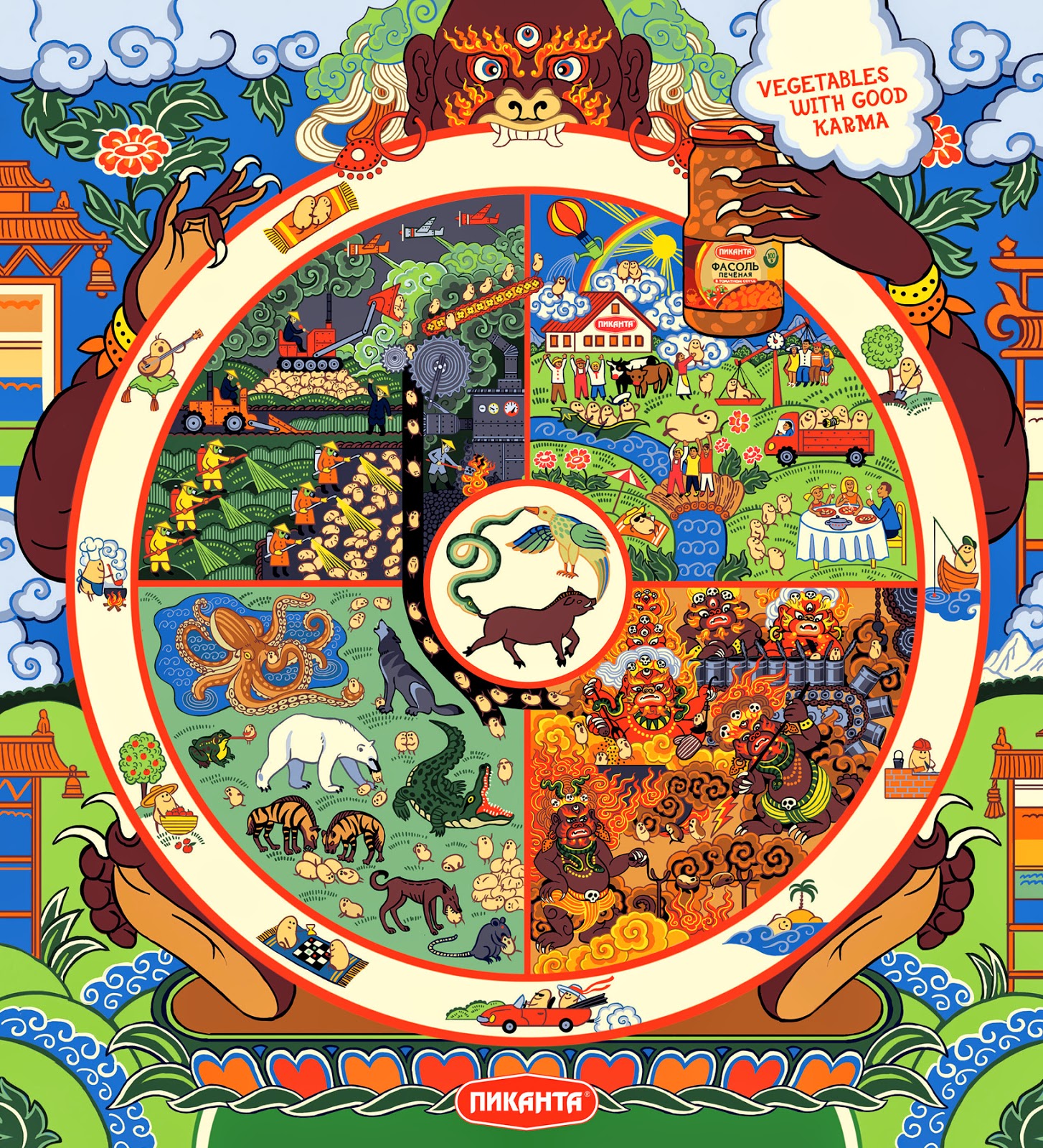
The pursuit of liberation involves the practice of dharma, which refers to one’s duties and responsibilities in life. Dharma can vary depending on one’s caste, gender, and stage of life. By fulfilling one’s dharma, one can accumulate good karma and progress towards liberation.
One of the key aspects of karma is its impersonal nature. Karma is not a divine force that punishes or rewards people; rather, it is simply a law of cause and effect. The consequences of one’s actions are not arbitrary but are the result of the natural order of the universe.
The belief in karma emphasizes the importance of personal responsibility and ethical conduct. By understanding the consequences of their actions, individuals are encouraged to behave in a virtuous and compassionate manner.
The quest for liberation is not a passive process; it requires active effort and self-discipline. One must strive to overcome negative qualities such as greed, anger, and attachment. Through practices such as meditation, yoga, and selfless service, one can purify the mind and gain control over the senses.
As one progresses on the path of liberation, they develop a deeper understanding of the interconnectedness of all things. They realize that their actions not only affect themselves but also the world around them. This realization leads to a sense of compassion and a desire to alleviate the suffering of others.
Ultimately, the quest for liberation is a journey of self-discovery and transformation. Through the practice of dharma, the cultivation of virtues, and the realization of the true nature of the self, individuals can break free from the cycle of karma and attain the ultimate goal of moksha.## Karma And The Quest For Liberation In Hinduism
Executive Summary
Karma, a fundamental principle in Hinduism, governs the cycle of rebirth and determines an individual’s destiny. This article delves into the concept of karma and its significance in the quest for liberation, known as moksha. We explore the intricacies of karmic actions, their consequences, and the path to transcend their influence.
Introduction
Karma, an ancient Sanskrit word meaning “action” or “deed,” is a pivotal concept in Hinduism. It refers to the sum total of an individual’s intentional actions, both physical and mental, which determine their present and future experiences. Karma plays a crucial role in the cycle of rebirth, known as samsara, through which souls transmigrate until they attain liberation.
FAQs
-
What is the relationship between karma and rebirth?
- In Hinduism, the law of karma governs the cycle of rebirth.
- Each action has a corresponding reaction, shaping the nature of one’s future lives.
- The accumulation of positive karma leads to favorable experiences and circumstances, while negative karma has the opposite effect.
-
How can I improve my karma?
- Perform selfless acts of virtue and kindness.
- Control negative thoughts and emotions.
- Seek spiritual knowledge and engage in meditation.
- Forgive others and let go of attachments.
-
Is it possible to escape the cycle of karma?
- Yes, moksha, or liberation, is the ultimate goal of Hinduism.
- It involves transcending the cycle of karma by realizing the true nature of reality and the self.
- This realization leads to a state of eternal bliss and freedom from suffering.
Subtopics
Karma and its Types
- Sanchita Karma: Accumulated karma from past lives, determining one’s current circumstances.
- Prarabdha Karma: The portion of sanchita karma that is actively manifesting in this life.
- Kriyamana Karma: Current actions that shape future experiences.
- Gamya Karma: The results of kriyamana karma that will be experienced in future lives.
Law of Karma
- Action and Reaction: Every action, conscious or unconscious, has an equal and opposite reaction.
- Intention Matters: The intent behind an action carries significant weight, shaping its karmic consequences.
- Aggregative Effect: Karma accumulates over time, influencing an individual’s destiny.
- Inevitable Consequences: Karmic effects are inescapable, regardless of one’s knowledge or beliefs.
The Path to Liberation
- Self-Realization: Understanding the true nature of the self, beyond the ego and attachments.
- Non-Attachment: Detaching from worldly desires and possessions, which perpetuate the cycle of karma.
- Mindfulness and Meditation: Cultivating awareness of thoughts and actions, leading to greater control over karma.
- Compassion and Service: Acting selflessly and with compassion towards others, generating positive karma.
The Role of Dharma
- Dharma: The righteous path or code of conduct, as defined by one’s social role and spiritual development.
- Virtuous Actions: Performing actions aligned with dharma generates positive karma.
- Balancing Karma: Dharma balances karma by emphasizing duty and responsibility, mitigating the consequences of negative actions.
- Liberation Through Dharma: Following dharma can lead to liberation by creating a path of self-purification and spiritual growth.
Final Conclusion
Karma, as a fundamental principle in Hinduism, profoundly influences our lives. Understanding the law of karma empowers us to shape our destiny by making conscious choices. The quest for liberation, moksha, involves transcending the cycle of karma through self-realization, non-attachment, and the pursuit of dharma. By aligning our actions with the true nature of reality, we can attain freedom from the limitations of karma and experience eternal bliss.
Keyword Tags
- Hindu Philosophy
- Karma and Dharma
- Cycle of Rebirth
- Liberation (Moksha)
- Self-Realization