The Eternal Dance of Creation and Destruction: Understanding Shiva in Hindu Mythology
In the tapestry of Hindu mythology, Shiva stands as a multifaceted deity, embodying both creation and destruction, dance and stillness, love and detachment. His profound nature and symbolic significance have captivated devotees and seekers of truth for millennia.
Origins and Lineage:
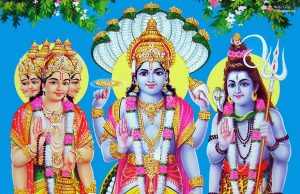
Shiva is one of the three supreme deities in the Hindu triumvirate, alongside Brahma the creator and Vishnu the preserver. He is often depicted as the son of Brahma, emerging from his forehead. However, other accounts suggest that Shiva was born from the tears of Vishnu or even from the union of Brahma and Vishnu.
Symbolism and Iconography:
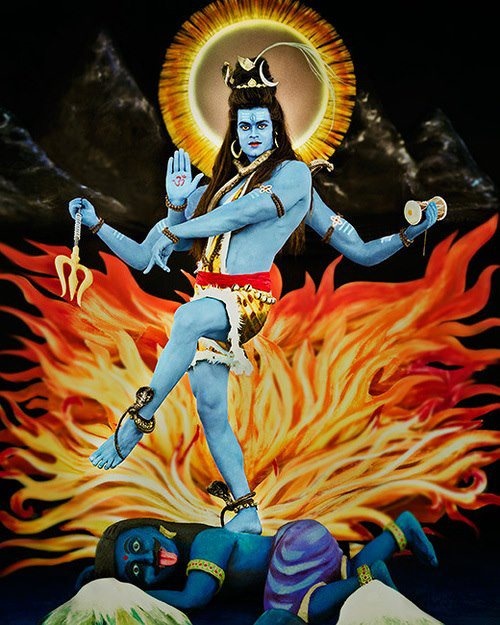
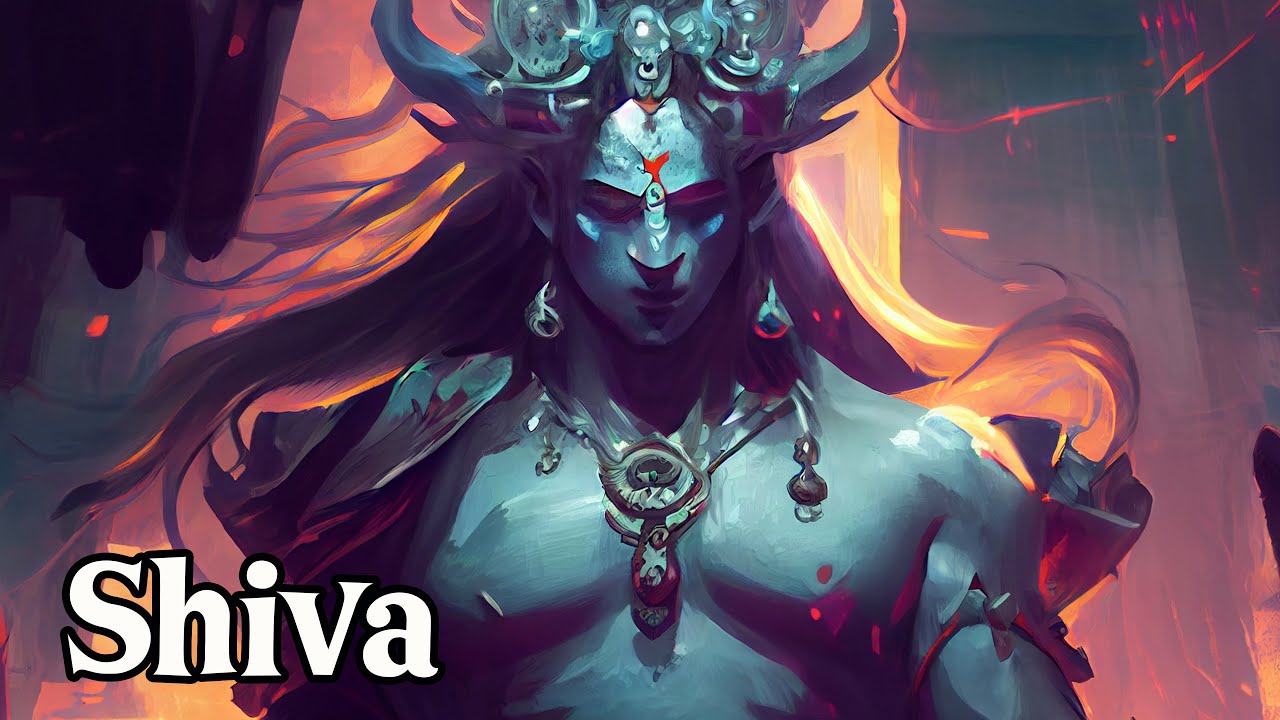
Shiva’s iconography is rich in symbolism. He is often depicted with a third eye on his forehead, symbolizing his omniscience and ability to see beyond the veil of illusion. He holds a trident (trishula), which represents the three gunas (qualities) of nature: sattva, rajas, and tamas. His blue skin signifies his cosmic proportions and transcendence of earthly limitations.
Cosmic Dance (Tandava):
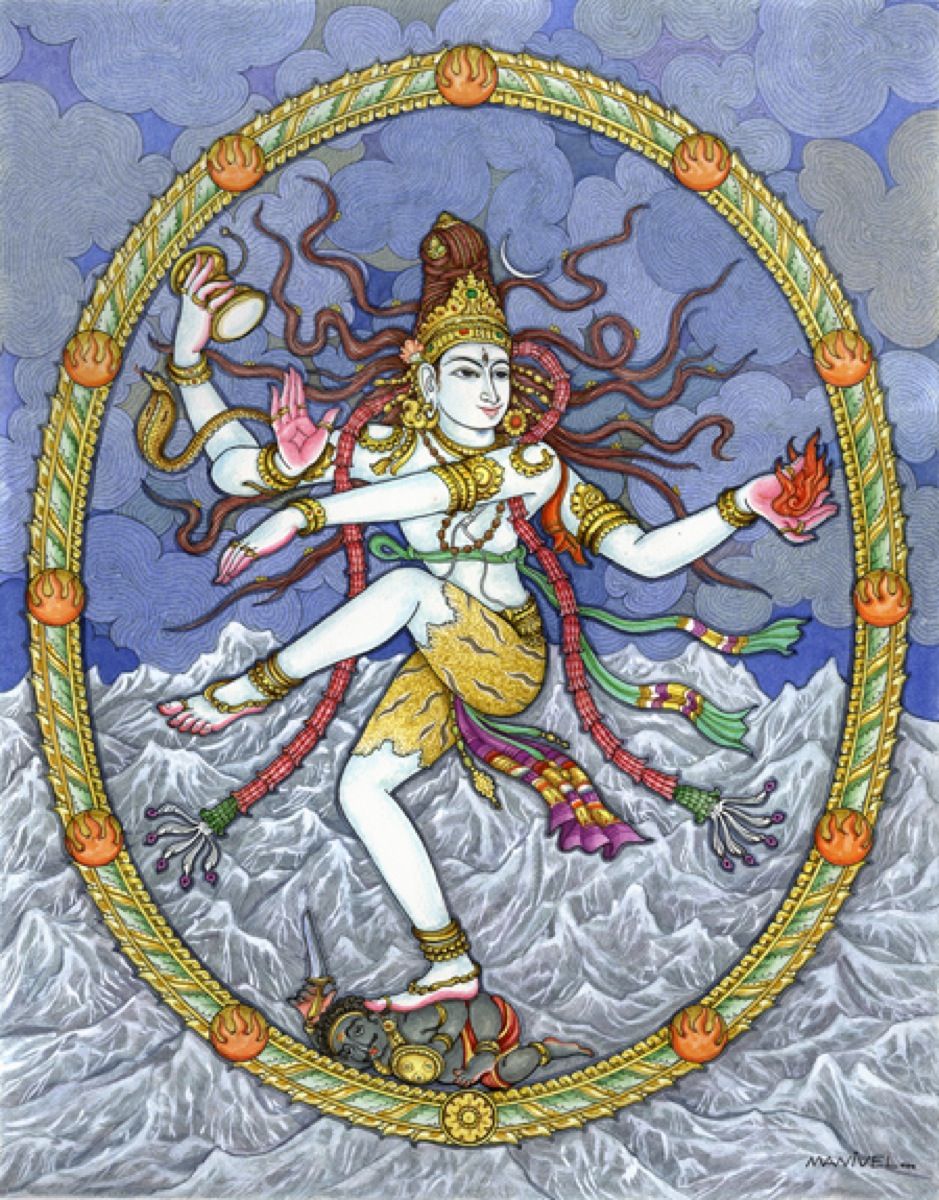
Shiva is known for his cosmic dance, the Tandava. This dance is both creative and destructive, representing the perpetual cycle of birth, decay, and renewal in the universe. Through his dance, Shiva dissolves old forms and creates new ones, ensuring the continuous evolution of existence.
Form and Manifestations:
Shiva has numerous forms and manifestations, each representing a different aspect of his nature. Some of the most well-known include:
- Natrajaraja: The Lord of the Dance, embodying Shiva’s cosmic dance.
- Mahadeva: The Great God, representing Shiva’s supreme power and transcendence.
- Ardhanarishvara: The half-male, half-female form, symbolizing the complementary nature of the masculine and feminine principles.
- Bholenath: The Innocent Lord, highlighting Shiva’s compassionate and forgiving nature.
Shakti and the Divine Feminine:
Shiva’s power is often expressed through his consort, Shakti, who represents the feminine energy of the universe. Together, they symbolize the harmonious balance between creativity and destruction, passion and detachment.
Worship and Devotion:
Shiva is revered by devotees across India and beyond. His temples are adorned with his images and are places of pilgrimage for seekers. Worship of Shiva typically involves meditation, chanting mantras, and offering flowers and other sacred items.
Significance and Impact:
Through his multifaceted nature and profound symbolism, Shiva embodies the fundamental truths of existence: the eternal cycle of creation and destruction, the interplay of opposites, and the transcendent nature of reality. His teachings and insights have inspired generations of seekers, artists, and philosophers, and continue to resonate deeply within the human consciousness.## The Eternal Dance Of Creation And Destruction: Understanding Shiva In Hindu Mythology
Executive Summary
This article explores the multifaceted nature of Shiva, the Hindu god of creation and destruction, and his role in the cosmic cycles of birth, death, and rebirth. Through an examination of his symbolism, attributes, and major events from Hindu mythology, we gain a deeper understanding of the paradoxical and profound significance of Shiva in the spiritual evolution of humanity.
Introduction
In the pantheon of Hindu gods, Shiva stands as a towering figure, embodying both the destructive and creative forces that shape the universe. As the “Destroyer of Darkness,” he represents the transformative power of death and annihilation. Yet, he is also known as “the Auspicious One,” the source of all creation and renewal. This enigmatic duality is central to Shiva’s complex and fascinating mythology.
FAQs
-
Who is Shiva?
- Shiva is one of the three principal deities in Hinduism, along with Brahma (creator) and Vishnu (preserver).
- He is known as the god of destruction, transformation, and renewal.
-
What is Shiva’s appearance?
- Depicted as a blue-skinned, four-armed figure with a third eye on his forehead.
- Carries a trident, a symbol of his threefold power of creation, preservation, and destruction.
-
What is Shiva’s relationship to the universe?
- Shiva is the primordial god from whom all creation originates.
- He is also the agent of destruction, responsible for the dissolution of the universe at the end of each cosmic cycle.
Subtopics
Role of the Destroyer
- Destroyer of Darkness: Shiva’s destructive aspect signifies the elimination of ignorance, evil, and stagnation.
- Cosmic Dissolution: He is responsible for the annihilation of the universe at the end of each kalpa (cosmic cycle).
- Symbolic Representation of Death: His ability to destroy is seen as a natural process necessary for rebirth and renewal.
- Time and Renewal: Shiva’s destructive power manifests as the passage of time, which ultimately leads to the dissolution and regeneration of all things.
God of Creation
- Origin of All Creation: Shiva is believed to be the source from which the universe emanates.
- Shakti and Ardhanarishvara: He is often portrayed as Ardhanarishvara, a composite form with half male (Shiva) and half female (Shakti, his consort).
- Symbol of Renewal and Fertility: Shiva’s association with creation is reflected in his phallic symbol, the linga.
- Dance of Creation: The cosmic dance of Nataraja, Shiva’s iconic form, symbolizes the continuous cycle of creation and destruction.
Transformation and Asceticism
- Yogeshwara: Shiva is known as the “Lord of Yogis” and is revered as the ultimate ascetic.
- Meditation and Tapas: He practices extreme austerities and meditation to attain spiritual enlightenment.
- Overcoming Samsara: His asceticism represents the path to liberation from the cycle of birth and death.
- Symbol of Detachment: Shiva’s nudity and matted hair symbolize his renunciation of worldly possessions and desires.
The Third Eye and Knowledge
- Eye of Knowledge: Shiva’s third eye represents his ability to see into the past, present, and future.
- Destroyer of Ignorance: The opening of his third eye emits fiery energy that destroys ignorance and illusion.
- Symbol of Inner Wisdom: Shiva’s third eye represents the awakening of spiritual consciousness.
- Unveiling the Truth: Through meditation, devotees seek to cultivate the Third Eye’s power to discern truth from falsehood.
Natrajar and the Cosmic Dance
- Dance of Creation and Destruction: Nataraja is Shiva’s iconic form as the Cosmic Dancer, performing the Tandava dance.
- Rhythm of the Universe: His dance embodies the rhythms of the universe, representing both creation and dissolution.
- Fire and Water: Within the dance, a ring of fire symbolizes creation, while the flowing waters below represent destruction.
- Symbol of the Cycle of Time: Nataraja’s dance is an eternal performance that transcends space and time, depicting the ceaseless cycle of creation and destruction.
Conclusion
The enigmatic figure of Shiva reveals a profound understanding of the interconnectedness of existence. His representation as both creator and destroyer underscores the cyclical nature of the universe and the inevitability of change. Through his symbolism, attributes, and mythological narratives, Shiva becomes a multifaceted symbol of the transformative power that resides within us all. By embracing the duality of creation and destruction, we can gain a deeper understanding of our own existence and the dynamic nature of the world we inhabit.
Keyword Tags
- Shiva
- Hindu Mythology
- Creation
- Destruction
- Transformation