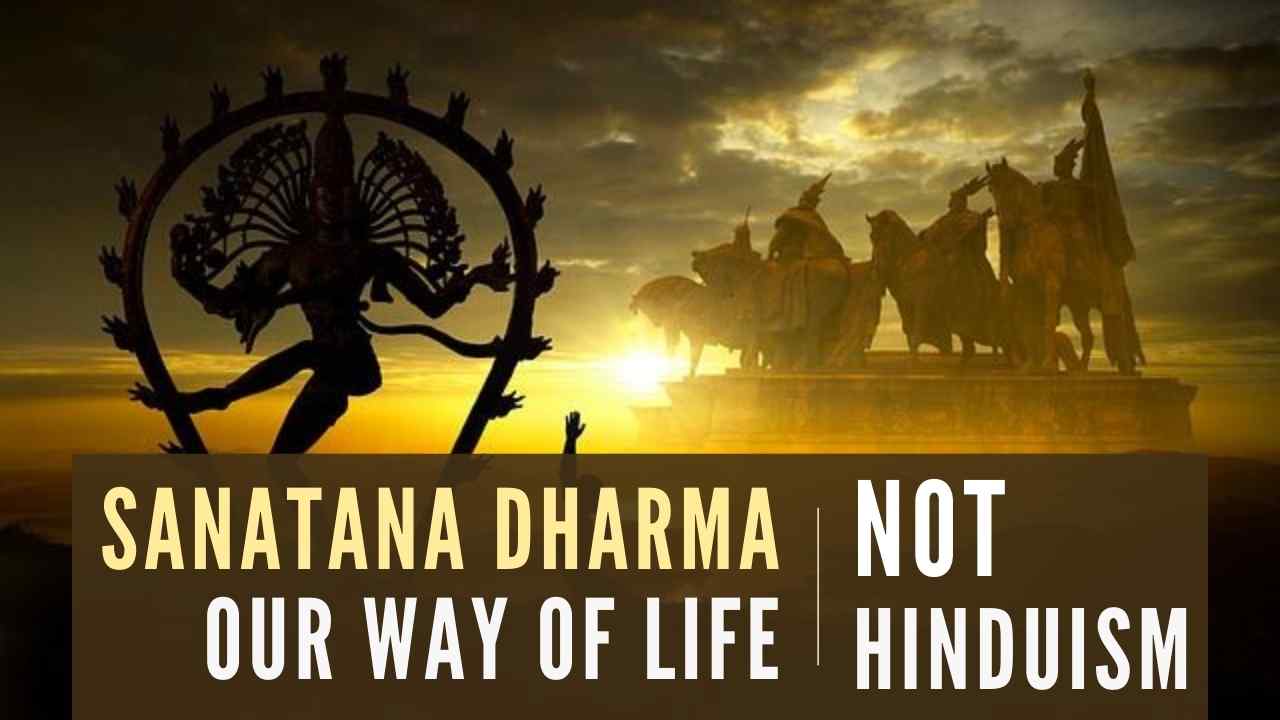
In the vast tapestry of Hindu philosophy, the concept of dharma plays a pivotal role in shaping the understanding of life, death, and the afterlife. Dharma encompasses moral and ethical principles that guide individuals towards spiritual liberation and eventual union with the divine. The Hindu belief system offers profound insights into the nature of death and the journey of the soul after physical departure.
The Nature of Death
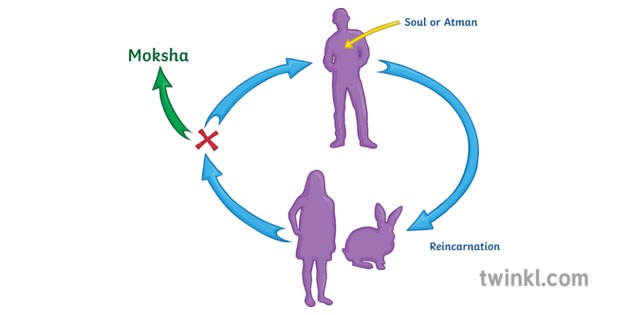
According to Hindu scriptures, death is not an end but rather a transition from one form of existence to another. The physical body is considered a temporary vessel for the immortal soul, the Atman, which is an eternal and unchanging essence. When the body becomes weak or diseased, the Atman separates and embarks on its journey towards the afterlife.
The Law of Karma
The concept of karma is central to Hindu beliefs about death and the afterlife. Karma refers to the actions and intentions of an individual that shape their destiny. A person’s actions in this life determine the circumstances and experiences they will encounter in future births. Good deeds lead to positive outcomes, while negative actions result in suffering and challenges.
The Afterlife
Hindu scriptures describe multiple realms of existence after death. The specific destination of the soul depends on its karma and spiritual development. Some souls are reborn into new bodies on Earth to continue their journey towards liberation. Others enter higher realms of existence, such as Swarga (heaven) or Brahmaloka (the realm of Brahman, the ultimate reality).
For those who have not yet attained spiritual enlightenment, the afterlife may involve periods of suffering and purification. The Bhagavad Gita, a sacred Hindu text, mentions that souls may experience “hell” or “heaven” based on their actions. However, these states are not permanent and serve as temporary abodes until the soul is ready to resume its evolutionary journey.
Ancestor Worship and Rituals
Hindus believe that the souls of departed loved ones continue to exist in a subtle realm. They pay homage to their ancestors through rituals and offerings, such as Shraddha and Pitru Paksha. These practices are believed to honor the deceased and facilitate their spiritual progress.
Spiritual Liberation
The ultimate goal of Hindu spirituality is to achieve moksha, or liberation from the cycle of birth and death. Moksha is attained through spiritual practices, selfless acts, and the realization of the true nature of the self. When a soul achieves moksha, it becomes united with Brahman and experiences eternal bliss.
Conclusion
Hindu beliefs about death and the afterlife offer a nuanced and profound perspective on human existence. Death is not seen as an end but rather a transformation that leads to the evolution of the soul. The concept of karma and the law of reincarnation shape the understanding of destiny and provide an incentive for spiritual growth. Through ancestor worship, rituals, and spiritual practices, Hindus honor their departed loved ones and seek to facilitate their journey towards liberation. The ultimate goal of Hinduism is to transcend the limitations of physical existence and attain eternal union with the divine.## Dharma And The Afterlife: Insights Into The Hindu Spiritual Beliefs Surrounding Death
Executive Summary
Dharma, the core ethical and moral principles in Hinduism, plays a pivotal role in shaping beliefs about the afterlife and reincarnation. This article explores the intricate relationship between dharma, death, and the journey of the soul. It examines various subtopics, including karma, the law of cause and effect; the concept of transmigration; the role of rituals and ceremonies; the significance of pitr loka and preta loka; and the ultimate goal of moksha.
Introduction
Hinduism, one of the oldest and most complex religions in the world, offers a profound perspective on the afterlife and the journey of the soul after death. Rooted in the concept of dharma, the code of righteous living, Hindu beliefs about the afterlife are intricately woven into the fabric of daily life and spiritual practices.
FAQs
- What is the role of dharma in determining the afterlife?
Dharma, the ethical and moral principles, influences the quality of one’s life, actions, and intentions, which in turn shape their karma and subsequent afterlife experiences. - What is karma and how does it affect the afterlife?
Karma is the universal law of cause and effect. Our actions, thoughts, and words create karmic imprints that determine the nature of our experiences in this life and subsequent lives. - What is the concept of reincarnation in Hinduism?
Reincarnation is the belief that the soul transmigrates through multiple lives, evolving through experiences and striving towards moksha, liberation from the cycle of birth and death.
Karma And The Afterlife
- Karma is the central tenet that governs the afterlife in Hinduism.
- Actions, thoughts, and intentions create karmic imprints that determine the nature of current and future experiences.
- Positive karma leads to favorable experiences, while negative karma brings challenges and difficulties.
Transmigration Of The Soul
- Reincarnation is the belief that the soul transmigrates through multiple lives.
- The type of life one is born into is determined by their past karma.
- The soul evolves through experiences, learning lessons and striving towards moksha.
Rituals And Ceremonies
- Rituals and ceremonies play a significant role in the transition to the afterlife.
- Funeral rites ensure the soul’s smooth passage to the next realm.
- Offerings, prayers, and remembrance help guide the departed towards peace and enlightenment.
Pitr Loka And Preta Loka
- Pitr loka is the realm of the departed ancestors, where they await reincarnation.
- Preta loka is a purgatory-like state where those with unresolved karma reside before moving on.
- Rituals and offerings help alleviate suffering in these realms.
Moksha And Liberation
- Moksha is the ultimate goal of Hinduism, the liberation from the cycle of rebirth.
- It is achieved through spiritual practices, ethical living, and the realization of the true self.
- Moksha allows the soul to merge with the divine and experience eternal bliss.
Conclusion
Hindu beliefs about the afterlife are a testament to the intricate and profound spirituality of this ancient religion. Dharma, karma, and transmigration form the cornerstone of these beliefs, emphasizing the importance of ethical living, the law of cause and effect, and the journey of the soul towards enlightenment. Through rituals, ceremonies, and spiritual practices, Hinduism offers a path to navigate the transition to the afterlife and ultimately achieve the liberation of moksha.
Video
Keyword Tags
- Dharma
- Afterlife
- Karma
- Reincarnation
- Moksha