The Divine Chant: Discovering The Spiritual Meaning Of Aum
Introduction
Aum, also known as Om, is a sacred mantra that has been used for centuries in various spiritual traditions, including Hinduism, Buddhism, and Jainism. It is considered to be the primordial sound from which all other sounds and creations emanated. In this article, we will explore the spiritual meaning of Aum and its significance in spiritual practices.
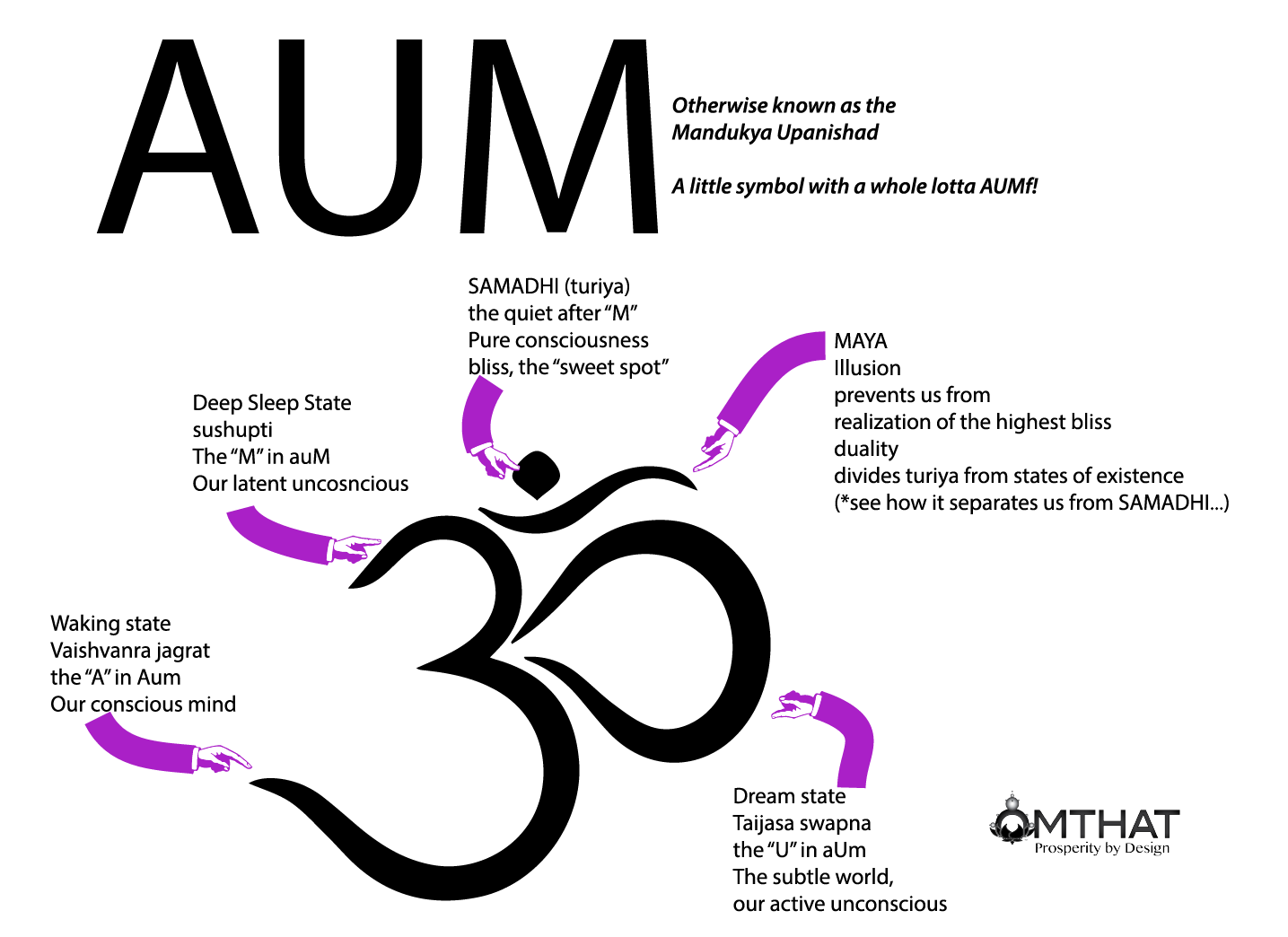
The Three Sounds of Aum
Aum consists of three distinct sounds:
- A (ah): Represents creation and the waking state of consciousness.
- U (oo): Represents preservation and the dream state of consciousness.
- M (mmm): Represents dissolution and the deep sleep state of consciousness.
Together, these three sounds symbolize the entire cycle of existence, from creation to destruction and back to creation again.
Spiritual Meaning of Aum
The spiritual meaning of Aum is vast and multifaceted. Some of the key interpretations include:
- Brahman: Aum represents Brahman, the ultimate reality or consciousness that is beyond all dualities. It is the essence of all that exists.
- Trinity: Aum embodies the Trimurti, the Hindu trinity of Brahma (creator), Vishnu (preserver), and Shiva (destroyer). It represents the three aspects of the divine that manifest in all creation.
- Self: Aum points to the true Self or Atman, which is often represented as a silent sound within. It is the witness consciousness that is beyond the mind and ego.
- Gate to Higher Consciousness: Chanting Aum is believed to cleanse the mind and open the heart, creating a channel for spiritual awakening and connection with the divine.
Significance in Spiritual Practices
Aum holds a central role in many spiritual practices:
- Meditation: Chanting Aum is a common practice in meditation to focus the mind and connect with the inner Self. It helps calm the mind and create a conducive environment for deep contemplation.
- Yoga: In yoga, Aum is often used at the beginning and end of practices, representing the cycle of life and the connection between the individual and the universe.
- Rituals: In many Hindu and Buddhist ceremonies, Aum is chanted as an invocation or blessing. It is believed to purify the environment and attract positive energies.
- Music: Aum is incorporated into many sacred songs and chants, adding a spiritual dimension to musical performances.
Conclusion
Aum is a powerful and versatile mantra that carries deep spiritual significance. It represents creation, preservation, and dissolution, the Trinity, the Self, and the gateway to higher consciousness. Through its use in spiritual practices, Aum helps practitioners connect with their inner selves, cultivate a meditative state, and experience a sense of unity with the divine. By exploring the spiritual meaning of Aum, we can deepen our understanding of ourselves and our place in the universe.## The Divine Chant: Discovering The Spiritual Meaning Of Aum
Executive Summary
The primordial sound of AUM holds immense spiritual significance in various ancient traditions, particularly Hinduism and Buddhism. This article delves into the origin, symbolism, and profound meaning of this sacred chant, exploring its transformative power and its ability to connect practitioners with the divine.
Introduction
Throughout history, humans have sought spiritual enlightenment through various practices, and the chanting of sacred syllables has played a pivotal role in this quest. Among these syllables, AUM stands out as one of the most potent and universally recognized. In this article, we will uncover the rich tapestry of meanings and practices associated with the divine chant of AUM.
FAQs
What is the origin of the chant AUM?
AUM is believed to originate from the ancient Vedic texts, particularly the Upanishads. In Sanskrit, the word AUM (ॐ) is written as a single symbol, representing the three primary sounds of speech: “a”, “u”, and “m”.
What does AUM represent?
AUM symbolizes the three worlds: the physical world, the mental world, and the spiritual world. It also represents the three main deities in Hinduism: Brahma (the creator), Vishnu (the preserver), and Shiva (the destroyer).
How is AUM chanted?
The chant of AUM is typically uttered with a prolonged sound, starting with a deep “a”, smoothly transitioning into a rounded “u”, and ending with a resonant “m”. This sequence can be repeated multiple times, creating a powerful mantra.
Subtopics
The Creation of the Universe:
AUM is considered the primordial sound that brought the universe into existence. It is believed that the vibration of AUM gave rise to the elements, the planets, and all forms of life.
- The Big Bang Theory: Scientists have theorized that the universe began with a single point of infinite energy that exploded, creating all matter and energy. Many spiritual traditions see parallels between this scientific theory and the concept of AUM as the source of creation.
- The hum of the universe: Recent scientific discoveries have revealed a faint hum in the background radiation of the universe, known as the cosmic microwave background. Some researchers speculate that this hum may be a remnant of the original vibration of AUM.
- The power of sound: Sound has been shown to have a profound impact on matter and consciousness. AUM, as a powerful sound vibration, is believed to resonate deeply with the fabric of reality and influence its very nature.
The Trinity of AUM:
AUM embodies the three worlds and the three main deities of Hinduism. Each sound represents a different aspect of the divine:
- “A”: Brahma, the creator, represents the physical world and the waking state of consciousness.
- “U”: Vishnu, the preserver, represents the mental world and the dream state of consciousness.
- “M”: Shiva, the destroyer, represents the spiritual world and the deep sleep state of consciousness.
Spiritual Transformation:
The chanting of AUM is believed to have transformative effects on the individual:
- Purification: AUM is said to purify the mind, body, and spirit, removing negative energies and promoting inner peace and clarity.
- Connection: Chanting AUM is seen as a way to connect with the divine and experience a sense of oneness with the universe.
- Expansion: AUM is believed to expand consciousness and awaken the higher self, leading to a deeper understanding of reality.
- Enlightenment: The ultimate goal of chanting AUM is to achieve spiritual enlightenment, a state of complete and boundless awareness.
The Power of Mantra:
AUM is a potent mantra, a sacred sound that is repeated to induce a specific mental state:
- Repetition: The repetitive chanting of AUM helps to quiet the mind, focus attention, and create a meditative state.
- Resonance: The vibration of AUM resonates with the subtle energy centers in the body, known as chakras, promoting balance and well-being.
- Intention: The intention behind chanting AUM plays a crucial role in its effectiveness. Whether chanted for purification, connection, or enlightenment, the specific intention guides the transformative power of the mantra.
Practical Applications of AUM:
In addition to its spiritual significance, AUM also has practical applications:
- Meditation: AUM is widely used as a meditation technique to calm the mind, deepen focus, and enhance self-awareness.
- Yoga: Chanting AUM is often incorporated into yoga practice, particularly during pranayama (breath control) exercises.
- Healing: The vibrational energy of AUM is believed to have healing properties, promoting physical and emotional well-being.
- Ceremonies: AUM is often chanted during religious ceremonies, rituals, and special occasions, creating a sacred and devotional atmosphere.
Conclusion
The chant of AUM is a profound and multifaceted spiritual practice with a rich history and deep significance. Its symbolism, transformative power, and practical applications continue to resonate with seekers of enlightenment and spiritual growth. By delving into the divine chant of AUM, we open ourselves to the possibility of connecting with the divine, expanding our consciousness, and experiencing the transformative journey towards inner awakening.
Keyword Tags
- AUM
- Sacred Chant
- Vedic Symbol
- Spiritual Meaning
- Meditation