

Seva: The Power of Selfless Service
Seva, a Sanskrit word meaning “selfless service,” is a core concept in many religions and spiritual traditions. It involves performing actions for the benefit of others without expecting anything in return. Seva can take many forms, from volunteering at a local soup kitchen to providing financial assistance to those in need.
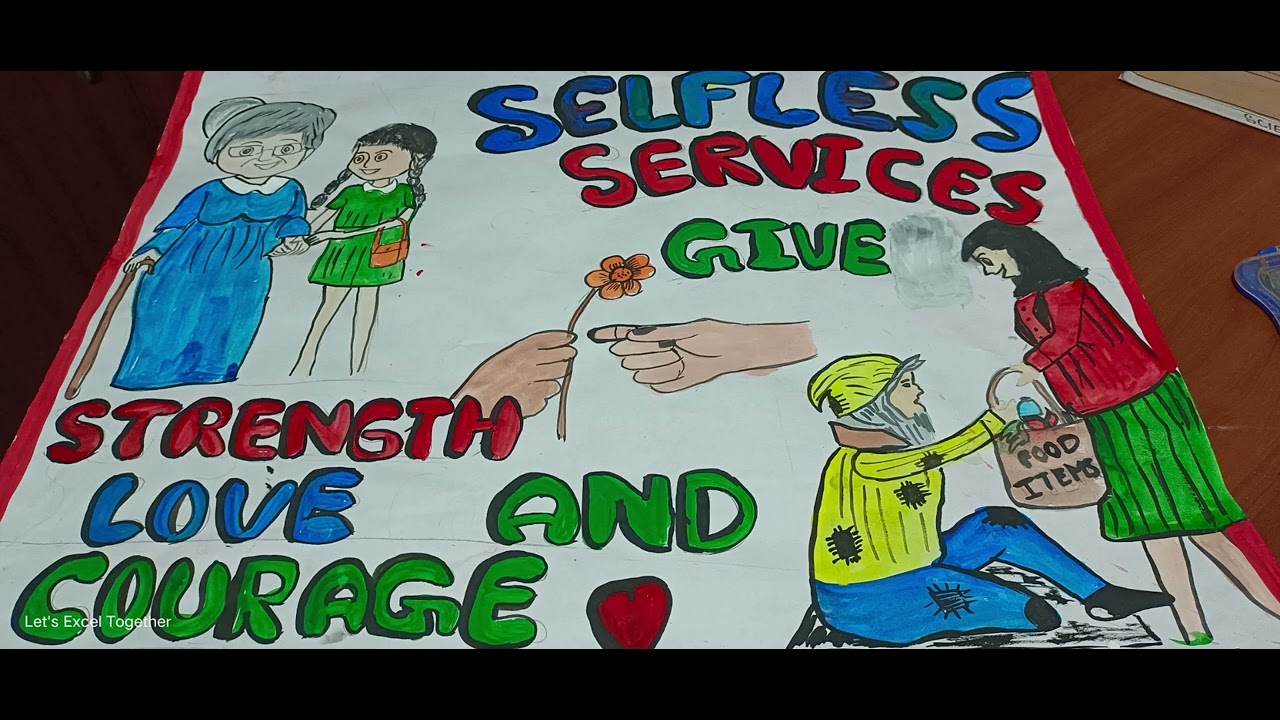
Personal Transformation Through Seva
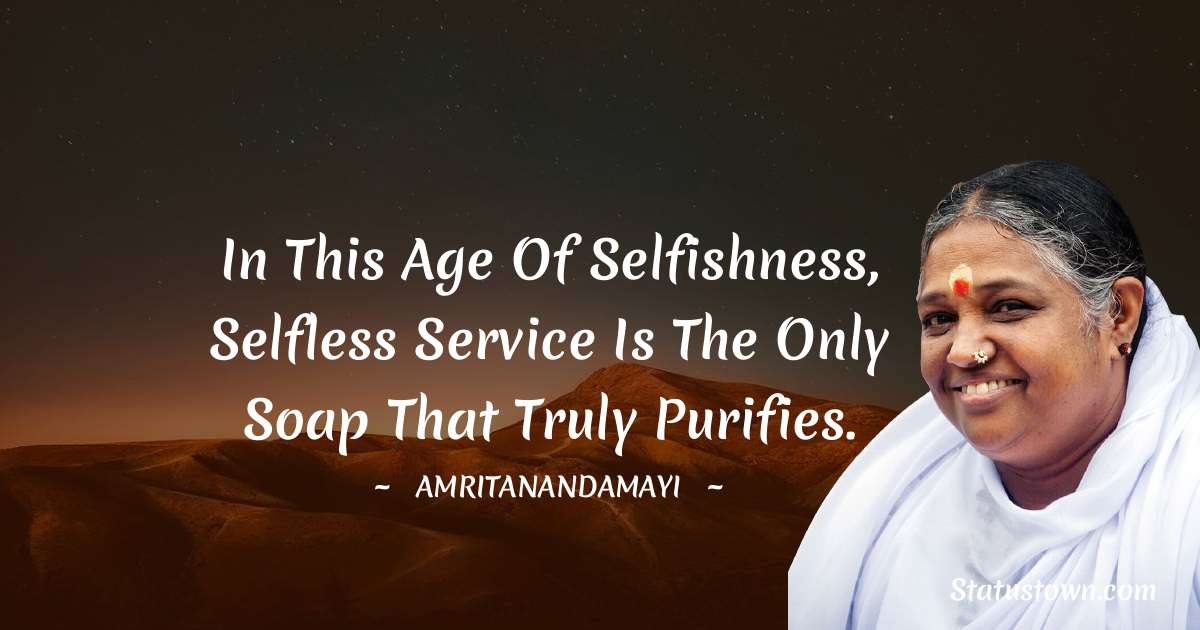
Engaging in Seva can have a profoundly transformative effect on both the giver and the receiver.
For the giver, Seva fosters a sense of purpose and fulfillment. By helping others, we not only contribute to the well-being of society but also cultivate compassion and empathy within ourselves. Acts of Seva can help us overcome our own self-centeredness and develop a greater sense of interconnectedness with all beings.
Social Transformation Through Seva
Seva has the power to bring about positive social change. When people come together to serve their communities, they build bridges between different groups, foster understanding, and create a more just and equitable society. Seva can address a wide range of social issues, such as poverty, hunger, homelessness, and environmental degradation.
By working together to solve problems, communities can develop a sense of shared responsibility and create lasting solutions.
Examples of Seva in Action
Throughout history, countless individuals have dedicated their lives to serving others through Seva. Some notable examples include:
- Mahatma Gandhi, who led the Indian independence movement while practicing nonviolence and advocating for social justice.
- Mother Teresa, who founded the Missionaries of Charity to care for the poor and sick in Calcutta.
- Martin Luther King Jr., who fought for civil rights in the United States through peaceful protests and nonviolent resistance.
In Conclusion
Seva is a powerful force for good in the world. It transforms individuals by fostering compassion, empathy, and a sense of purpose. It transforms societies by addressing social issues, building bridges between communities, and creating a more just and equitable world. By embracing the spirit of Seva, we can make a lasting difference in the lives of ourselves and others.## “How Seva Transforms Lives: The Power of Selfless Service”
Executive Summary
Seva, the Sanskrit word for selfless service, holds immense power to transform lives. By engaging in acts of compassion and generosity, individuals not only uplift others but also experience profound personal growth and fulfillment. This article explores the transformative impact of Seva, its benefits, and practical ways to incorporate it into one’s life.
Introduction
In today’s rapidly evolving world, where self-interest often takes precedence, Seva stands as a beacon of hope. It is a powerful force that has the capacity to bridge societal divides, foster empathy, and inspire collective well-being. By embracing the principles of Seva, we unlock a path to a more meaningful and fulfilling existence.
FAQs
1. What is the difference between Seva and charity?
Seva goes beyond traditional acts of charity. It is not merely giving material goods or monetary aid but rather a heartfelt offering of one’s time, skills, and presence. Seva involves a deep connection with the recipient, recognizing their inherent worthiness.
2. How can Seva benefit the giver?
Performing Seva not only helps those in need but also enriches the giver’s life. It cultivates a sense of purpose, boosts self-esteem, and fosters inner peace. By focusing on the well-being of others, we ultimately enhance our own happiness and fulfillment.
3. How can I start practicing Seva in my daily life?
Seva can be incorporated into everyday life in countless ways. From simple acts of kindness such as holding the door open for a stranger to volunteering at a local food bank, every gesture of compassion makes a difference.
Top 5 Subtopics
1. The Transformative Power of Compassion
Compassion is the foundation of Seva. It is the ability to empathize with others’ suffering and to act in a way that alleviates their pain. Compassionate acts, large or small, have a ripple effect, fostering a sense of interconnectedness and unity.
- Recognizing the inherent worthiness of all beings: Seva acknowledges the dignity and value of every individual, irrespective of their circumstances.
- Cultivating empathy and understanding: By putting ourselves in the shoes of others, we develop a deeper understanding of their experiences and needs.
- Responding with kindness and support: Compassion translates into tangible actions that provide relief and comfort to those in need.
2. The Importance of Selflessness
Selflessness is the cornerstone of Seva. It requires setting aside our own desires and ego to focus solely on the well-being of others. By practicing selflessness, we learn to transcend our limitations and experience the true joy of giving.
- Letting go of attachments: Seva involves releasing our attachment to outcomes and expectations.
- Developing a humble and grateful attitude: Selflessness fosters humility and gratitude, leading to a greater appreciation for the blessings in our own lives.
- Cultivating inner peace: By prioritizing the needs of others, we find inner peace and contentment.
3. The Benefits of Volunteering
Volunteering is a tangible way to engage in Seva. By dedicating time and energy to a cause we care about, we not only support the organization but also expand our horizons and make a real difference.
- Developing valuable skills and knowledge: Volunteering provides opportunities to learn new skills and gain valuable experience.
- Building relationships and connections: Working alongside others on a shared mission fosters meaningful relationships and a sense of community.
- Finding purpose and fulfillment: Volunteering allows us to make a tangible contribution to society and find deeper meaning in our lives.
4. Seva in Healthcare
Seva plays a crucial role in healthcare, providing compassionate care and support to patients and their families. Healthcare professionals who embody the principles of Seva go beyond treating illnesses to truly healing the whole person.
- Providing holistic and compassionate care: Seva-oriented healthcare focuses on the well-being of the entire individual, not just their physical symptoms.
- Treating patients with dignity and respect: Seva recognizes the inherent worthiness of every patient, treating them with compassion and understanding.
- Engaging families and communities: Seva extends beyond the individual patient, encompassing their family and the wider community.
5. Seva in Education
Seva transforms education by fostering a culture of empathy, inclusivity, and social responsibility. Educators who embrace Seva inspire students to become compassionate and engaged citizens.
- Creating a safe and supportive learning environment: Seva-oriented educators create a classroom climate where students feel valued and supported.
- Promoting diversity and inclusion: Seva acknowledges the unique worth and experiences of all students, regardless of their background.
- Encouraging critical thinking and empathy: Seva-based education encourages students to question societal norms and develop a deep understanding of others’ perspectives.
Conclusion
Seva is a transformative force that empowers individuals to make a positive impact on the world. By embracing its principles, we cultivate compassion, selflessness, and a deep connection to others. Through acts of Seva, we nejen only uplift those around us but also find profound personal growth, fulfillment, and happiness. Let us all strive to live a life imbued with the power of Seva, transforming our communities and the world one act of kindness at a time.
Keyword Tags
- Seva
- Selfless Service
- Compassion
- Volunteering
- Transformative Impact