Hinduism for Kids: Engaging Activities to Spark Curiosity in Young Minds
Hinduism, one of the world’s oldest religions, is rich in stories, beliefs, and traditions. Here are some engaging activities designed to introduce kids to the wonders of Hinduism in a fun and interactive way:
1. Mythological Storytelling:
- Gather your kids and immerse them in the enchanting tales of Hindu mythology.
- Choose stories like the Ramayana or the Mahabharata, which are full of adventure, heroism, and life lessons.
- Use vivid language, sound effects, and props to bring the stories to life.
2. Temple Exploration:
- Visit a local Hindu temple with your kids.
- Observe the beautiful architecture, intricate sculptures, and serene atmosphere.
- Explain the different deities and their significance in Hindu belief.
- Encourage your kids to ask questions and explore their curiosity.
3. Rangoli Creation:
- Introduce your kids to the art of Rangoli, colorful patterns made with colored powder.
- Provide them with stencils or let them create their own designs.
- Use different colors and textures to bring their creations to life.
- Explain the auspicious significance of Rangolis in Hindu festivals.
4. Diya Painting:
- Diyas, traditional oil lamps, hold a special place in Hindu rituals.
- Provide your kids with diyas and let them decorate them with paint, glitter, or other materials.
- Encourage them to create intricate designs or write meaningful messages.
5. Diwali Celebration:
- Celebrate Diwali, the Festival of Lights, with your kids.
- Explain the significance of the festival and its role in Hindu mythology.
- Engage them in activities like lighting diyas, making fireworks, and sharing sweets.
6. Yoga and Meditation:
- Introduce your kids to the ancient practice of yoga and meditation.
- Start with simple poses and breathing exercises that are suitable for their age.
- Explain the benefits of yoga and meditation for both the body and the mind.
7. Sanskrit Fun:
- Teach your kids basic Sanskrit words and phrases related to Hinduism.
- Use interactive games or flashcards to make learning playful.
- Introduce them to the Devanagari script and let them try writing their names.
8. Festivals and Traditions:
- Discuss the different festivals and traditions observed in Hinduism.
- Explain their significance and how they are celebrated.
- Encourage your kids to participate in festivals and experience the vibrant Hindu culture firsthand.
9. Hindu History and Culture:
- Engage your kids in interactive discussions about Hindu history and culture.
- Share interesting facts, show them documentaries, or read books together.
- Foster their understanding and appreciation for the rich heritage of Hinduism.
10. Arts and Crafts:
- Use creative activities to introduce your kids to Hindu symbolism and art.
- Guide them in making paper cutouts of deities, painting murals depicting Hindu stories, or creating mandalas with colorful materials.
- Allow them to explore their imaginations and express their creativity while learning about Hinduism.
These activities are designed to pique your kids’ curiosity and foster a lifelong appreciation for Hinduism. By engaging their senses and sparking their wonder, you can help them understand and embrace this ancient and vibrant religion.## Hinduism For Kids: Engaging Activities To Spark Curiosity In Young Minds
Executive Summary
Introduce children to the vibrant world of Hinduism through interactive activities that foster curiosity, understanding, and appreciation for one of the oldest and most diverse religions in the world.
Introduction
Hinduism, a rich tapestry of beliefs, practices, and traditions, has captivated the hearts and minds of countless people for centuries. For children, exploring Hinduism can be an enriching experience, unlocking a world of mythology, spirituality, and cultural heritage. This article presents a collection of engaging activities designed to spark curiosity and inspire a lifelong interest in this fascinating religion.
FAQs
-
What is the central belief of Hinduism? Hinduism embraces a diverse range of beliefs and practices, but at its core lies the concept of Brahman, the ultimate reality and source of all existence.
-
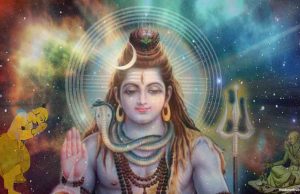
Who are the main deities in Hinduism? The Hindu pantheon is vast and includes countless deities, but some of the most well-known include Brahma (the creator), Vishnu (the preserver), and Shiva (the destroyer).
-
What are the sacred texts of Hinduism? The Vedas, Upanishads, and Bhagavad Gita are among the most important sacred texts in Hinduism, providing insights into its beliefs, practices, and philosophies.
Subtopics
Gods and Goddesses
- The Trinity of Gods: Brahma, Vishnu, and Shiva form the holy trinity, representing creation, preservation, and destruction.
- Other Deities: Hinduism recognizes a vast number of other deities, many of whom embody specific qualities or aspects of the divine.
- Avatars: Avatars are incarnations of deities, such as Rama and Krishna, who descended to Earth to guide and protect humanity.
- Symbolism: Hindu deities are often depicted with intricate symbols and attributes that reveal their powers and characteristics.
- Stories and Legends: Children will be captivated by the vibrant stories and legends surrounding Hindu gods and goddesses.
Holy Scriptures
- The Vedas: These ancient texts form the foundation of Hinduism, containing hymns, rituals, and philosophical teachings.
- The Upanishads: These philosophical treatises explore the nature of Brahman, the soul, and the universe.
- The Bhagavad Gita: A sacred epic poem, the Bhagavad Gita presents a dialogue between Krishna and the warrior Arjuna, offering insights into dharma, karma, and the path to liberation.
- Significance: These scriptures are revered as guiding lights, providing guidance on living a virtuous life and attaining spiritual enlightenment.
- Cultural Impact: The holy scriptures have profoundly influenced Indian culture, art, and literature.
Festivals and Celebrations
- Diwali: The festival of lights symbolizes the victory of good over evil and is celebrated with fireworks, feasts, and diyas (oil lamps).
- Holi: A colorful festival of spring, where people celebrate with music, dance, and the throwing of colored powders.
- Navaratri: A nine-day celebration honoring the goddess Durga, showcasing traditional dances, music, and religious ceremonies.
- Cultural Significance: Festivals are an integral part of Hinduism, fostering community, preserving traditions, and celebrating the divine.
- Educational Value: Exposing children to Hindu festivals provides an opportunity to learn about cultural diversity and respect for different beliefs.
Mythology and Spirituality
- Epic Tales: The Ramayana and Mahabharata are epic poems that narrate the adventures of gods, heroes, and demons, teaching valuable lessons about dharma and morality.
- Karma and Reincarnation: Hinduism emphasizes the concept of karma, where actions have consequences, and the belief in reincarnation, where the soul is reborn into different forms.
- Meditation and Yoga: These practices are considered integral to spiritual growth in Hinduism, helping practitioners cultivate self-awareness, focus, and inner peace.
- Symbolism and Metaphors: Hindu mythology and spirituality are rich in symbolism and metaphors, offering profound insights into the nature of the divine and the human experience.
- Personal Reflection: Exploring mythology and spirituality encourages children to ask questions, reflect on their own beliefs, and cultivate a sense of wonder.
Rituals and Practices
- Puja: A daily ritual of worship, where devotees offer prayers, flowers, and food to deities.
- Yagnas: Elaborate fire rituals performed to invoke divine blessings and express gratitude.
- Pilgrimage: Visiting holy sites, such as the Ganges River or the temple of Kashi Vishwanath, is considered a sacred journey for purification and spiritual growth.
- Symbolism and Meaning: Rituals and practices in Hinduism are imbued with symbolic meanings, connecting devotees to the divine and fostering a sense of community.
- Cultural Preservation: These practices play a vital role in preserving Hindu traditions and passing them down to future generations.
Conclusion
Hinduism is a vibrant and multifaceted religion that has enriched the lives of countless people for millennia. By engaging children in interactive activities that explore its beliefs, practices, and mythology, we can spark a lifelong curiosity and appreciation for this ancient and enduring tradition. Let us provide them with the tools to navigate the world with a deep understanding of its diverse cultures and spiritual beliefs.
Keyword Tags
- Hinduism for Kids
- Hindu Beliefs for Children
- Hindu Deities and Goddesses
- Hindu Festivals and Celebrations
- Hindu Mythology for Young Minds