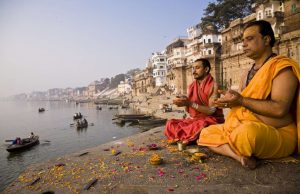
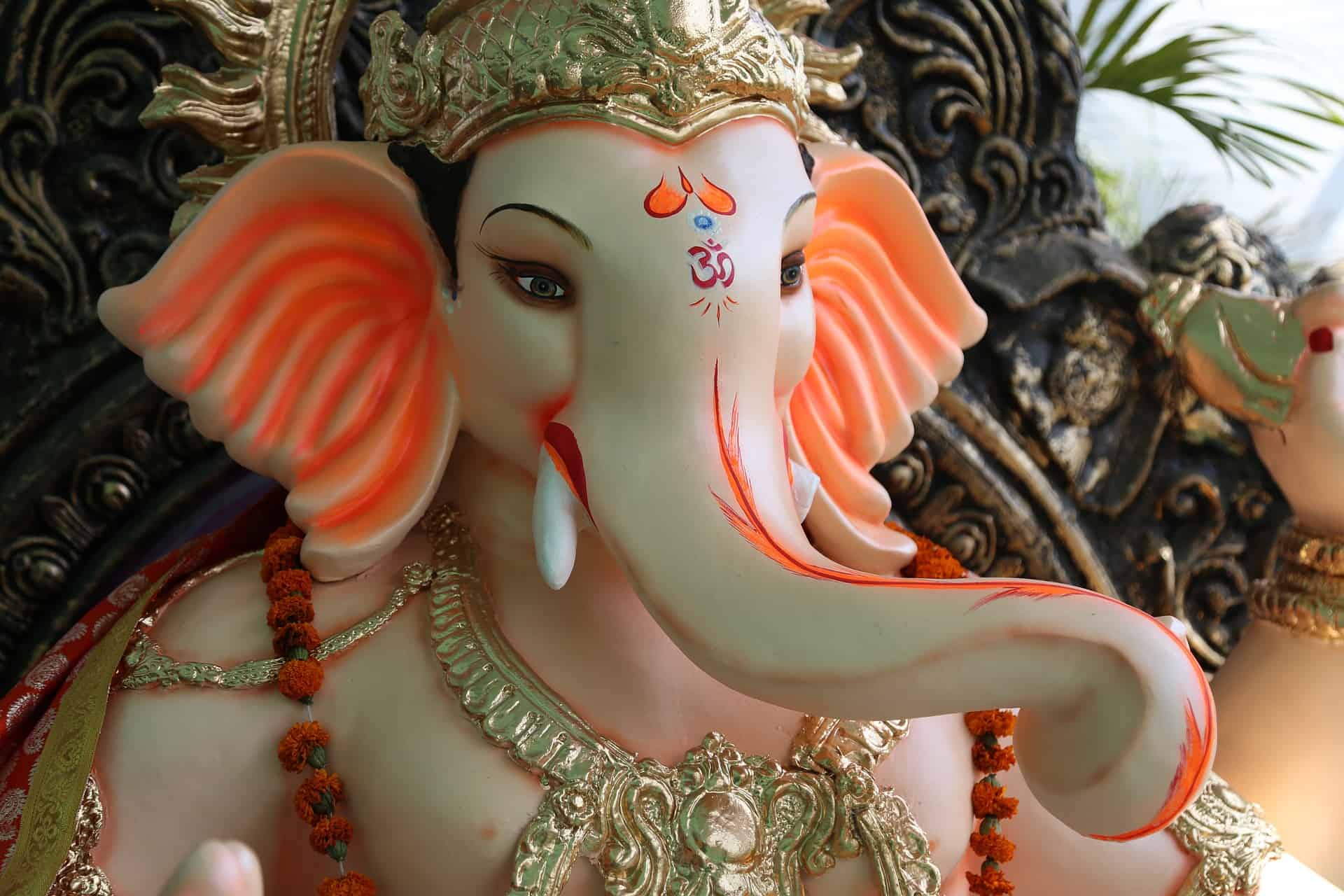
Hinduism & Mindfulness: Cultivating Inner Peace Through Ancient Practices
Hinduism, an ancient and diverse religion with a rich spiritual tradition, offers profound insights and practices for cultivating inner peace and mindfulness. Mindfulness, a cornerstone of Buddhist meditation, is also deeply intertwined with Hindu teachings, providing a path to inner tranquility and self-awareness. This article explores the convergence of Hinduism and mindfulness, highlighting key practices and principles that can guide individuals toward a more peaceful and present-centered life.
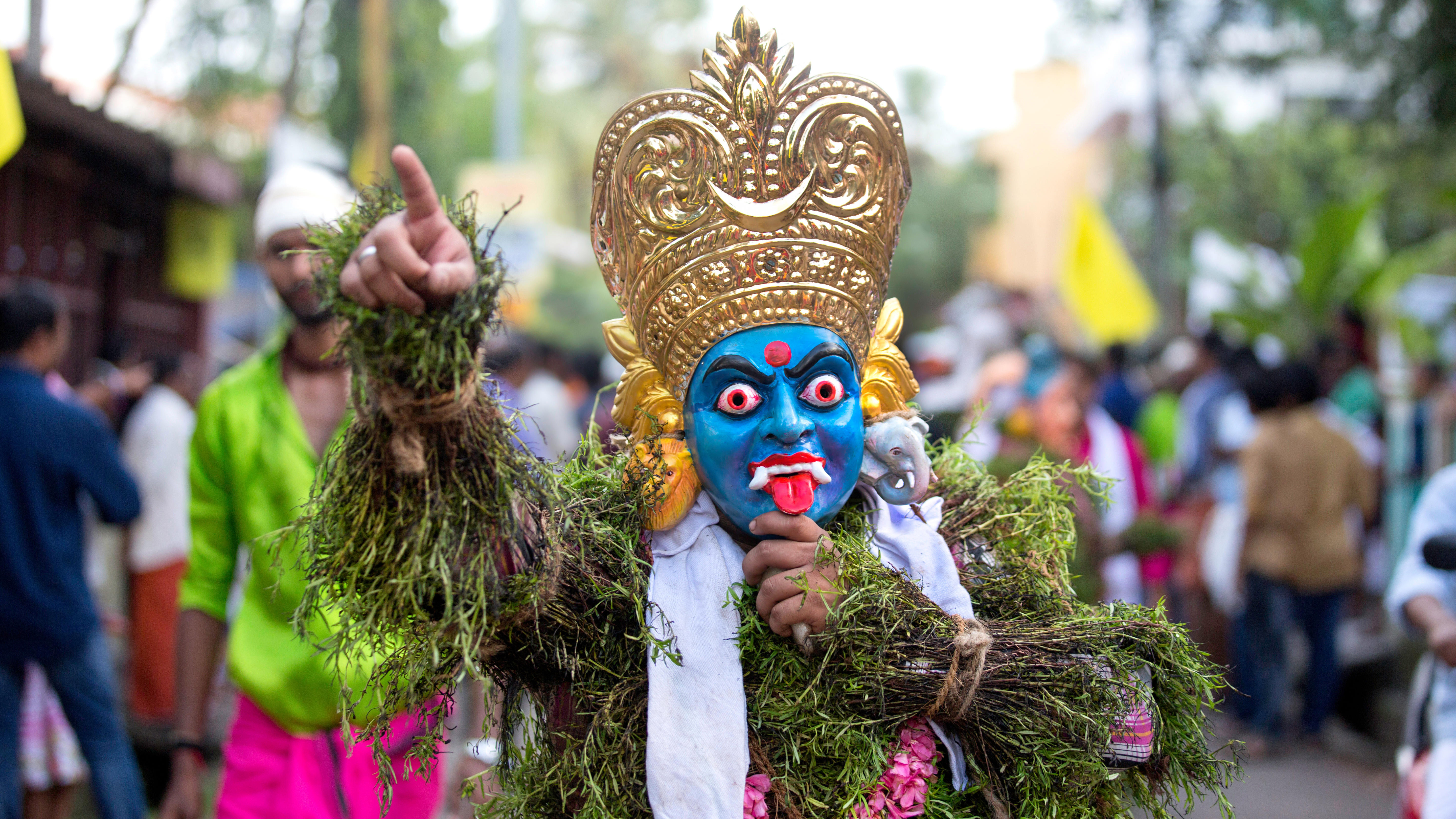
1. Introspection and Self-Inquiry

Hinduism emphasizes the importance of introspection and self-inquiry, encouraging individuals to delve into their inner thoughts, emotions, and motivations. Practices like yoga and meditation provide a space for self-reflection, allowing individuals to observe their mental patterns and cultivate greater self-awareness. Through this process, they can identify and address the root causes of stress and anxiety, fostering inner peace.
2. Breath Awareness and Pranayama
Breath awareness is a fundamental aspect of mindfulness in both Hinduism and Buddhism. The practice of pranayama, or yogic breathing exercises, helps regulate the breath and calm the mind. By focusing on the rhythm and flow of their breath, individuals can anchor themselves in the present moment, reducing distractions and promoting a sense of tranquility.
3. Karma and Non-Attachment
Hinduism teaches the principle of karma, which refers to the consequences of our actions. By understanding the relationship between their actions and their future experiences, individuals can cultivate a sense of non-attachment to the outcomes of their endeavors. This detachment fosters inner peace by liberating individuals from the cycle of expectations and disappointments.
4. Gratitude and Acceptance
Hinduism encourages a spirit of gratitude and acceptance. By practicing gratitude, individuals can focus on the positive aspects of their lives, cultivating a sense of contentment and appreciation. Acceptance, on the other hand, helps them embrace the challenges and difficulties that come their way with equanimity, reducing the grip of anxiety and promoting inner peace.
5. Meditation and Mantra
Meditation is a central practice in Hinduism for cultivating inner peace. By quieting the mind and focusing on a specific object, mantra, or breath, practitioners can experience deep states of relaxation and clarity. Mantras, sacred words or phrases, are believed to have transformative power, helping individuals connect with their inner selves and cultivate a sense of peace and well-being.
Integrating Mindfulness into Daily Life
To integrate mindfulness into daily life, individuals can incorporate the following practices:
- Mindful Breathing: Throughout the day, take a few moments to pause and focus on your breath. Notice the rhythm and flow of your inhalations and exhalations.
- Gratitude Journaling: Start a gratitude journal and regularly jot down things you are grateful for. This practice cultivates a positive mindset and promotes inner peace.
- Mindful Walking: When walking, pay attention to the sensations of your feet on the ground. Observe your surroundings mindfully, noticing the sights, sounds, and scents around you.
- Mindful Eating: When eating, savor each bite and engage all your senses. Pay attention to the flavor, texture, and aroma of your food, fostering a present-centered experience.
Conclusion
Hinduism and mindfulness offer a powerful path to cultivating inner peace and well-being. By embracing introspection, breath awareness, non-attachment, gratitude, meditation, and other practices, individuals can develop a more present-centered, peaceful, and fulfilling life. As they journey inward, they can discover the profound teachings of ancient wisdom that guide them toward a life of inner harmony and tranquility.## Hinduism & Mindfulness: Cultivating Inner Peace Through Ancient Practices
Executive Summary
Hinduism, an ancient and profound religion, offers a rich tapestry of practices and teachings that have been passed down through generations. Among these practices, mindfulness holds a central place, providing a path to inner peace and well-being amidst the complexities of life. This article explores the multifaceted connection between Hinduism and mindfulness, shedding light on the contemplative techniques, philosophical insights, and spiritual traditions that have shaped this timeless art.
Introduction
In the midst of the hustle and bustle of modern life, the pursuit of inner peace and tranquility has become an increasingly sought-after endeavor. Hinduism, with its emphasis on introspection, meditation, and yoga, has been a source of profound wisdom and guidance for centuries. By exploring the principles and practices of Hindu mindfulness, we can unlock the transformative power of this ancient tradition and cultivate a life filled with greater peace, clarity, and purpose.
FAQs
1. What is mindfulness in Hinduism?
Mindfulness in Hinduism refers to the practice of intentionally directing attention to the present moment, without judgment or attachment. It encompasses a wide range of techniques, including meditation, breathwork, and yoga, that aim to cultivate a deep sense of awareness and inner stillness.
2. What are the benefits of mindfulness in Hinduism?
Practicing mindfulness in Hinduism has been shown to offer numerous benefits, including:
- Reduced stress and anxiety
- Improved mental clarity and focus
- Increased emotional resilience
- Enhanced self-awareness and empathy
- Deeper connection with the divine
3. How can I incorporate mindfulness into my daily life?
Incorporating mindfulness into daily life can be done through various practices, such as:
- Meditation: Regular meditation sessions allow you to train your mind to stay present and observe thoughts and emotions without judgment.
- Breathwork: Paying attention to your breath throughout the day can bring you back to the present moment and reduce feelings of stress.
- Yoga: The physical postures and breathing techniques of yoga promote relaxation and mindfulness, fostering a deeper mind-body connection.
Key Subtopics
1. Meditation and Mindfulness
Meditation is a cornerstone of Hindu mindfulness. Through various techniques, such as mantra repetition, guided visualization, and breath awareness, meditation allows practitioners to quiet their minds, cultivate inner peace, and connect with the divine.
- Types of Meditation:
- Mantra meditation involves repeating a sacred word or phrase to focus the mind and calm the body.
- Visualization meditation uses mental imagery to create a peaceful and serene state.
- Breathwork meditation focuses on regulating the breath to bring about mental clarity and emotional balance.
2. Yoga and Self-Awareness
Yoga is a holistic practice that integrates physical postures, breathing exercises, and meditation to promote physical and mental well-being. Through yoga, practitioners can cultivate body awareness, enhance flexibility, and increase self-control.
- Benefits of Yoga:
- Improves posture and physical flexibility
- Reduces stress and anxiety
- Enhances self-awareness and body consciousness
- Promotes emotional regulation and resilience
3. Bhakti and Divine Connection
Bhakti, or devotional love, is a central aspect of Hinduism. Through practices such as chanting, singing, and offering prayers, devotees cultivate a deep connection with the divine. Bhakti mindfulness encourages surrender, gratitude, and a sense of belonging to something greater.
- Forms of Bhakti:
- Kirtan: Devotional singing and chanting of sacred texts.
- Bhajan: Spiritual songs expressing love and devotion to the divine.
- Puja: Ritualistic worship and offerings made to deities.
4. Karma and Mindfulness
The concept of karma, or cause and effect, plays a significant role in Hindu mindfulness. By understanding the consequences of our actions, we can become more mindful of our choices and cultivate a sense of responsibility for our own well-being.
- Principles of Karma:
- Every action, thought, and speech creates consequences.
- Intentions and motivations shape the nature of karma.
- Mindful actions can create positive karma and lead to a more fulfilling life.
5. Dharma and Purpose
Dharma, or righteous duty, encourages individuals to live in accordance with their nature and societal norms. By understanding our dharma, we can align our actions with a meaningful purpose and contribute to the greater good.
- Aspects of Dharma:
- Personal dharma: Our unique purpose and responsibilities in life.
- Social dharma: Our obligations to our family, community, and society.
- Universal dharma: The principles that govern all living beings and the universe.
Conclusion
Hinduism and mindfulness are intertwined traditions that offer a profound path to inner peace, self-awareness, and spiritual connection. By embracing the contemplative practices, philosophical insights, and spiritual teachings of Hinduism, we can cultivate a mindful life that is characterized by reduced stress, enhanced clarity, and a deep sense of purpose. Through meditation, yoga, bhakti, karma, and dharma, Hinduism empowers us to navigate the challenges of life with greater resilience, compassion, and a profound sense of well-being.
Keyword Tags
- Hinduism
- Mindfulness
- Meditation
- Yoga
- Inner Peace