From Vedas to Vernaculars: How Languages Shape the Hindu Experience Across India
Introduction:
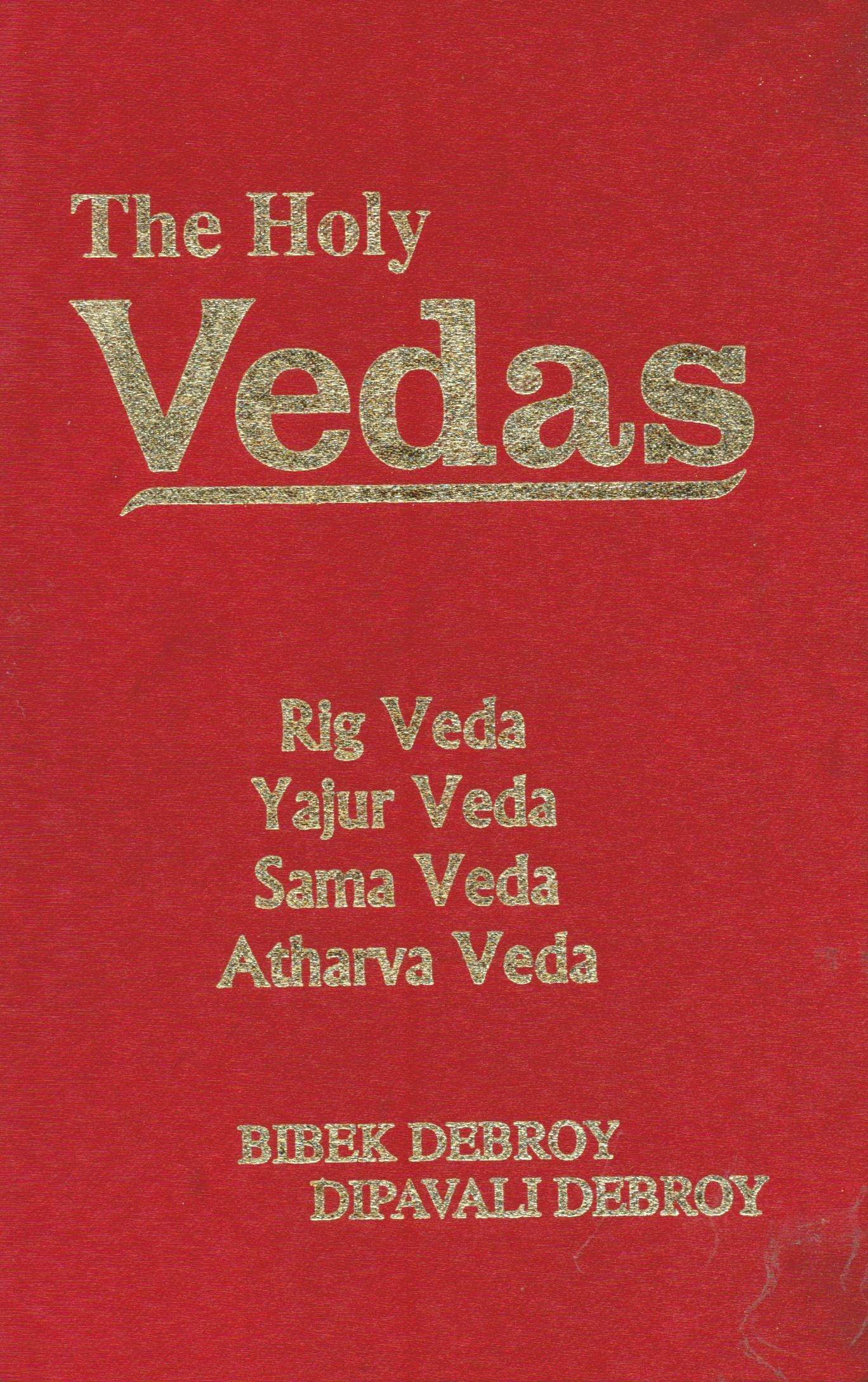
The Hindu tradition encompasses a vast and diverse array of languages. From the ancient Sanskrit of the Vedas to the modern vernaculars spoken throughout the subcontinent, language has played a pivotal role in shaping the Hindu experience. This essay explores the ways in which languages have influenced Hindu beliefs, practices, and cultural identity.
Vedic Sanskrit: The Sacred Language of Hinduism:
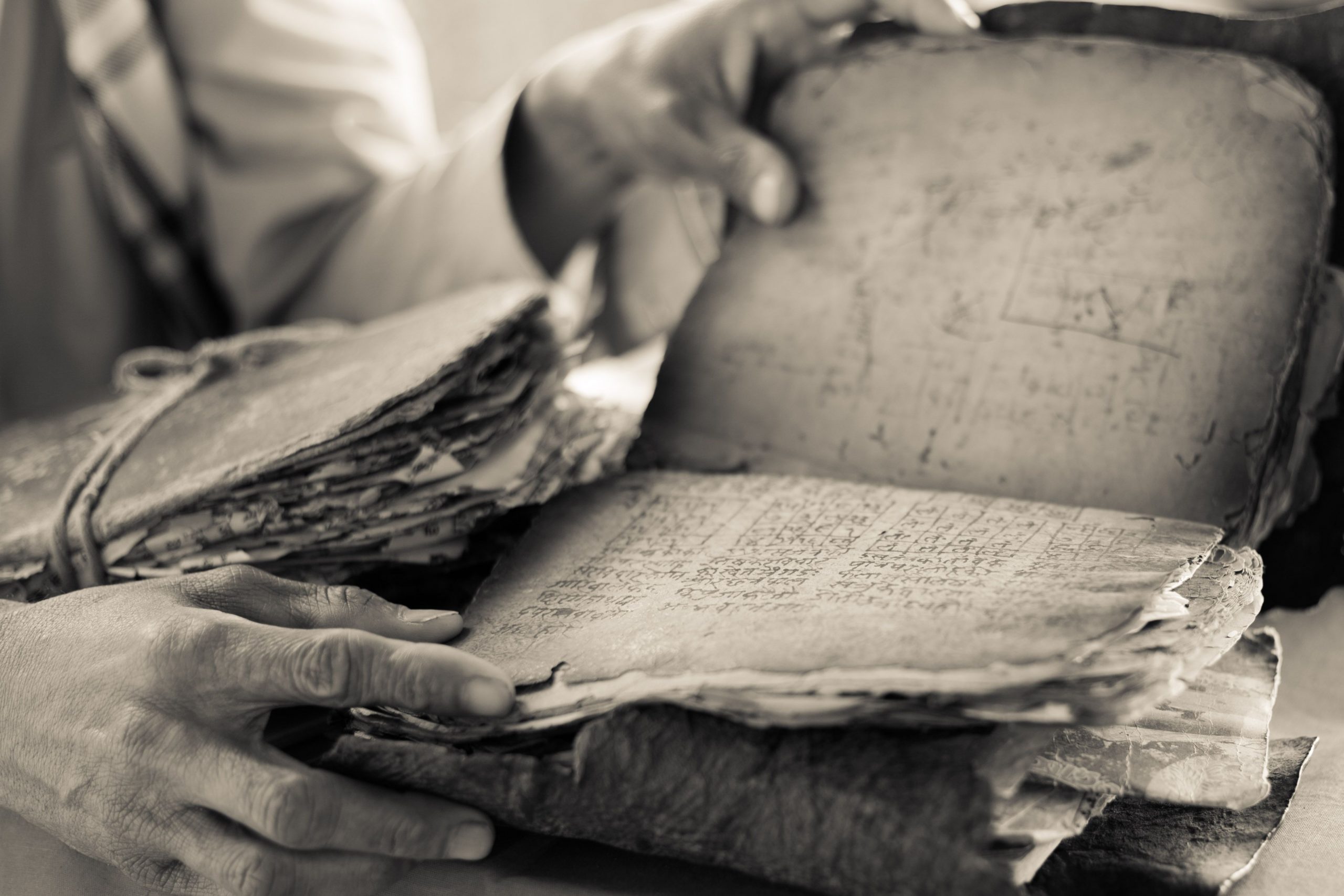
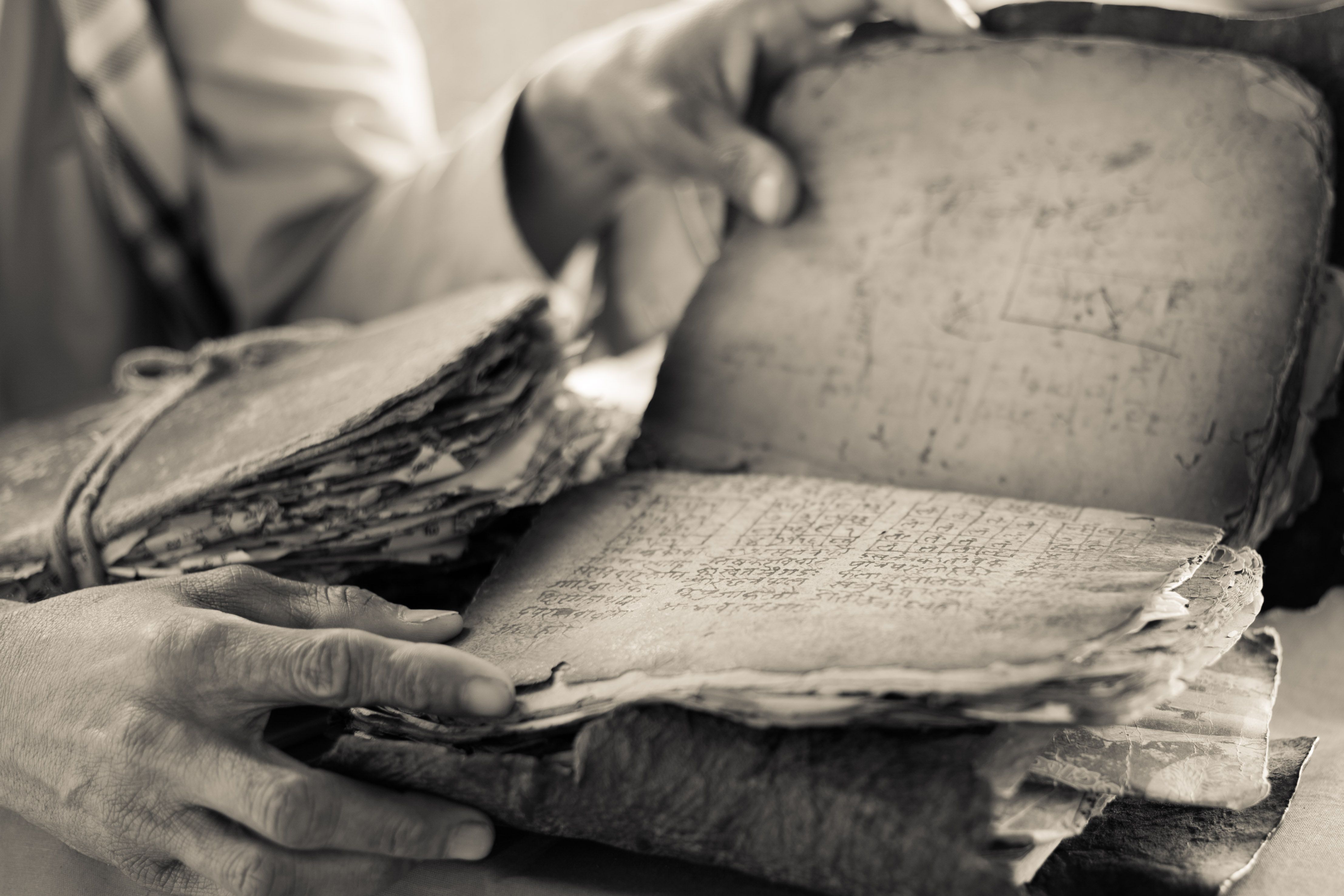
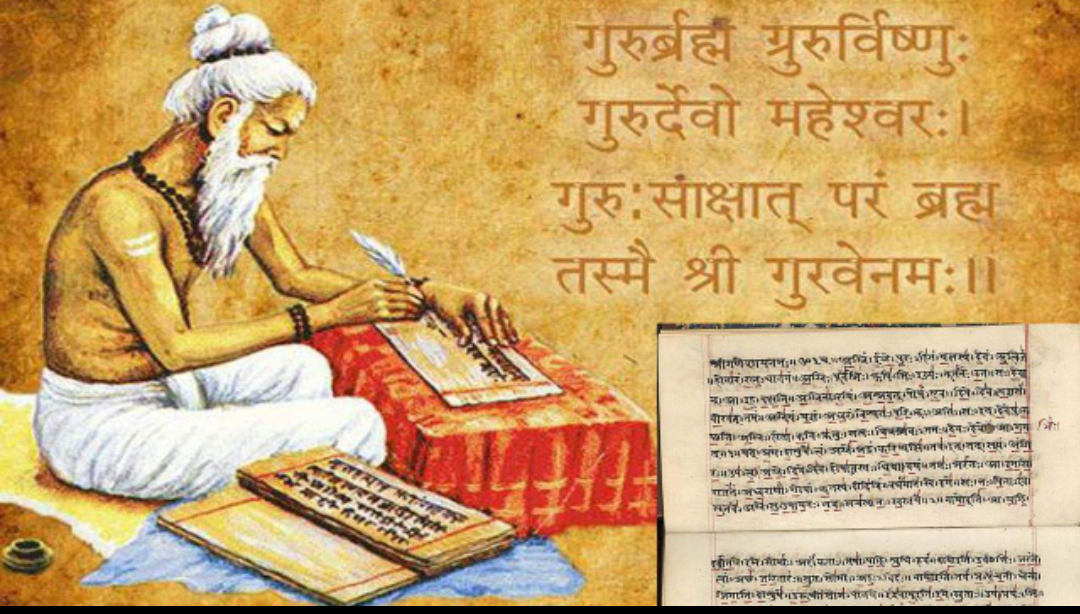
Sanskrit, the ancient Indo-European language of the Vedas, holds a sacred status in Hinduism. The Vedas, considered the foundational texts of the tradition, were composed in Sanskrit. The language is believed to be divine, capable of conveying truths beyond the reach of ordinary speech. Sanskrit has remained a language of ritual, scholarship, and religious expression throughout Hindu history.
Regional Vernaculars: Expressing Local Hinduisms:
Alongside Sanskrit, regional vernaculars have emerged as vibrant vehicles for Hindu expression. From the Prakrit languages of early Indian literature to the modern vernaculars like Hindi, Tamil, and Marathi, these languages have allowed for the expression of local Hindu traditions and perspectives. Vernacular texts have played a crucial role in shaping regional Hindu identities and devotional practices.
Language and Ritual:
Language is intricately tied to Hindu rituals. Mantras, hymns, and prayers are recited in Sanskrit or vernacular languages, each with its own specific purpose and significance. The sound and rhythm of the language are believed to have transformative power, facilitating communication with the divine. Language also influences the performance of rituals, as different regions and communities have their own unique ways of reciting mantras and performing ceremonies.
Language and Belief:
The languages used in Hindu scriptures and rituals have shaped the beliefs and doctrines of the tradition. The concepts of reincarnation, karma, and moksha, for example, are rooted in the Sanskrit vocabulary and grammar. Vernacular languages have also contributed to the development of local beliefs and practices, such as the Bhakti movement in medieval India.
Language and Cultural Identity:
Language plays a central role in the formation of cultural identity. For Hindus, the use of a particular vernacular can be a marker of regional or linguistic affiliation. Vernacular languages have also been used to create literary works, art forms, and cultural traditions that reflect the unique experiences of different Hindu communities.
Conclusion:
The languages of Hinduism, from the sacred Sanskrit of the Vedas to the vernaculars spoken throughout India, have been instrumental in shaping the Hindu experience. They have provided the means for expressing Hindu beliefs and practices, preserving cultural traditions, and fostering a sense of community. The linguistic diversity of Hinduism is a testament to the richness and adaptability of the tradition, allowing for its continued evolution and relevance across time and space.## From Vedas To Vernaculars: How Languages Shape The Hindu Experience Across India
Executive Summary
The Sanskrit language may be the sacred language of Hinduism, but it is not the only one. Across India, Hindus have developed a rich tapestry of languages, each with its own unique history and relationship to the religion.
This article explores the interplay between language and religion in the Hindu context, examining the role of Sanskrit as the language of the sacred texts, the development of vernacular languages as vehicles for Hindu expression and transmission, and the complex and dynamic relationship between these two linguistic traditions.
Introduction
Hinduism is a diverse and multifaceted religion, practiced by people from all walks of life in India. As such, it is not surprising that there is a wide variety of languages used in Hindu worship and practice.
From the ancient Sanskrit of the Vedas to the modern vernaculars of the 21st century, language has played a vital role in shaping the Hindu experience.
FAQs
1. What is the significance of Sanskrit in Hinduism?
Sanskrit is the language of the Vedas, the most sacred texts of Hinduism. It is considered to be a divine language, and it is used in many Hindu rituals and ceremonies.
2. What are some of the vernacular languages used in Hinduism?
There are many vernacular languages used in Hinduism, including Hindi, Tamil, Telugu, Marathi, and Gujarati. These languages are used in everyday life by Hindus, and they are also used in religious ceremonies and texts.
3. How have vernacular languages influenced Hinduism?
Vernacular languages have had a profound influence on Hinduism. They have allowed Hindus to express their religious beliefs and practices in their own languages, and they have helped to create a more inclusive and accessible religion.
Subtopics
1. Sanskrit: The Language of the Sacred
Sanskrit is the oldest language in India, and it is the language of the Vedas, the most sacred texts of Hinduism. It is considered to be a divine language, and it is used in many Hindu rituals and ceremonies.
- Sanskrit is a complex and highly developed language, with a rich vocabulary and a complex grammar.
- It is a tonal language, meaning that the meaning of a word can change depending on the tone of voice used.
- Sanskrit is still used in many Hindu ceremonies and rituals, and it is also studied by scholars of Hinduism.
2. Vernacular Languages: A Medium for Expression
Vernacular languages are the languages that are spoken by the common people of India. They are used in everyday life, and they are also used in religious ceremonies and texts.
- Vernacular languages have played a vital role in the development of Hinduism.
- They have allowed Hindus to express their religious beliefs and practices in their own languages, and they have helped to create a more inclusive and accessible religion.
- Vernacular languages are used in a wide variety of Hindu texts, including devotional songs, stories, and commentaries.
3. The Interplay between Sanskrit and Vernaculars
The relationship between Sanskrit and vernacular languages is a complex and dynamic one.
- Sanskrit is still considered to be the sacred language of Hinduism, but it is not the only language used in the religion.
- Vernacular languages have played a vital role in the development of Hinduism, and they continue to be used in religious ceremonies and texts.
- The interplay between Sanskrit and vernacular languages has created a rich and diverse linguistic landscape in Hinduism.
4. Language and Ritual
Language plays a vital role in Hindu rituals and ceremonies.
- Sanskrit is the language of the Vedas, and it is used in many Hindu rituals and ceremonies.
- Vernacular languages are also used in Hindu rituals and ceremonies, especially in devotional songs and prayers.
- The use of language in Hindu rituals and ceremonies helps to create a sense of sacredness and devotion.
5. Language and Identity
Language is closely tied to identity in India, and this is especially true for Hindus.
- The language that a Hindu speaks is often a reflection of their religious identity.
- For example, a Hindu who speaks Sanskrit is often seen as being more religious than a Hindu who speaks only a vernacular language.
- The use of language can also be a source of conflict in India, as different religious groups often speak different languages.
Conclusion
The relationship between language and religion is a complex and dynamic one, and this is especially true in the context of Hinduism.
From the ancient Sanskrit of the Vedas to the modern vernaculars of the 21st century, language has played a vital role in shaping the Hindu experience.
Keyword Tags
- Hinduism
- India
- Language
- Sanskrit
- Vernaculars