
Rethinking Consumption: How Hinduism Can Help Us Reduce, Reuse, and Recycle More Effectively
Hinduism, one of the world’s oldest and most diverse religions, offers a wealth of guidance on living a sustainable and compassionate life. In recent years, there has been growing interest in how Hindu teachings can help us address the challenges of environmentalism, including reducing consumption and waste.
In the Hindu worldview, all of creation is sacred. Nature and all living things are considered manifestations of the divine, and as such, we have a duty to respect and care for the environment. This principle of reverence for life extends to the way we consume resources.
One of the key concepts in Hinduism is ahimsa, or non-violence. This principle applies not only to our interactions with other living beings, but also to our treatment of the planet. When we consume less and waste less, we are practicing ahimsa by reducing our impact on the environment and its inhabitants.
Another important principle in Hinduism is aparigraha, or non-attachment. This concept encourages us to let go of material possessions and live a more simple and sustainable life. By reducing our consumption of goods, we can reduce our environmental impact and live more in harmony with the natural world.
The Hindu concept of karma teaches us that our actions have consequences. When we consume excessively or wastefully, we create negative karma for ourselves and for future generations. By reducing our consumption and recycling more, we can create positive karma and contribute to a more sustainable future.
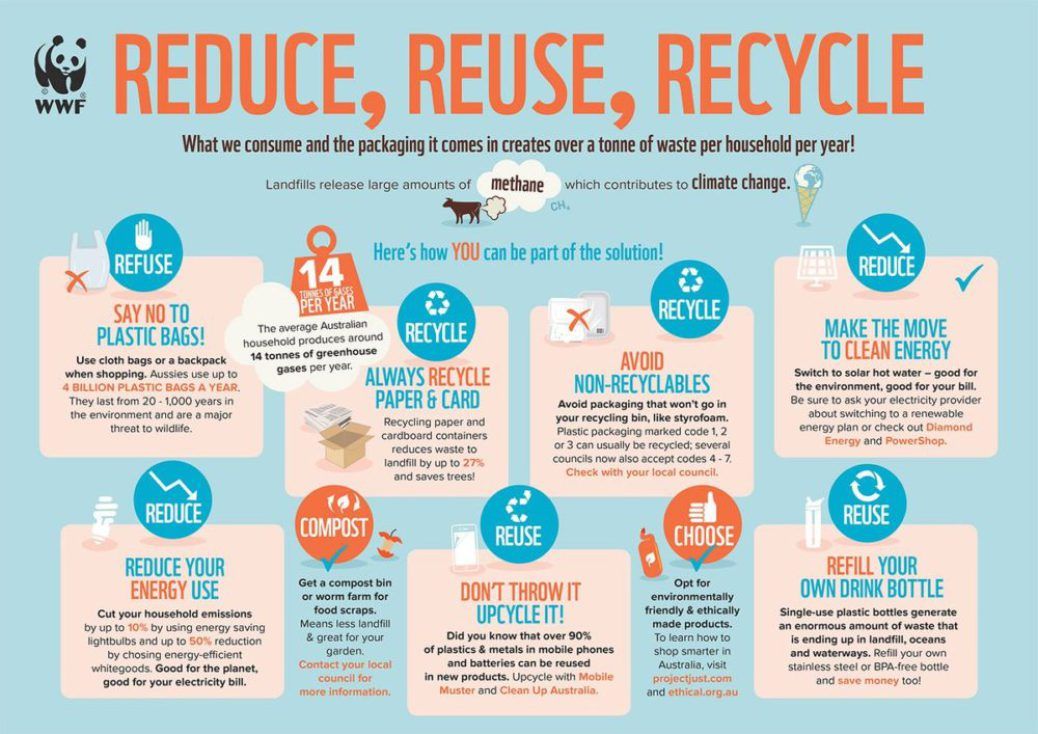
In addition to these ethical principles, Hinduism also offers practical guidance on how to reduce consumption and waste. One important practice is to reduce our dependence on material possessions. This can be done by buying less, borrowing or sharing items with others, and repairing or reusing things instead of throwing them away.
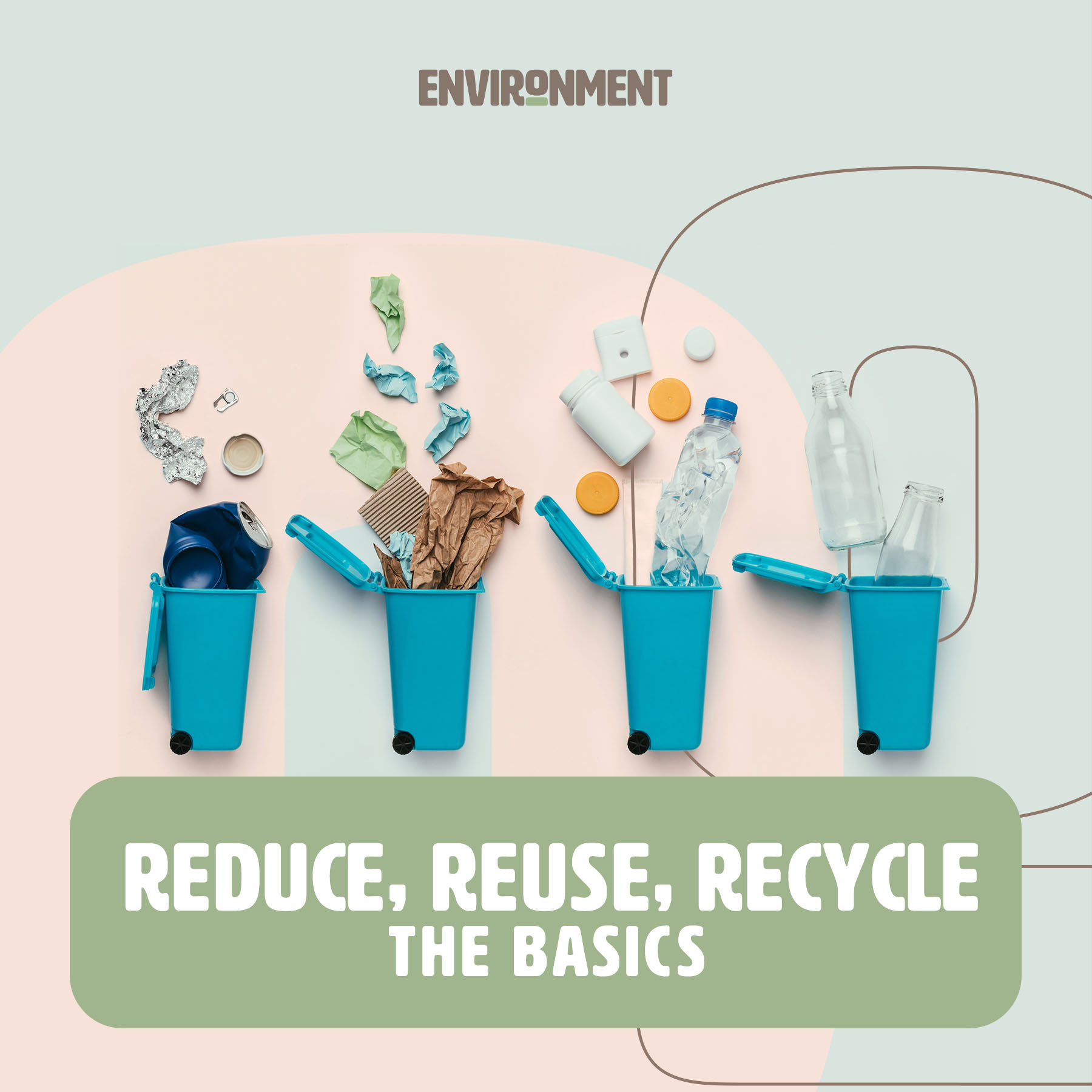
Another important practice is to recycle and compost as much as possible. Recycling helps to reduce waste and conserve resources, while composting helps to turn food scraps and other organic waste into a valuable soil amendment.
By following these Hindu principles and practices, we can reduce our consumption and waste, and live more sustainable and compassionate lives. Here are some specific tips:
- Reduce your consumption of goods. Buy less, borrow or share items with others, and repair or reuse things instead of throwing them away.
- Choose products that are made from sustainable materials and are packaged in recyclable or biodegradable materials.
- Recycle and compost as much as possible.
- Support businesses that are committed to sustainability.
- Educate yourself and others about the importance of reducing consumption and waste.
By making these changes in our lives, we can help to protect the environment, reduce our impact on the planet, and create a more sustainable future for all.## Rethinking Consumption: How Hinduism Can Help Us Reduce, Reuse, And Recycle More Effectively
Executive Summary
Hinduism, an ancient religion with a rich history and tradition, offers valuable insights into sustainable consumption practices. By embracing its principles of non-violence, simplicity, and reverence for nature, we can develop a more mindful and responsible approach to reducing, reusing, and recycling. This article explores the key principles of Hinduism and their relevance to sustainable consumption, providing practical tips and actionable steps for individuals and society as a whole.
Introduction
In an era marked by rampant consumerism and environmental degradation, it is imperative that we reassess our consumption patterns and seek sustainable solutions. Hinduism, with its emphasis on harmony, compassion, and the interconnectedness of all living beings, offers a compelling framework for rethinking consumption and fostering a more sustainable lifestyle.
FAQs
1. What is the concept of ahimsa and how does it relate to consumption?
2. How can the principle of aparigraha help us reduce our consumption?
3. What role does yajna play in fostering a sustainable mindset?
The Principles of Hinduism and Sustainable Consumption
Ahimsa: Non-Violence and Compassion
– Avoids causing harm to any living being, including animals, plants, and the environment.
– Promotes a compassionate and ethical approach to consumption, encouraging the choice of products and practices that minimize harm.
– Extends to the responsible disposal of waste and the avoidance of products that contribute to animal suffering or environmental degradation.
Aparigraha: Non-Attachment and Simple Living
– Renounces excessive accumulation of material possessions.
– Encourages contentment, gratitude, and a focus on experiences rather than possessions.
– Leads to a reduced consumption footprint and a more sustainable lifestyle.
– Promotes reuse and repair as means of extending the life of物品.
Yajna: Sacrifice and Gratitude
– Refers to the ritual offering of a portion of one’s possessions or resources.
– Symbolizes gratitude, humility, and the recognition of the interconnectedness of all beings.
– Encourages responsible consumption and discourages waste.
– Promotes a mindset of sharing and giving, fostering a sense of community and collective well-being.
Karma: Intentional Consumption and Responsibility
– Emphasizes the ethical and environmental consequences of our actions.
– Encourages mindful consumption, considering the impact of our choices on future generations and the planet.
– Promotes responsible waste management and encourages the adoption of sustainable practices.
– Fosters a sense of accountability and a commitment to minimizing our ecological footprint.
Dharma: Purposeful Consumption and Right Livelihood
– Relates to the concept of righteous action and fulfilling one’s purpose in life.
– Guides consumption choices towards products and services that align with our values and contribute to the well-being of others.
– Encourages the support of local businesses, fair trade practices, and sustainable industries.
– Promotes a sense of purpose and fulfillment in consumption, leading to reduced waste and increased social and environmental responsibility.
Conclusion
Hinduism provides a comprehensive framework for sustainable consumption, emphasizing non-violence, simplicity, gratitude, responsibility, and purposefulness. By embracing these principles, we can develop a more mindful and compassionate approach to consumption, reducing our ecological footprint, fostering a sense of community, and creating a more sustainable future for generations to come.
Keyword Tags
- Hinduism
- Sustainable Consumption
- Reduce, Reuse, Recycle
- Ahimsa
- Aparigraha