Diwali: The Festival of Lights
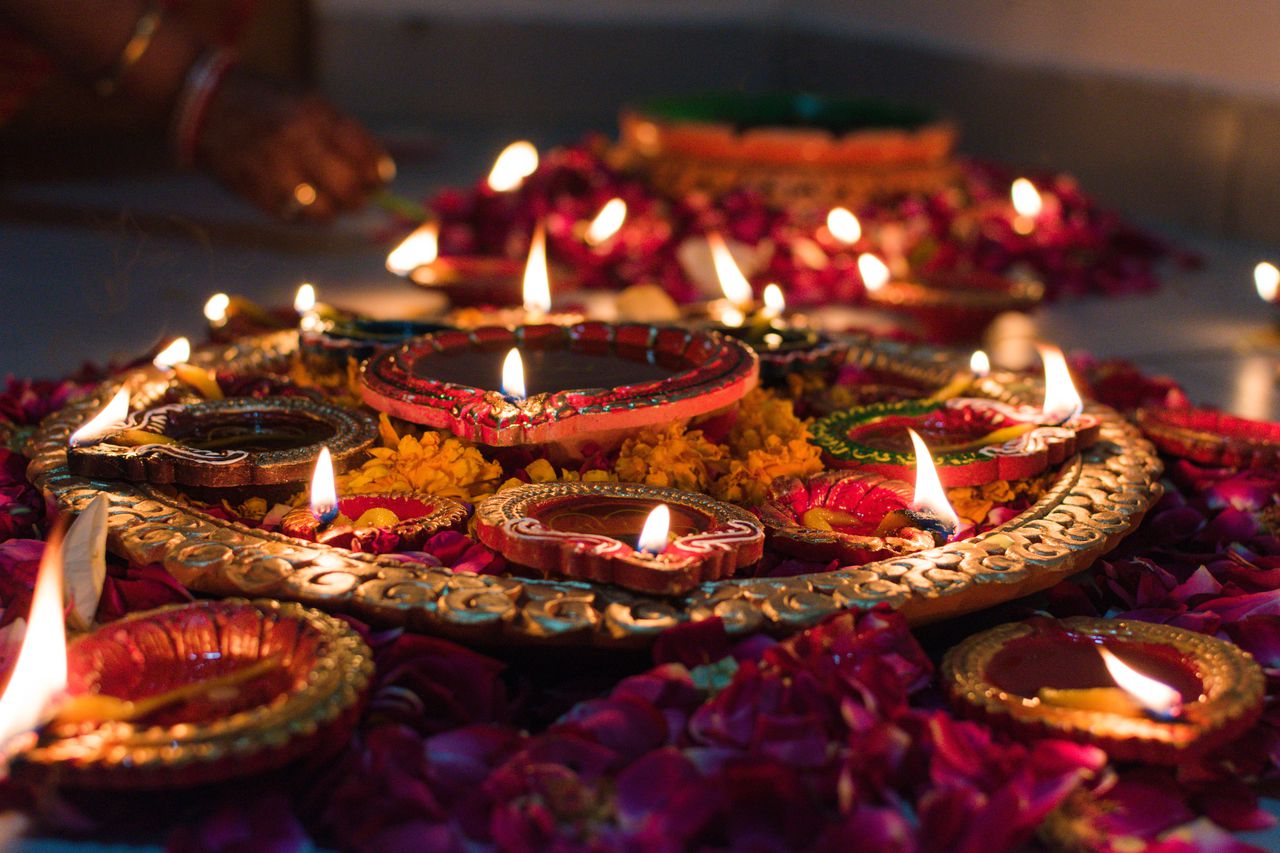
Diwali, also known as Deepavali, is one of the most important and widely celebrated festivals in Hinduism. It is a five-day festival that marks the victory of good over evil. The festival is celebrated with lights, fireworks, feasts, and prayers.
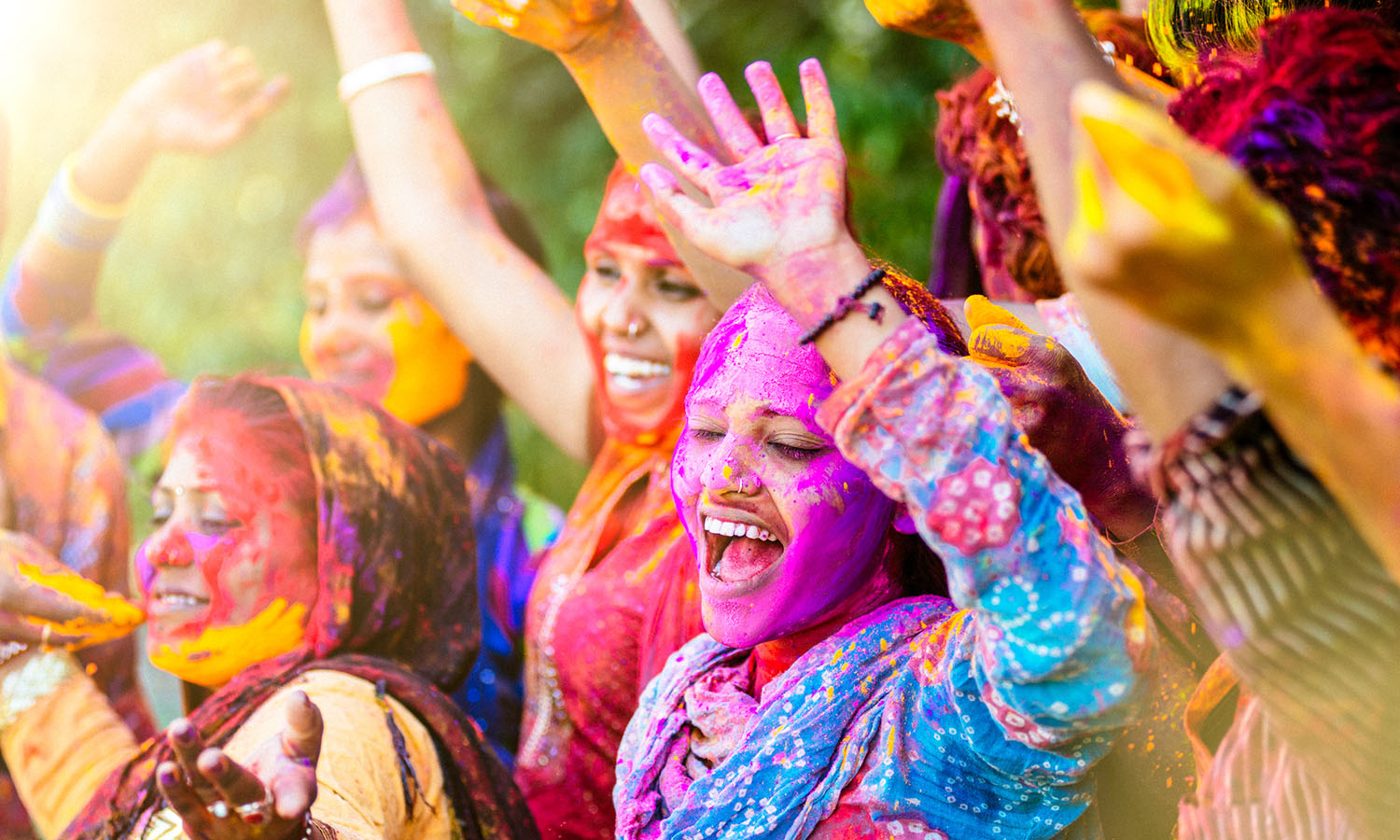
Holi: The Festival of Colors
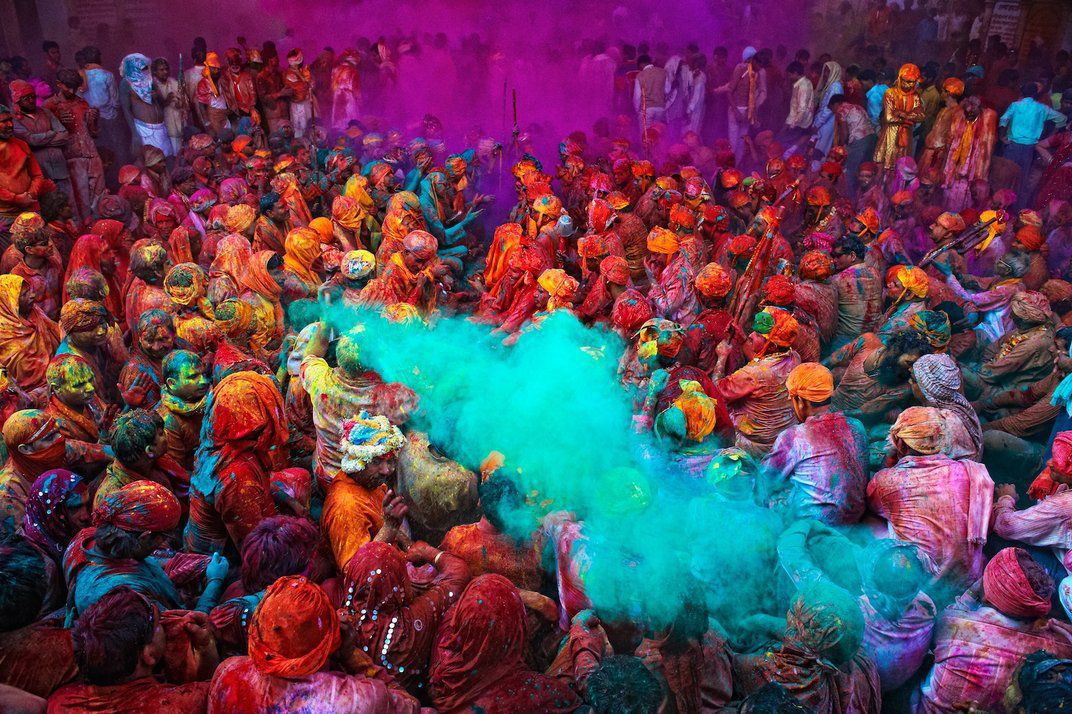
Holi is a spring festival that is celebrated with colors, music, and dance. It is a time for people to come together and celebrate the arrival of spring. The festival is marked by the throwing of colored powder and water.
Other Hindu Festivals
- Navratri: A nine-day festival that celebrates the goddess Durga.
- Dussehra: A ten-day festival that celebrates the victory of good over evil.
- Maha Shivaratri: A festival that celebrates the god Shiva.
- Janmashtami: A festival that celebrates the birth of the god Krishna.
- Raksha Bandhan: A festival that celebrates the bond between brothers and sisters.
- Ganesh Chaturthi: A festival that celebrates the god Ganesha.
- Durga Puja: A five-day festival that celebrates the goddess Durga.## The Colorful World of Hindu Festivals: From Diwali to Holi
Executive Summary
India, a land of vibrant culture and diverse traditions, is renowned for its plethora of colorful festivals. Among these, Hindu festivals hold a special place, each celebrating unique aspects of the faith and showcasing the rich heritage of the country. This article delves into the vibrant tapestry of Hindu festivals, exploring their significance, rituals, and the joy they bring to the lives of devotees.
Introduction
Hinduism, one of the oldest religions in the world, has a rich calendar of festivals that reflect its diverse beliefs and practices. These festivals serve as a means of honoring deities, celebrating seasons, and fostering community bonding. From the grandeur of Diwali to the vibrant colors of Holi, each Hindu festival is a testament to the faith’s vibrant spirit and its deep connection to the rhythms of life.
Frequently Asked Questions
- What is the most important Hindu festival? Diwali, the festival of lights, is considered the most significant Hindu festival, symbolizing the victory of good over evil.
- How many Hindu festivals are there? There are numerous Hindu festivals celebrated throughout the year, each with its own unique significance and rituals.
- Are Hindu festivals only celebrated in India? While India is home to a majority of Hindu festivals, they are also celebrated by Hindu communities worldwide, reflecting the global reach of the faith.
Subtopics
Diwali: The Festival of Lights
- Significance: Diwali commemorates the victory of Lord Rama over the demon Ravana, symbolizing the triumph of light over darkness.
- Rituals: Devotees decorate their homes with lights, set off fireworks, and offer prayers to Lakshmi, the goddess of wealth.
- Important aspects:
- Decorations: Homes and temples are adorned with intricate patterns and colorful lights, creating a magical ambiance.
- Fireworks: Diwali is known for its spectacular fireworks displays, representing the驱逐 darkness.
- Prayers to Lakshmi: Devotees offer prayers to Lakshmi, seeking her blessings for prosperity and abundance.
- Family gatherings: Diwali is a time for family reunions, with loved ones gathering to share meals and celebrate together.
- Gifts and sweets: People exchange gifts and indulge in delicious sweets, symbolizing the joy and sweetness of the occasion.
Holi: The Festival of Colors
- Significance: Holi celebrates the arrival of spring and the triumph of good over evil.
- Rituals: Devotees gather in the streets, throwing colored powder and water at each other, symbolizing the shedding of inhibitions and the renewal of life.
- Important aspects:
- Colored powder and water: The vibrant colors of Holi represent joy, abundance, and the expulsion of evil.
- Bonfires: A bonfire is lit on the eve of Holi, symbolizing the destruction of evil and the welcoming of spring.
- Music and dancing: Holi is accompanied by lively music and dancing, creating an atmosphere of joy and revelry.
- Feasting: Devotees prepare special dishes and sweets, sharing them with family and friends.
- Social harmony: Holi fosters a sense of community, as people from all walks of life come together to celebrate.
Ganesh Chaturthi: The Birthday of Lord Ganesh
- Significance: Ganesh Chaturthi marks the birth of Lord Ganesh, the elephant-headed god of wisdom and prosperity.
- Rituals: Devotees install clay idols of Lord Ganesh in their homes and temples, offering prayers and performing elaborate rituals.
- Important aspects:
- Idol immersion: On the final day of the festival, the idols are immersed in water bodies, representing the return of Lord Ganesh to his heavenly abode.
- Modaks: Modaks, sweet dumplings, are a traditional offering to Lord Ganesh, symbolizing his love for sweets.
- Decorations: Temples and homes are decorated with vibrant colors and flowers, creating a festive atmosphere.
- Community gatherings: Ganesh Chaturthi is a time for community gatherings, with devotees participating in processions and cultural performances.
- Devotional songs: Hymns and devotional songs are sung in honor of Lord Ganesh, expressing devotion and gratitude.
Navratri: The Nine Nights of the Divine Feminine
- Significance: Navratri is a nine-day festival that celebrates the divine feminine, honoring the goddesses Durga, Lakshmi, and Saraswati.
- Rituals: Devotees observe fasting, perform prayers, and participate in traditional dance forms like Garba and Dandiya.
- Important aspects:
- Nine goddesses: Each day of Navratri is dedicated to a different goddess, representing different aspects of the divine feminine.
- Fasting: Devotees observe varying degrees of fasting, depending on their devotion and capability.
- Prayers and rituals: Prayers and rituals are performed daily, seeking the blessings of the goddesses.
- Garba and Dandiya: Traditional Gujarati folk dances, Garba and Dandiya, are performed during Navratri, adding to the festive atmosphere.
- Feasting: Special dishes and sweets are prepared during Navratri, symbolizing the abundance and joy of the occasion.
Pongal: The Harvest Festival
- Significance: Pongal is a harvest festival celebrated in South India, marking the end of the harvest season and the beginning of the new agricultural year.
- Rituals: Devotees offer prayers to the sun god, Lord Surya, and prepare traditional dishes using the newly harvested rice.
- Important aspects:
- Sankranti: The first day of Pongal is known as Sankranti, marking the beginning of the festival.
- Bhogi: The second day, Bhogi, is dedicated to cleaning homes and discarding old belongings, symbolizing a fresh start.
- Pongal: The third day, Pongal, is the main day of the festival, when rice is cooked in milk and offered to Lord Surya.
- Jallikattu: In some regions, Jallikattu, a traditional bull-taming sport, is practiced during Pongal.
- Community gatherings: Pongal is a time for community gatherings, with people participating in traditional games and cultural performances.
Conclusion
The vibrant tapestry of Hindu festivals reflects the rich cultural heritage of India and the deep faith of its people. Each festival holds a special significance, celebrating customs, honoring deities, and fostering a sense of community. From the joyous colors of Holi to the spiritual reverence of Ganesh Chaturthi, these festivals showcase the diverse and enchanting aspects of Hinduism, enriching the lives of devotees with joy, devotion, and a connection to the divine.
Keywords
- Hindu festivals
- Diwali
- Holi
- Ganesh Chaturthi
- Navratri
- Pongal