Yoga and Hinduism: Unveiling the Ancient Connection

Yoga, a comprehensive system of physical, mental, and spiritual practices, holds a revered position within the ancient Hindu tradition. The inextricable bond between yoga and Hinduism cannot be overstated, as yoga embodies the very essence of Hindu philosophy and spirituality.
Historical Roots:
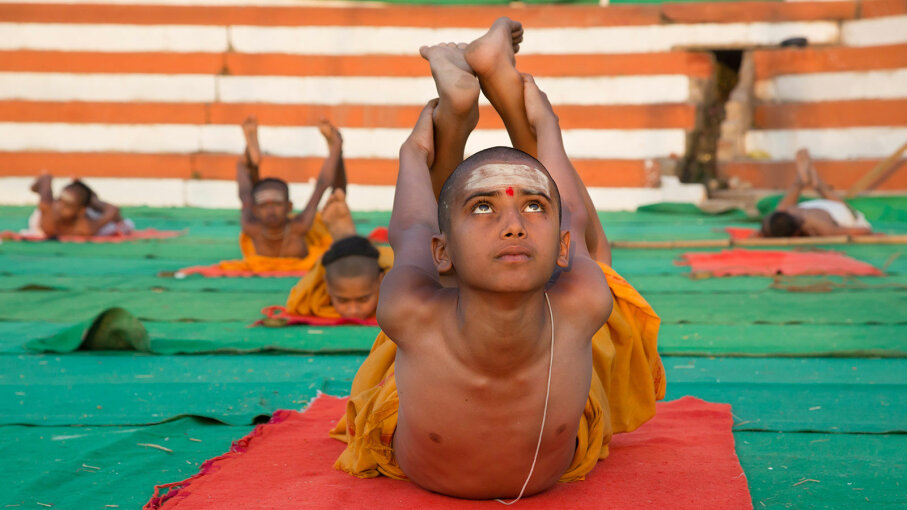
The origins of yoga can be traced back to ancient India, where it emerged as a spiritual practice aimed at self-realization and liberation. The oldest known written text on yoga, the Yoga Sutras of Patanjali, dates back to the 2nd century BCE. This seminal work outlines the eight-limbed path of yoga, comprising ethical conduct, physical postures, breath control, sense withdrawal, concentration, meditation, and contemplation.
Philosophical Foundation:
Hinduism, a complex and multifaceted religious tradition, encompasses various philosophical schools of thought. Yoga draws upon the fundamental tenets of Hinduism, including the belief in the cycle of birth, death, and rebirth (samsara), the concept of karma (actions and their consequences), and the ultimate goal of moksha (liberation from the cycle of samsara).
Practical Applications:
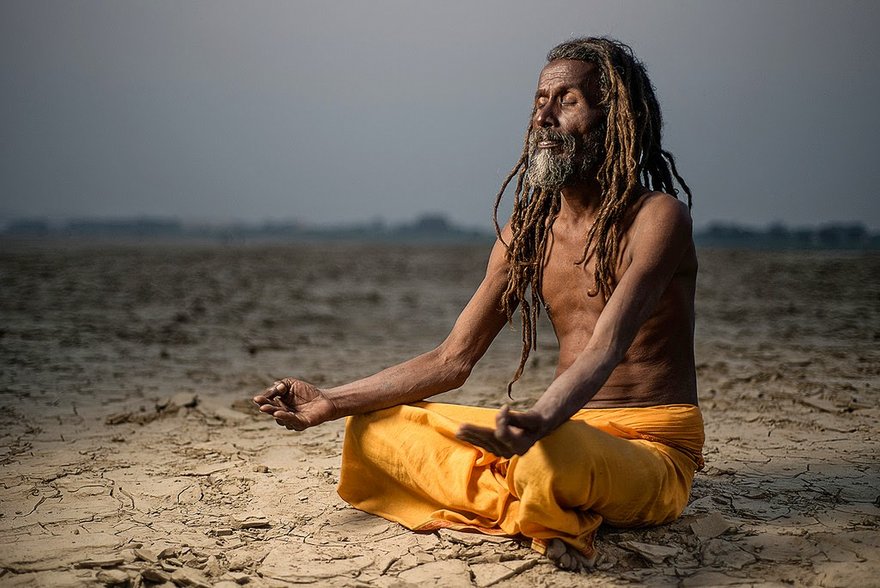
Yoga practices play a vital role in Hindu religious rituals and spiritual practices. Hatha yoga, the physical aspect of yoga, is often used as a preparatory step for meditation and contemplation. Pranayama (breath control) and dhyana (meditation) are integral parts of Hindu rituals and spiritual disciplines.
Specific Deities and Practices:
Certain deities within the Hindu pantheon are closely associated with yoga. Lord Shiva, the destroyer and transformer, is considered the Adi Yogi (first yogi). The goddess Kali, known for her fierce and transformative nature, is also revered in some yoga traditions. The practice of Bhakti yoga, which involves devotion to a particular deity, is another important aspect of Hinduism.
Social Implications:
Yoga has played a significant role in shaping Indian society and culture. It has influenced the development of Ayurvedic medicine, the traditional system of healing in India. Additionally, yoga has been instrumental in the growth of vegetarianism and non-violence, principles that are deeply ingrained in Hindu ethics.
Contemporary Relevance:
Today, yoga has gained immense popularity around the world, primarily for its health benefits and stress-reducing qualities. However, it is important to remember the profound spiritual and philosophical roots of yoga in Hinduism. By understanding this connection, practitioners can develop a deeper appreciation for the transformative potential of yoga.
Conclusion:
Yoga and Hinduism are intimately intertwined, with yoga serving as a practical and spiritual tool to attain the ultimate goals of the Hindu tradition. The physical, mental, and spiritual practices of yoga provide a path to self-realization, liberation from suffering, and the realization of the divine within. By delving into the ancient connection between yoga and Hinduism, we gain a deeper understanding of both the practice and the underlying philosophy that has shaped it.