Education and Empowerment: The Role of Modern Education for Women in Hindu Society
Introduction
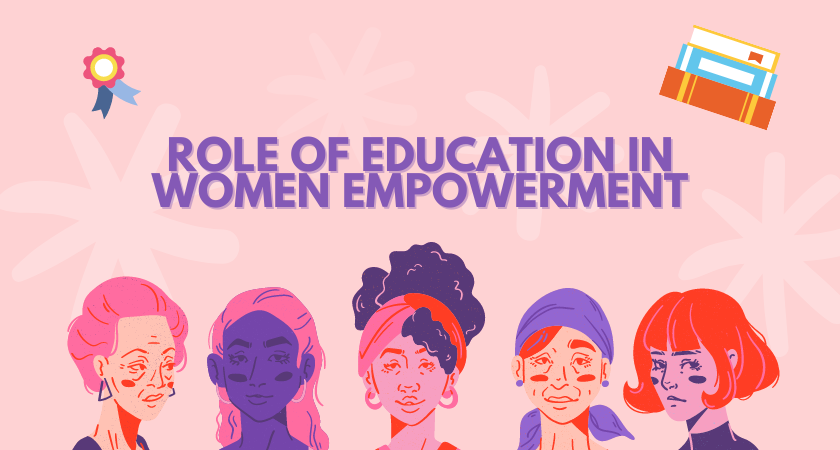
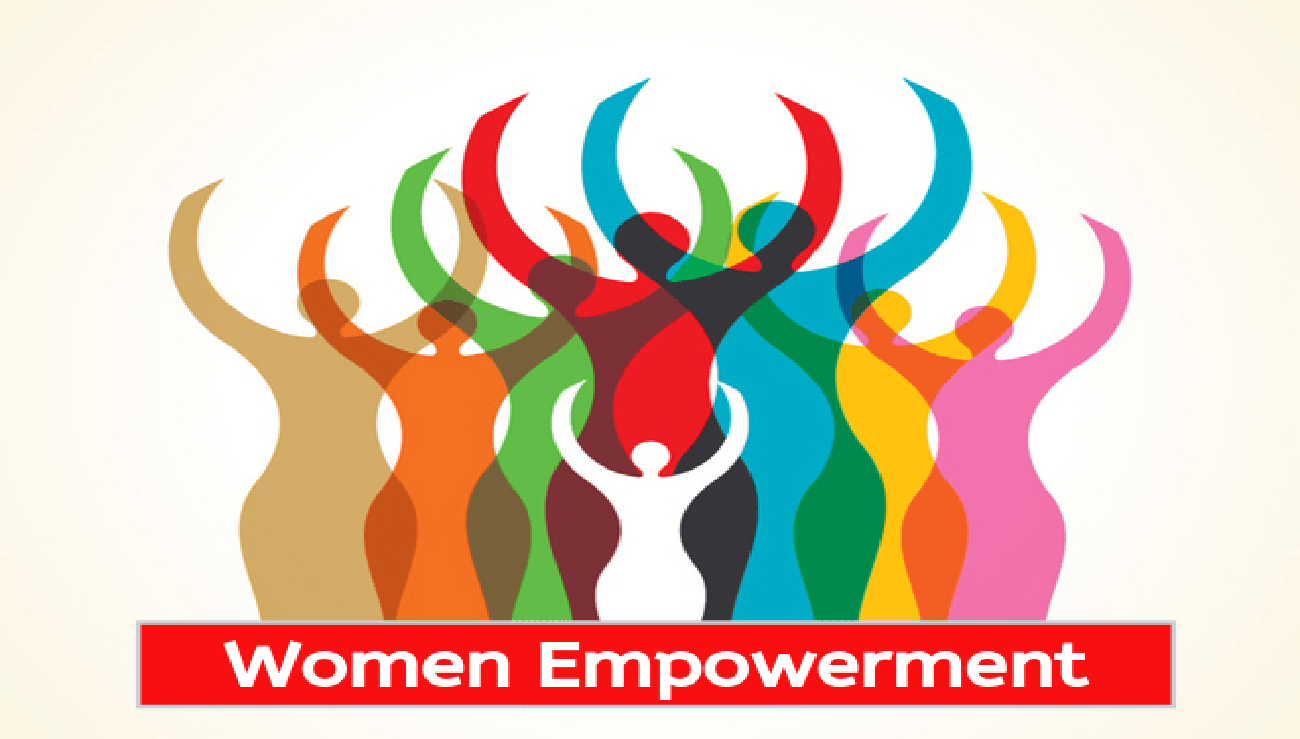
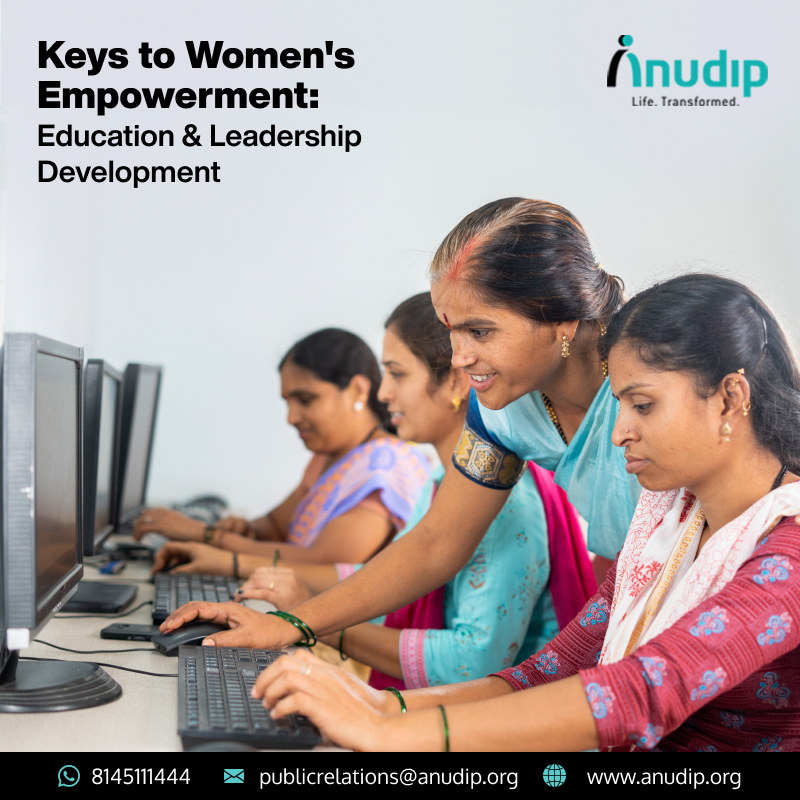
Education plays a pivotal role in the empowerment of women, particularly in traditional societies like Hindu society. Modern education has emerged as a transformative force, challenging traditional gender norms and paving the way for women’s progress and emancipation.
Historical Context
Traditionally, women in Hindu society were relegated to domestic roles, with limited access to education and opportunities outside the home. However, the 19th century witnessed the rise of reformist movements and social activists who advocated for women’s education.
Benefits of Modern Education
Modern education provides numerous benefits for Hindu women:
- Literacy and Cognitive Development: It empowers women with the ability to read, write, and critically analyze information, fostering their intellectual growth and decision-making capabilities.
- Economic Independence: Education opens doors to employment opportunities, enabling women to support themselves financially and contribute to their families and communities.
- Health and Well-being: Educated women are more likely to make informed choices about their health and nutrition, leading to improved well-being for both themselves and their families.
- Social Participation: Education increases women’s confidence and awareness of their rights, encouraging them to participate in public life and advocate for social change.
- Leadership and Role Models: Educated women serve as role models for younger generations, inspiring them to pursue their aspirations and challenge gender stereotypes.
Challenges Faced
Despite the progress made, women in Hindu society still face several challenges:
- Cultural and Religious Barriers: Traditional beliefs and practices may continue to limit women’s access to education and societal participation.
- Access to Quality Education: In some areas, girls may lack equal access to schools or receive inferior educational opportunities compared to boys.
- Financial Constraints: Poverty and economic disparities can hinder girls from continuing their education beyond primary school.
- Gender-Based Violence and Harassment: Women may encounter discrimination, harassment, or violence in educational settings, creating barriers to their learning.
Solutions and Strategies
To address these challenges and ensure the full empowerment of women through education, various solutions and strategies are needed:
- Cultural Sensitization and Dialogue: Engage with religious and community leaders to foster a shift in attitudes and promote the value of women’s education.
- Policy Reforms and Affirmative Action: Implement policies that prioritize girls’ education and provide incentives to encourage their participation in higher levels of schooling.
- Investment in Education Infrastructure: Ensure that all girls have access to quality schools and educational resources, regardless of their location or socio-economic background.
- Safe and Supportive Learning Environments: Create safe and welcoming educational environments where girls feel protected and encouraged to learn and participate.
- Mentorship and Role Model Programs: Provide mentorship and role models to inspire girls and help them navigate the challenges they may face in their educational and professional journeys.
Conclusion
Modern education serves as a powerful instrument for the empowerment of women in Hindu society. By overcoming historical barriers and creating an enabling environment, we can unlock the full potential of women and contribute to a more just, equitable, and progressive society. Ongoing efforts, dialogue, and collaboration are essential to ensure that all women have access to the transformative power of education and can play a vital role in shaping the future of their communities and the nation as a whole.Education And Empowerment: The Role Of Modern Education For Women In Hindu Society
Executive Summary
Modern education has the power to transform women’s lives in Hindu society, providing them with the knowledge, skills, and confidence they need to overcome traditional barriers and achieve their full potential. This article explores the critical role of education in empowering women, promoting gender equality, and fostering inclusive and progressive communities.
Introduction
In Hindu society, women have historically faced significant disparities in access to education and societal opportunities. However, the advent of modern education is reshaping these dynamics, offering women unprecedented avenues for personal and societal growth.
FAQs
1. Why is education essential for women in Hindu society?
- Education empowers women with the knowledge and skills to pursue their aspirations and make informed decisions about their lives.
- It breaks down traditional barriers and prejudices that limit women’s opportunities.
- Education fosters women’s confidence and self-belief, enabling them to challenge societal norms and assert their rights.
2. What are the key benefits of modern education for women?
- Improved Literacy and Numeracy: Modern education provides women with the foundational skills necessary for economic and social participation.
- Enhanced Employment Opportunities: Educated women have greater access to skilled and professional jobs, which in turn contribute to their financial independence.
- Increased Health and Well-being: Education improves women’s knowledge about health and hygiene, leading to better health outcomes for themselves and their families.
3. What challenges remain in promoting women’s education in Hindu society?
- Cultural and Religious Practices: Some traditional Hindu practices and beliefs can perpetuate gender disparities in education.
- Economic Barriers: Poverty and lack of access to resources can hinder girls’ enrollment and completion of schooling.
- Social Norms: Gender stereotypes and social expectations can discourage women from pursuing higher education.
Subtopics
Access to Education
- Ensuring Universal Enrollment: Expanding access to education for girls from marginalized communities and rural areas.
- Eliminating Gender Bias: Addressing biases in enrollment and retention practices to promote equitable access.
- Providing Flexible Learning Options: Offering alternative modes of education, such as online learning or part-time programs, to accommodate women’s responsibilities.
Quality of Education
- Curriculum Transformation: Revising curricula to incorporate gender perspectives and challenge stereotypes.
- Empowering Female Teachers: Supporting and training female teachers as role models for students.
- Creating Safe and Inclusive Learning Environments: Ensuring that schools are free from harassment, discrimination, and violence against women.
Lifelong Learning
- Adult Education Programs: Providing opportunities for women who missed out on formal education to acquire skills and knowledge.
- Continuing Education and Training: Supporting women’s ongoing professional development and career advancement.
- Community-Based Learning: Facilitating access to education for women in rural communities through community centers and outreach programs.
Empowerment and Leadership
- Encouraging Women’s Leadership: Promoting women’s participation in decision-making roles in educational institutions and society at large.
- Mentorship and Networks: Establishing mentorship programs and networking opportunities to support women’s career growth and leadership aspirations.
- Challenging Gender Stereotypes: Educating society about the importance of gender equality and dispelling myths about women’s capabilities.
Transforming Society
- Promoting Gender Equality: Education empowers women to challenge gender norms and promote equal rights and opportunities.
- Fostering Inclusive Communities: Educated women contribute to the creation of more inclusive and equitable societies where all voices are valued.
- Economic Development: Women’s education has a multiplier effect, leading to increased economic growth and social progress.
Conclusion
Modern education has the potential to unleash the transformative power of women in Hindu society. By empowering women with knowledge, skills, and confidence, we can create a more just, equitable, and prosperous society for all. Governments, educational institutions, and communities must work together to ensure that all women have access to quality education, allowing them to fulfill their potential and contribute to the progress of society.
Keyword Tags
- Women’s Education in Hindu Society
- Modern Education and Empowerment
- Gender Equality in Education
- Lifelong Learning for Women
- Transformative Role of Education in Hindu Society