Creation and Destruction: The Cosmic Dance of the Divine
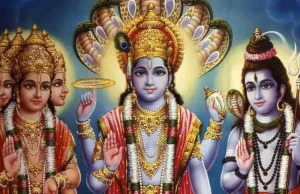
From the dawn of civilization, humans have pondered the eternal questions of life, death, and the nature of existence. Among the world’s great spiritual traditions, Hinduism offers a profound and multifaceted perspective on the cyclical nature of the universe, embodied in the concept of Trimurti, the three divine forms responsible for creation, preservation, and destruction.
The Trimurti: A Divine Trinity
In Hindu cosmology, Trimurti is a trinity of deities representing the three primary functions of the universe:
- Brahma: The Creator, responsible for bringing forth the cosmos from the void.
- Vishnu: The Preserver, who maintains the balance and order of the universe.
- Shiva: The Destroyer, who brings about the end of cycles and facilitates renewal.
These three deities are not separate entities but rather aspects of a single divine principle. They work together in a harmonious dance, ensuring the perpetual cycle of creation, preservation, and destruction.
The Cosmic Dance
The Trimurti is often depicted as performing a cosmic dance, known as the Nataraja Tandava. This dance represents the dynamic interplay between creation and destruction, the ebb and flow of the universe. In his dance, Shiva holds a drum, symbolizing the sound of creation, and a flame, symbolizing the transformative power of destruction.
The Nataraja Tandava is a metaphor for the constant process of renewal that occurs throughout the universe. As old forms are destroyed, new ones emerge, ensuring the perpetual vitality and dynamism of existence.
Creation and the Birth of the Universe
According to Hindu mythology, the universe was born from the cosmic egg, known as the Brahmanda. Brahma, the Creator, emerged from the egg and began the process of creation. He created the heavens, the earth, and all the beings that inhabit them.
Brahma’s act of creation is not a single event but an ongoing process. He is constantly bringing forth new forms and beings, ensuring the diversity and abundance of the universe.
Preservation and the Maintenance of Order
Once the universe is created, Vishnu, the Preserver, takes on the role of maintaining its balance and order. He ensures that the laws of nature are upheld and that life continues to thrive.
Vishnu is often depicted as a benevolent deity, reclining on the serpent Ananta. He holds a conch shell, symbolizing the sound of the universe, and a discus, symbolizing the power of preservation.
Destruction and the Renewal of Cycles
While creation and preservation are essential for the existence of the universe, destruction is equally important. Shiva, the Destroyer, brings about the end of cycles, making way for new beginnings.
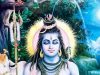
Shiva is often depicted as a fierce deity, with a third eye that symbolizes his ability to see beyond the illusions of the world. He holds a trident, symbolizing his power to destroy, and a drum, symbolizing the sound of change.
The Balance of Creation and Destruction
The Trimurti represents the harmonious balance between creation and destruction. Each deity has a specific role to play in the cosmic dance, and their actions are interconnected and interdependent.
Creation without destruction would lead to chaos and stagnation. Destruction without creation would result in emptiness and void. Together, these divine forces ensure the perpetual renewal and vitality of the universe.
Conclusion
The Hindu concept of Trimurti provides a profound and poetic understanding of the cyclical nature of existence. The three divine forms of Brahma, Vishnu, and Shiva represent the essential functions of creation, preservation, and destruction, which work together in a harmonious dance to maintain the balance and dynamism of the universe.
This concept teaches us that destruction is not an end but a necessary part of the cycle of life. It is through the acceptance and embrace of both creation and destruction that we can truly appreciate the beauty and wonder of our world.
Secondary Keywords:
Trimurti, Creation, Destruction, Hinduism, Cosmic Dance, Nataraja Tandava, Brahma, Vishnu, Shiva, Brahmanda, Ananta, Trident