Dharma: The Sacred Duty in Hinduism
Introduction
Dharma is a profound and multifaceted concept that serves as the cornerstone of Hindu philosophy and way of life. It encompasses a complex tapestry of religious, moral, and social norms that guide the actions and beliefs of Hindus. To unravel the enigmatic nature of Dharma, we embark on a journey to explore its origins, significance, and multifaceted manifestations within Hindu society and spirituality.
Defining Dharma: The Essence of Righteousness
Dharma, derived from the Sanskrit root “dhri,” meaning “to hold” or “to sustain,” embodies the fundamental principles of right conduct, righteousness, and duty. It encompasses not only religious observances but also ethical and moral responsibilities, societal obligations, and the inherent order of the universe.
The Role of Dharma in Society: Social Harmony and Order
Dharma plays a pivotal role in maintaining social harmony and order within Hindu society. It prescribes specific duties and responsibilities for individuals based on their caste, gender, and stage of life. By adhering to their Dharma, individuals contribute to the overall well-being and stability of the community.
Varna Dharma: The caste system, an integral part of Hindu society, assigns specific roles and duties to individuals based on their birth. Each caste has its own set of responsibilities, rights, and restrictions.
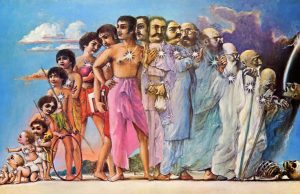
Ashrama Dharma: The stages of life, known as ashramas, also shape an individual’s Dharma. These stages include Brahmacharya (student life), Grihastha (householder life), Vanaprastha (retirement), and Sannyasa (renunciation). Each ashrama has its unique set of Dharma-related obligations.
Jaati Dharma: This aspect of Dharma pertains to one’s family and community. It involves adhering to traditions, customs, and rituals that are specific to one’s lineage.
Dharma in Spirituality: The Path to Liberation
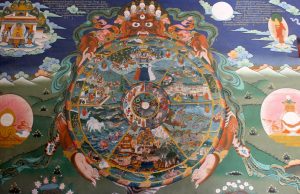
Dharma also plays a central role in Hindu spirituality, serving as a guide for personal growth and liberation from the cycle of rebirth.
Sanatana Dharma: This term refers to the “eternal Dharma,” the fundamental and unchanging principles that govern the universe. It encompasses the belief in Brahman, the ultimate reality, and the concept of karma, the law of cause and effect.
Moksha Dharma: The ultimate goal of Hindu spirituality is to attain moksha, liberation from the cycle of rebirth and union with Brahman. Dharma serves as the path to liberation, guiding individuals to overcome ignorance and attachments.
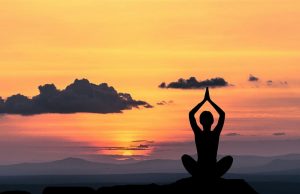
Yoga and Dharma: The practice of yoga, as outlined in the Bhagavad Gita, is deeply intertwined with Dharma. Yoga, meaning “union,” aims to align one’s thoughts, words, and actions with Dharma, leading to inner harmony and spiritual realization.
The Complexity of Dharma: Diverse Interpretations and Perspectives
The concept of Dharma is not static but rather dynamic, subject to interpretation and adaptation over time. Different Hindu sects and philosophical schools have varying perspectives on Dharma.
Renunciation and Detachment: Some schools of thought emphasize the importance of renouncing material possessions and worldly attachments to follow a path of asceticism and spiritual liberation.
Active Engagement in the World: Others advocate for an active engagement in society, fulfilling one’s Dharma through service, compassion, and ethical conduct.
Contemporary Interpretations: In modern times, the concept of Dharma has evolved to encompass broader notions of social justice, environmental consciousness, and global well-being.
Conclusion: Dharma as a Guiding Light
Dharma, in its multifaceted splendor, remains a foundational element in the lives of Hindus, offering guidance for both societal harmony and spiritual liberation. Its timeless wisdom continues to inspire and shape the thoughts, actions, and aspirations of individuals, communities, and generations.
Secondary Keywords:
Dharma, Hinduism, Righteousness, Duty, Social Harmony, Spirituality, Moksha, Liberation, Yoga, Sanatana Dharma, Caste System, Ashrama Dharma, Jaati Dharma