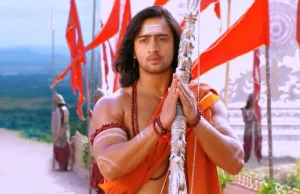
Mahabharata – The Epic Tale: Unraveling Its Profound Significance and Timeless Appeal
The Mahabharata stands as one of the greatest epics in world literature, a colossal Sanskrit masterpiece that has captivated readers for centuries. Its intricate narrative, profound philosophical insights, and unforgettable characters have left an indelible mark on Indian culture and beyond.
Origins and Composition
The Mahabharata is believed to have originated as an oral tradition, with its earliest known version likely dating back to the 8th century BCE. Over time, the epic underwent numerous revisions and additions by various authors, culminating in its present form. The final compilation is attributed to Sage Vyasa, who is said to have arranged the vast body of stories and teachings into 18 parvas (books).
Key Themes and Characters
At its core, the Mahabharata explores a wide range of universal themes, including:
- The eternal conflict between dharma (righteousness) and adharma (unrighteousness)
- The complexities of human relationships and motivations
- The nature of good and evil
- The interplay between fate and free will
The epic features a vast cast of characters, each embodying a specific aspect of human nature. Arjuna, the Pandava warrior prince, exemplifies courage, loyalty, and skill in archery. Krishna, the divine charioteer, serves as a guide and counselor, offering profound spiritual insights. Bhishma, the grandsire of the Kuru clan, represents wisdom and devotion to dharma.
Historical and Cultural Significance
Beyond its literary merits, the Mahabharata has played a significant role in Indian history and culture:
- It is considered one of the foundational texts of Hinduism, providing a rich source of religious and ethical teachings.
- The epic has inspired numerous works of art, music, and dance, contributing to the development of Indian classical traditions.
- Its characters and stories have become deeply ingrained in the collective consciousness of Indian society, shaping moral values and cultural norms.
Unraveling the Epic: Exploring Lesser-Known Facts
To delve deeper into the intricacies of the Mahabharata, let’s uncover some lesser-known aspects of the epic:
- Arjuna’s 12 Unknown Abilities: Beyond his renowned archery skills, Arjuna possessed extraordinary abilities, including the power to summon celestial weapons and transform his appearance at will.
- The Role of Women: While often portrayed as supporting characters, several female figures in the Mahabharata play crucial roles, challenging societal norms and demonstrating resilience and strength.
- The Cosmic Serpent: The epic features a mythical serpent named Kaliya, who represents the forces of darkness and chaos. Its defeat by Krishna symbolizes the triumph of good over evil.
- The Philosophical Core: Woven throughout the narrative are profound philosophical teachings, known as the “Bhagavad Gita,” which explore the nature of the soul, the path to liberation, and the essence of true happiness.
- Alternate Versions and Adaptations: Over the centuries, numerous versions and adaptations of the Mahabharata have emerged, each offering unique interpretations and perspectives on the original epic.
Exploring the Timeless Appeal
The Mahabharata continues to resonate with readers today due to its:
- Universal Themes: Its timeless themes of good vs. evil, love, loyalty, and sacrifice speak to human nature across cultures and generations.
- Unforgettable Characters: The characters of the Mahabharata are vividly drawn and relatable, evoking empathy, admiration, and introspection.
- Profound Wisdom: The epic’s philosophical teachings provide valuable insights into the complexities of life, offering guidance and solace to seekers of truth.
Embracing the Epic in Modern Life
The Mahabharata offers a wealth of lessons and inspiration for modern readers:
- Moral Compass: Its teachings on dharma can guide us in making ethical decisions and navigating the challenges of life.
- Emotional Intelligence: The complex relationships portrayed in the epic offer insights into human emotions and provide a framework for healthy relationships.
- Spiritual Growth: The philosophical teachings of the Bhagavad Gita can deepen our understanding of the self and inspire spiritual growth.
- Cultural Appreciation: Exploring the Mahabharata allows us to appreciate the rich cultural heritage of India and its profound influence on world civilizations.
Conclusion
The Mahabharata stands as a towering literary achievement, a timeless epic that continues to captivate and inspire readers worldwide. Its intricate narrative, profound themes, and unforgettable characters offer a profound reflection on human nature and the universal quest for truth and meaning. By delving into the depths of this epic tale, we not only gain a deeper understanding of its historical and cultural significance but also enrich our own lives with its timeless wisdom and eternal appeal.
Secondary Keywords
Epic of Mahabharata, Mahabharata Characters, Bhagavad Gita, Indian Epic, Mythological Serpent, Alternate Mahabharata Versions