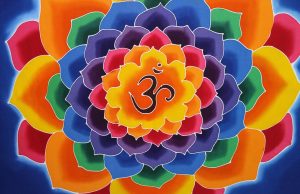
Symbolism: Unlocking the Hidden Meanings of Symbols and Icons
Symbols are an integral part of human communication and expression. They carry profound meanings that transcend words, conveying ideas and emotions that are difficult to articulate otherwise. In art, architecture, literature, and various other disciplines, symbolism plays a crucial role in shaping the message and enhancing the overall experience.
The Power of Symbolism
Symbols are powerful tools that can:
- Convey complex ideas: A single symbol can represent a multitude of concepts, ideas, and emotions, allowing for a deeper and more nuanced understanding.
- Evoke emotions: Symbols have the ability to trigger strong emotional responses, connecting with audiences on a visceral level.
- Create a sense of unity: Shared symbols can foster a sense of belonging and connection within groups and communities.
- Preserve cultural heritage: Symbols are often passed down through generations, carrying with them the values, beliefs, and traditions of a particular culture.
Types of Symbols
Symbols come in various forms, including:
- Objects: Physical objects, such as animals, plants, or artifacts, can serve as symbols. For example, the lion is a symbol of strength and courage in many cultures.
- Colors: Different colors evoke specific emotions and associations. For instance, red is often associated with love and passion, while blue is associated with peace and tranquility.
- Shapes: Geometric shapes, such as circles, squares, and triangles, carry symbolic meanings. Circles, for example, represent wholeness and infinity.
- Actions: Human actions and gestures can also be symbolic. The act of bowing, for example, signifies respect and humility.
Symbolism in Art and Architecture
In art and architecture, symbolism is used extensively to create visual narratives and enhance the viewer’s experience.
- Religious Art: Religious artworks often contain a wealth of symbolic imagery. For instance, the halo around a saint’s head symbolizes divine grace.
- Classical Architecture: Classical Greek and Roman architecture employed symbols to convey order, harmony, and beauty. The columns of a temple, for example, represent strength and stability.
- Modern Art: Modern and contemporary artists continue to use symbolism to explore complex themes and convey emotions. The work of Pablo Picasso and Salvador Dalí is known for its rich symbolism.
Symbolism in Literature
In literature, symbolism is used to create depth and ambiguity, allowing readers to interpret and engage with the text on multiple levels.
- Allegorical Stories: Allegories are stories that use symbols to represent abstract ideas or moral lessons. The Aesop’s fable of “The Ant and the Grasshopper” uses the ant and grasshopper as symbols of hard work and laziness, respectively.
- Metaphors and Similes: Metaphors and similes are literary devices that use symbols to create vivid imagery and comparisons. For example, comparing a person to a “ray of sunshine” symbolizes their cheerful and uplifting nature.
How to Identify Symbolism
Identifying symbolism requires careful observation and analysis of the context. Consider the following factors:
- Cultural Context: Symbols are often influenced by the culture in which they are created and used.
- Historical Context: The historical context can provide insights into the significance of symbols and how they have evolved over time.
- Personal Associations: Personal experiences and beliefs can influence how we interpret symbols.
Conclusion
Symbolism is a powerful and versatile tool that enriches our understanding of the world around us. By recognizing and interpreting symbols, we gain access to deeper meanings, emotions, and connections. Whether in art, architecture, literature, or everyday life, symbolism plays a vital role in shaping our perceptions and experiences.
Secondary Keywords
- Symbolism in culture
- Symbolism and communication
- Symbolism in psychology
- Religious symbolism
- Symbolic meanings