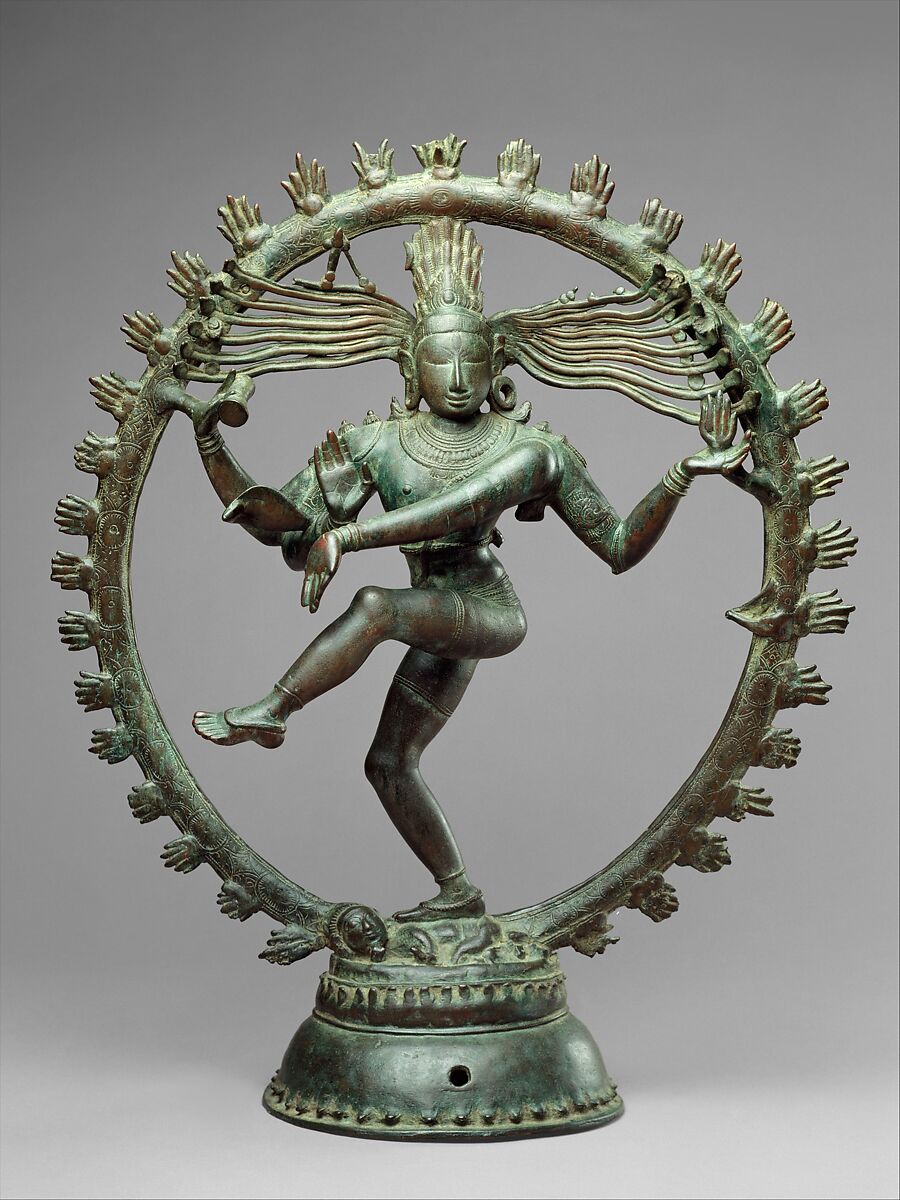
Lord Shiva is one of the most important gods in the Hindu pantheon. He is known as the destroyer, but he is also the creator and preserver. Shiva has many forms, each with its own unique iconography and symbolism. Some of the most well-known forms of Shiva include:
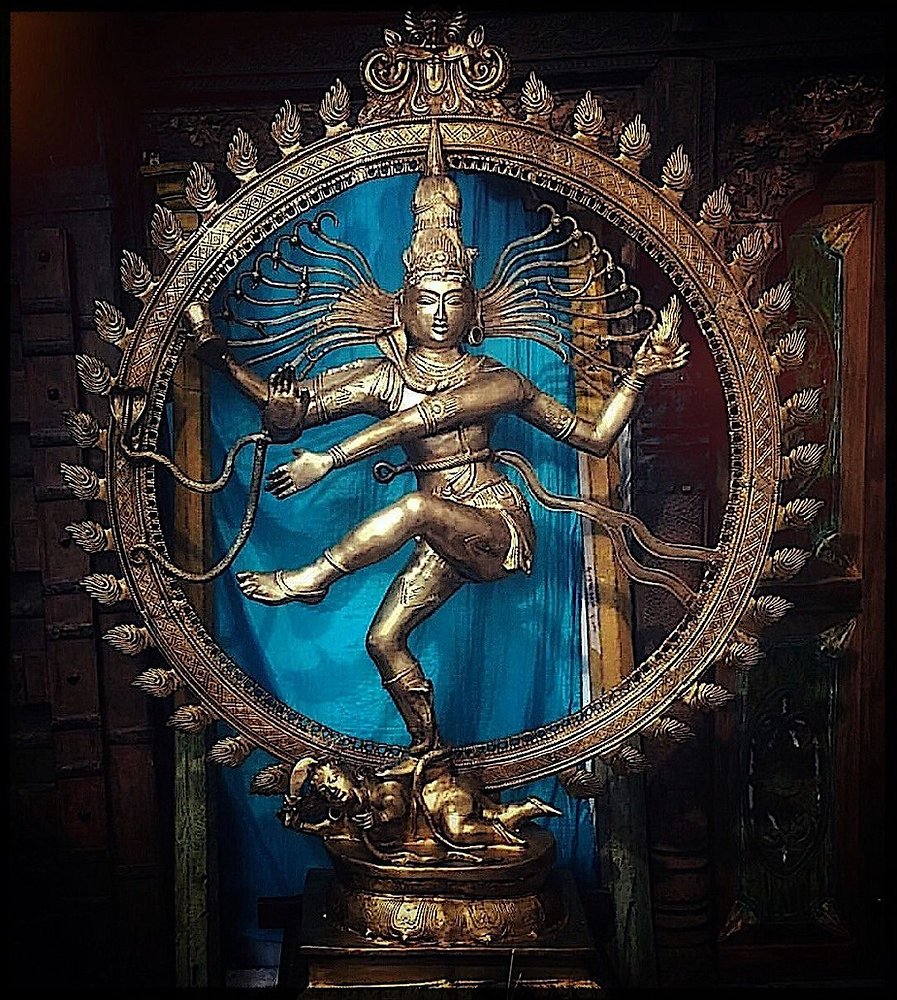
- Nataraja: This is the dancing form of Shiva. He is depicted with four arms, each holding a different object. The upper right hand holds a drum, which represents creation. The upper left hand holds a flame, which represents destruction. The lower right hand holds a deer, which represents preservation. The lower left hand is in a gesture of reassurance. Nataraja is often depicted standing on a dwarf, which represents ignorance.
- Mahadeva: This is the great god Shiva. He is depicted as a seated figure with four arms. His upper right hand holds a trident, which represents his power to destroy. His upper left hand holds a noose, which represents his power to bind. His lower right hand holds a drum, which represents creation. His lower left hand is in a gesture of reassurance. Mahadeva is often depicted with a crescent moon on his head, which represents his control over time.
- Bhairava: This is the fierce form of Shiva. He is depicted with a red face and fangs. He is often associated with death and destruction. Bhairava is often depicted with a skull garland around his neck and a trident in his hand.
- Vishwanatha: This is the lord of the universe form of Shiva. He is depicted as a seated figure with four arms. His upper right hand holds a trident, which represents his power to destroy. His upper left hand holds a noose, which represents his power to bind. His lower right hand holds a drum, which represents creation. His lower left hand is in a gesture of reassurance. Vishwanatha is often depicted with a crescent moon on his head, which represents his control over time.
- Sadashiva: This is the supreme form of Shiva. He is depicted as a seated figure with five heads. His upper right hand holds a trident, which represents his power to destroy. His upper left hand holds a noose, which represents his power to bind. His lower right hand holds a drum, which represents creation. His lower left hand is in a gesture of reassurance. His fifth head is at the top of his head, and it represents his transcendence of all forms.
These are just a few of the many forms of Lord Shiva. Each form has its own unique significance and symbolism. Shiva is a complex and multifaceted god, and his many forms reflect the different aspects of his nature.## [The Many Forms Of Lord Shiva: Nataraja, Mahadeva, And More]
Executive Summary
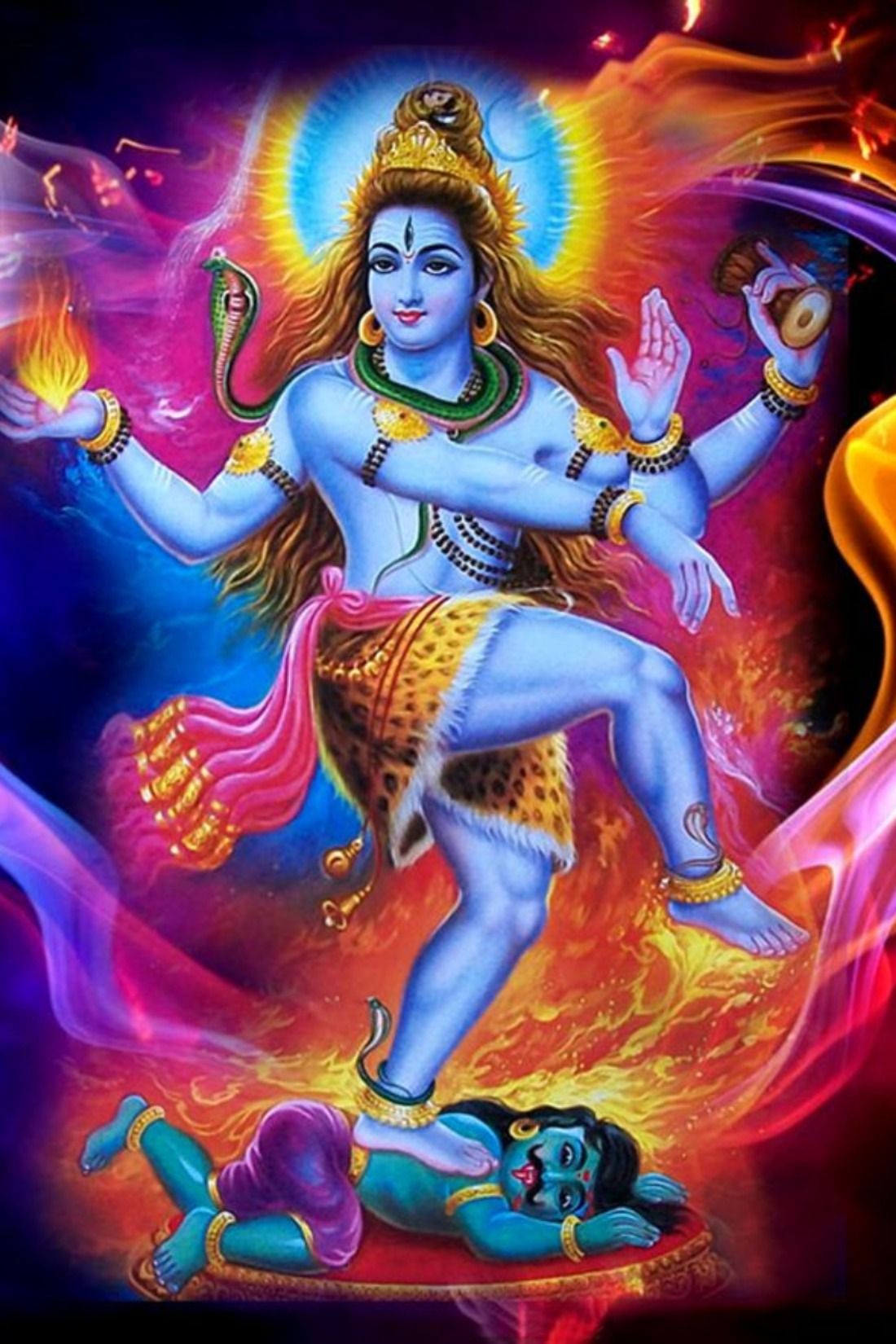
Lord Shiva, one of the most revered deities in the Hindu pantheon, is known for his complex and multifaceted nature. He is worshipped in various forms, each representing a different aspect of his divine power and being. This article explores some of the prominent forms of Lord Shiva, including Nataraja, Mahadeva, and others.
Introduction
Lord Shiva, also known as Mahadeva, is one of the three supreme deities in Hinduism, along with Brahma and Vishnu. He is often depicted as a powerful ascetic, adorned with snakes and a crescent moon, and holding a trident. Shiva’s iconography and symbolism are rich and varied, representing his multifaceted nature and the diverse aspects of his divine power.
FAQs
Q: What is the significance of Lord Shiva’s dance in the form of Nataraja?
A: The Nataraja form represents Shiva as the cosmic dancer, symbolizing the eternal cycle of creation, preservation, and destruction.
Q: Why is Lord Shiva known as Mahadeva?
A: Mahadeva means “the great god.” It is one of Shiva’s primary names, reflecting his supreme power and divinity.
Q: What is the difference between Shiva and Shankar?
A: Shiva and Shankar are different names for the same deity. Shankar is a more benevolent and auspicious aspect of Shiva.
Subtopics
Nataraja
Description: The Nataraja form depicts Shiva as the cosmic dancer, performing the Tandava dance. This dance is a symbol of the eternal cycle of creation, preservation, and destruction.
- Cosmic Dance: The Tandava dance represents the rhythmic pulsation of the universe.
- Damaru: The small drum Shiva holds in his hands symbolizes the primordial sound that created the cosmos.
- Jata Mukuta: The crown of matted hair represents the vastness and mystery of the universe.
- Apasmara Purusha: The dwarf under Shiva’s feet symbolizes ignorance and illusion.
Mahadeva
Description: Mahadeva is the aspect of Shiva that represents his supreme power and divinity. He is often depicted as a majestic figure, seated on a lotus throne or a bull named Nandi.
- Supreme God: Mahadeva is considered the greatest of all gods, the ultimate source of all creation.
- Pasupatastra: The powerful weapon Shiva wields is a symbol of his divine authority.
- Rudra: Mahadeva is also known as Rudra, the fierce and destructive aspect of Shiva.
- Ganga River: The river Ganga, which originates from Shiva’s hair, symbolizes purity and transcendence.
Ardhanarishvara
Description: Ardhanarishvara is a composite form of Shiva and his consort, Parvati. It symbolizes the union of masculine and feminine energies and the essential balance of opposites in the universe.
- Androgynous Form: Ardhanarishvara represents the concept of Ardhanari, where one body expresses both male and female aspects.
- Unity of Opposites: The form harmonizes the seemingly contradictory qualities of masculinity and femininity.
- Cosmic Union: Ardhanarishvara signifies the divine union of Shiva and Shakti, the cosmic energies.
- Symbol of Creation: The form represents the harmonious interplay of opposites, essential for the creation and sustenance of the universe.
Bhairava
Description: Bhairava is the fierce and wrathful aspect of Shiva, often associated with destruction and transformation. He is depicted with a fearsome countenance, adorned with skulls and weapons.
- Destroyer of Evil: Bhairava is invoked to destroy negative forces and protect devotees from harm.
- Guardian of Thresholds: He is often worshipped as a gatekeeper, guarding sacred spaces and transitions.
- Yoga and Meditation: Bhairava is also revered as a guide for yogis and meditators, helping them overcome obstacles on their spiritual path.
- Tantric God: Bhairava is prominently worshipped in Tantric traditions, where he represents the transformative power of consciousness.
Vishwanatha
Description: Vishwanatha is the form of Shiva as the lord of the universe. He is often depicted with a radiant aura, representing his cosmic presence and boundless consciousness.
- All-Pervading Consciousness: Vishwanatha symbolizes the universal consciousness that permeates all existence.
- Cosmic Ruler: He is the sovereign of the universe, maintaining cosmic order and harmony.
- Presiding Deity of Varanasi: Vishwanatha is the presiding deity of Varanasi, one of the most sacred pilgrimage sites in India.
- Kashi Vishwanath Temple: The Kashi Vishwanath Temple in Varanasi is dedicated to Vishwanatha, attracting millions of devotees annually.
Conclusion
Lord Shiva’s multifaceted nature is reflected in the numerous forms in which he is worshipped. From the cosmic dancer Nataraja to the supreme deity Mahadeva, each form embodies a distinct aspect of his divine power and being. Understanding these forms provides a deeper insight into the complex tapestry of Hindu mythology and its profound spiritual teachings.
Keyword Tags
- Lord Shiva
- Nataraja
- Mahadeva
- Ardhanarishvara
- Bhairava
- Vishwanatha