The Many Forms of the Hindu God Ganesha: Remover of Obstacles and Lord of Beginnings
Introduction:
Ganesha, the elephant-headed god, is one of the most revered deities in the Hindu pantheon. Known as the Remover of Obstacles and the Lord of Beginnings, he is widely worshipped for his ability to grant success and clear the path for new ventures. Throughout India and beyond, Ganesha is depicted in various forms, each with its unique symbolism and significance.
1. Vighnaharta (Remover of Obstacles):
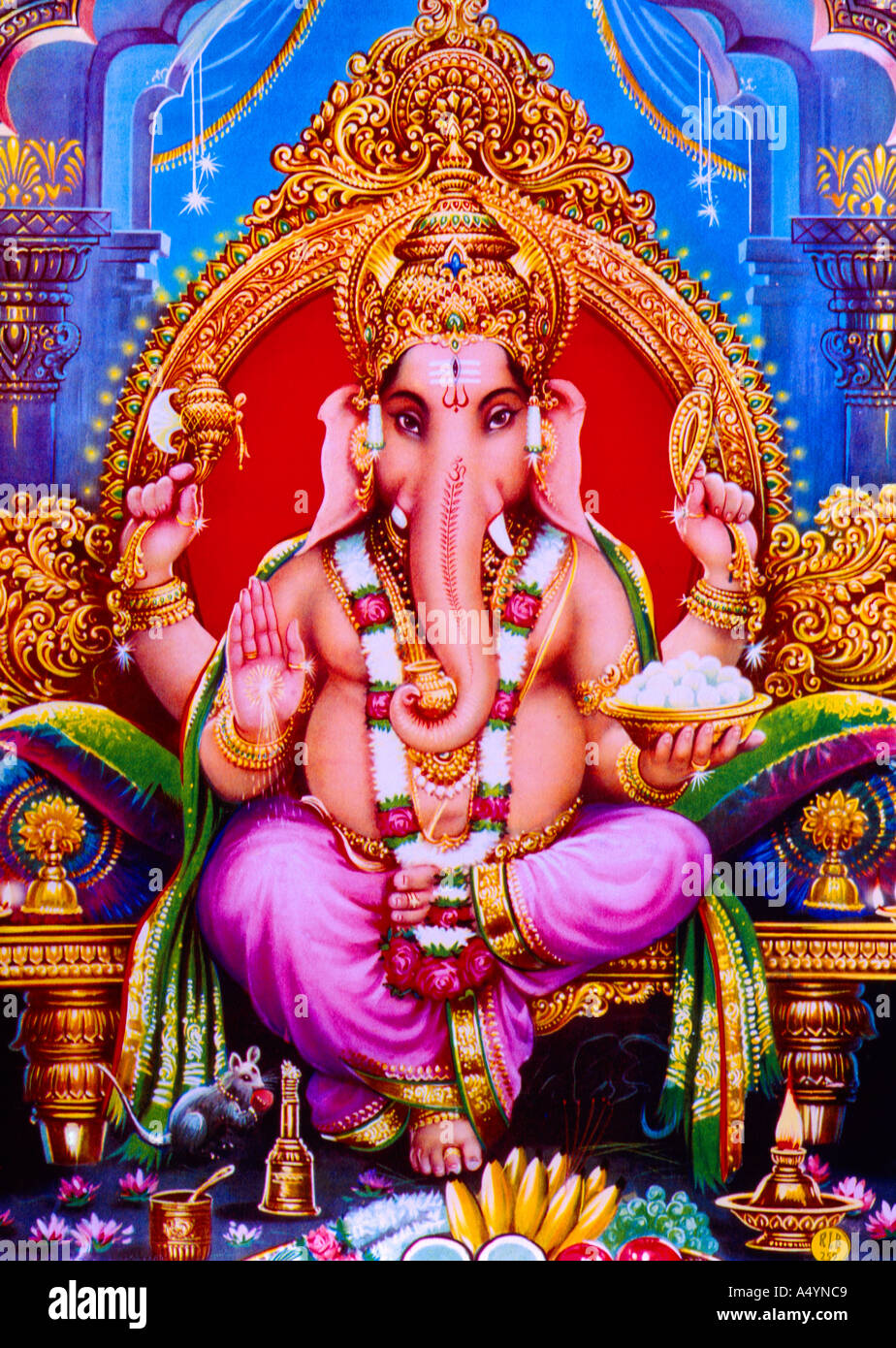
This is the most common form of Ganesha, where he is depicted as a seated figure with a potbelly and a large head adorned with a crown or tiara. He holds a lotus in one hand, a broken tusk in another, and a sweet delicacy called modak in the trunk. This form represents his role as the remover of obstacles and the bestower of auspiciousness.
2. Vakratunda (Curved Trunk):
In this form, Ganesha is depicted with a curved trunk that resembles the shape of a hook. This symbolizes his ability to overcome difficulties and turn adversity into success. He is often associated with business and commerce, and is invoked for help in overcoming challenges and achieving prosperity.
3. Heramba (Lord of the Elephants):
Heramba is a powerful form of Ganesha where he is depicted with five elephant heads. This symbolizes his supreme intellect and wisdom. He is worshipped for protection, strength, and victory in battles.
4. Ekadanta (Single Tusked):
This form of Ganesha has only one tusk, which he broke off in a battle with the demon Gajasura. The missing tusk represents his sacrifice and his ability to overcome any obstacle. He is worshipped for wisdom, knowledge, and the removal of obstacles in education.
5. Ekakshar (Single-Syllabled):
Ekakshar Ganesha is depicted with a single syllable, “Om,” inscribed on his forehead. “Om” is the sacred sound of the universe, and this form of Ganesha represents the ultimate reality and the source of all creation. He is worshipped for spiritual enlightenment and the attainment of knowledge.
6. Dhumravarna (Smoke-Colored):
Dhumravarna Ganesha is a black or smoke-colored form associated with the destructive power of fire. He is worshipped for protection against evil, diseases, and negative forces.
7. Gajanan (Elephant-Faced):
This form of Ganesha emphasizes his elephantine features, particularly his large head and trunk. He is depicted with a peaceful expression and is worshipped for his gentle and benevolent nature.
8. Lambodara (Pot-Bellied):
Lambodara Ganesha is known for his large, pot-like belly. This symbolizes his ability to digest all obstacles and provide nourishment and sustenance to his devotees.
9. Mahaganapati (Great Lord Ganesha):
Mahaganapati is a grand and majestic form of Ganesha, often depicted with multiple arms and weapons. He is worshipped for protection, victory, and the attainment of worldly desires.
10. Bala Ganapati (Baby Ganesha):
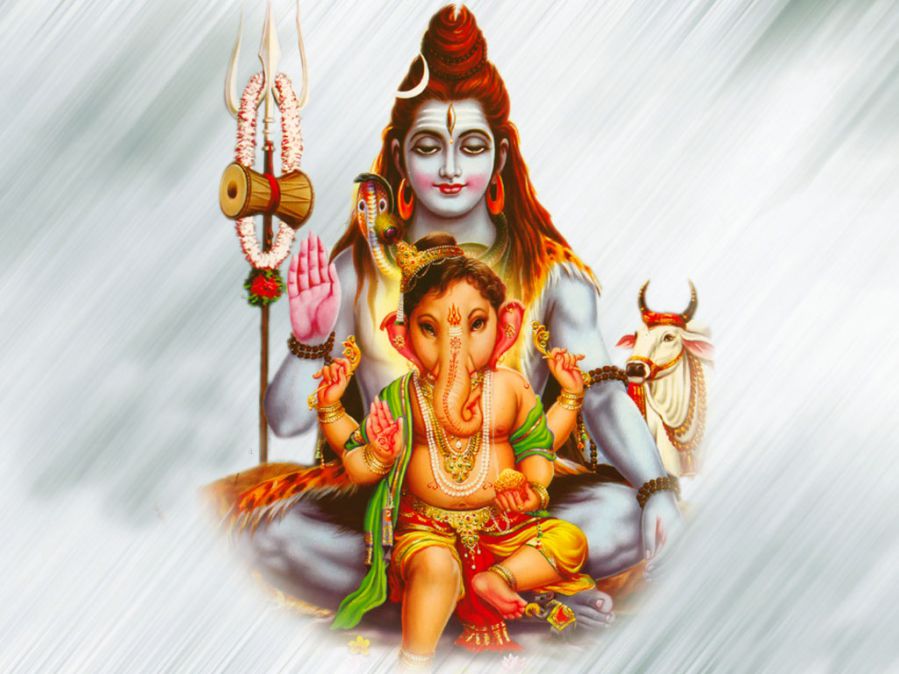
Bala Ganapati is a playful and youthful form of Ganesha. He is depicted as a child, often sitting on his mother Parvati’s lap. This form represents innocence, love, and the joy of new beginnings.
Conclusion:
The many forms of Ganesha reflect his multifaceted nature and his role as a benevolent and powerful god. Whether invoked for removing obstacles, achieving success, or gaining spiritual enlightenment, Ganesha is a beloved deity who continues to inspire and protect his devotees throughout the world.## The Many Forms Of The Hindu God Ganesha: Remover Of Obstacles And Lord Of Beginnings
Executive Summary
This article provides a comprehensive overview of the different forms of the Hindu god Ganesha, exploring his complex iconography and the rich symbolism associated with each incarnation. From his humble beginnings as a child deity to his formidable role as the overcomer of obstacles and the patron of new beginnings, Ganesha’s multifaceted nature embodies the diverse aspects of the divine and the human experience. Through an exploration of his various forms, we delve into the rich tapestry of Hindu mythology and its profound insights into the nature of existence.
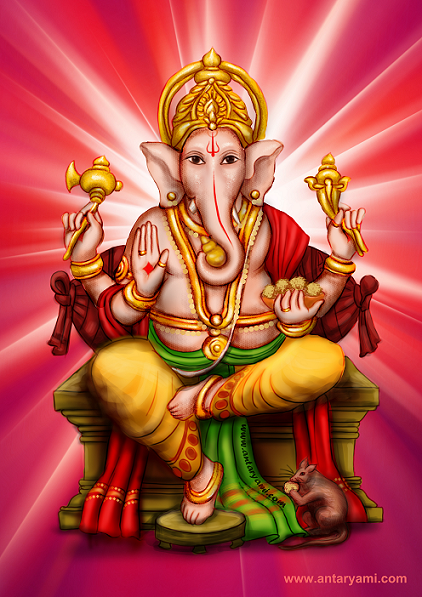
Introduction
Ganesh, the beloved god of Hinduism, holds a unique place in the pantheon of divinities. Revered as the Remover of Obstacles and the Lord of Beginnings, he is widely worshipped across India and beyond. His distinctive elephantine form, adorned with intricate iconography, symbolizes wisdom, strength, and auspiciousness. As we journey through the many incarnations of Ganesha, we uncover the profound meanings embedded within his diverse manifestations, each form reflecting a different aspect of his multifaceted nature.
FAQs
- How is Ganesha depicted in most art and literature?
- What are some of the most common forms of Ganesha?
- What is the significance of the elephant head and other symbolic attributes associated with Ganesha?
Five Forms of Ganesha
Bal Ganesha
- Description: Depicts Ganesha as a chubby, playful child, often seated on a lotus or playing with toys.
- Symbolism: Represents innocence, joy, and the beginnings of new ventures.
- Attributes:
- Large belly, symbolizing abundance and contentment
- Wide eyes, expressing childlike wonder and curiosity
- Playful posture, suggesting the carefree nature of childhood
Mahaganapati
- Description: A grand and imposing form of Ganesha with four arms and a majestic aura.
- Symbolism: Embodies the supreme power and majesty of Ganesha, commanding respect and reverence.
- Attributes:
- Four arms, representing the four directions and his cosmic authority
- Golden complexion, signifying purity and divinity
- Richly adorned with jewels and ornaments, reflecting his opulence and splendor
Ucchishta Ganapati
- Description: A unique form depicted with a pot filled with rice pudding on his belly.
- Symbolism: Represents the removal of obstacles and the fulfillment of desires, particularly related to material wealth.
- Attributes:
- Pot of sweet rice pudding, symbolizing abundance and nourishment
- Relaxed posture, suggesting contentment and satisfaction
- Often accompanied by a mouse or rat, representing his lordship over all creatures
Vighnaharta Ganesha
- Description: A heroic form of Ganesha with six arms, wielding weapons to destroy obstacles.
- Symbolism: Epitomizes Ganesha’s power as the Remover of Obstacles, vanquishing negativity and clearing the path.
- Attributes:
- Six arms, symbolizing his multifaceted abilities and divine power
- Weapons such as an axe, noose, and goad, representing his ability to overcome challenges
- Fierce expression, conveying his determination and strength
Heramba Ganapati
- Description: A formidable form with five elephant heads and ten arms.
- Symbolism: Embodies wisdom, knowledge, and the power to overcome adversity.
- Attributes:
- Five elephant heads, signifying the five elements and his mastery over creation
- Ten arms, representing his ability to handle multiple tasks simultaneously
- Majestic demeanor, exuding authority and wisdom
Conclusion
The myriad forms of Ganesha represent the diverse aspects of the divine and the human experience. From his playful childhood to his majestic authority, from his compassionate presence to his formidable power, each incarnation embodies a unique dimension of his multifaceted nature. By understanding the significance of these forms, we gain a deeper appreciation for the richness of Hindu mythology and its profound insights into the nature of existence. Ganesha, the Remover of Obstacles and the Lord of Beginnings, continues to inspire and guide countless devotees, offering hope, protection, and the promise of a successful journey through life’s challenges.
Keywords
- Ganesha
- Hindu mythology
- Elephant-headed god
- Remover of Obstacles
- Lord of Beginnings