Importance of Yajna: Ritual Sacrifice and Offering in Hinduism
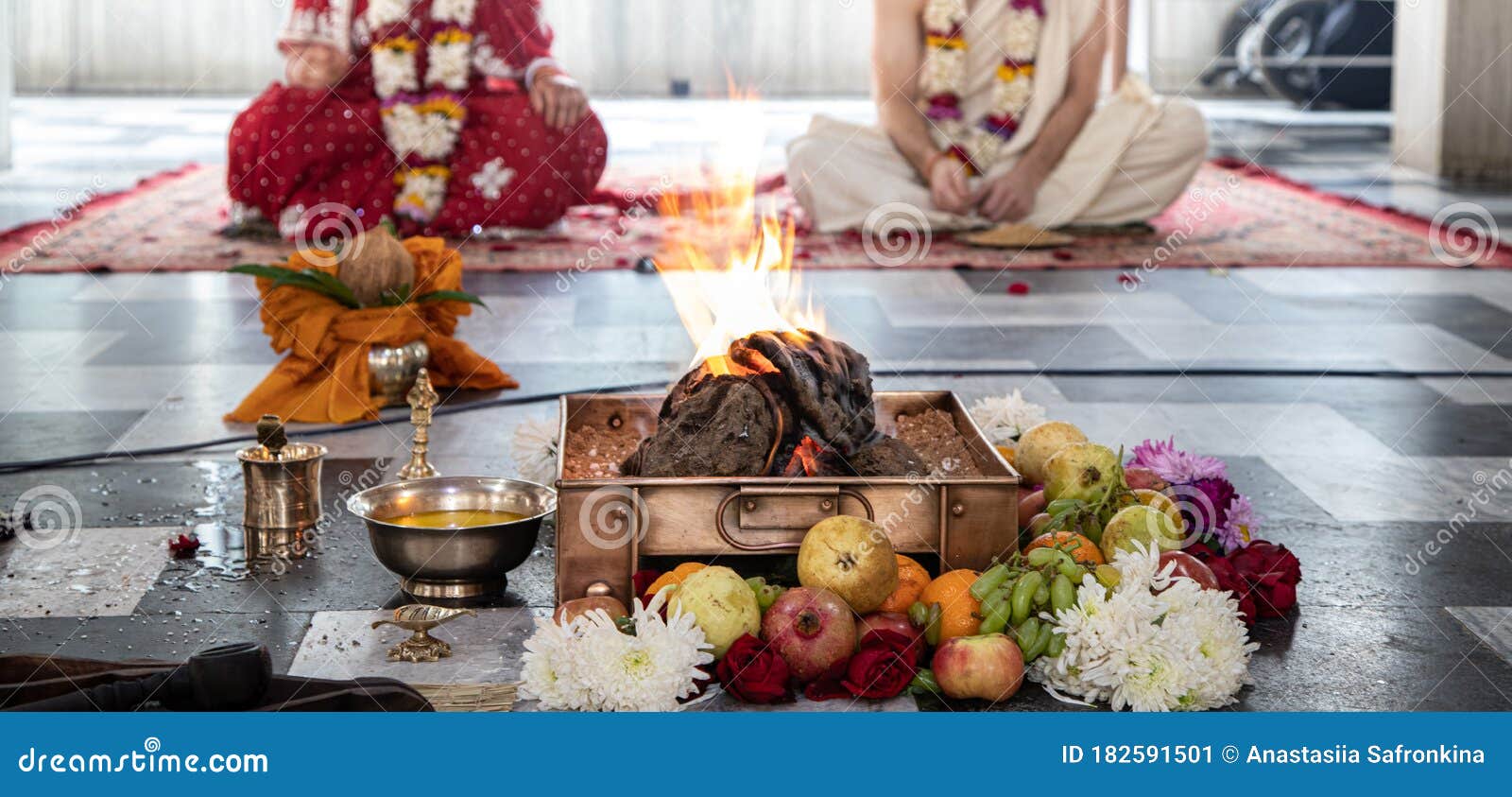
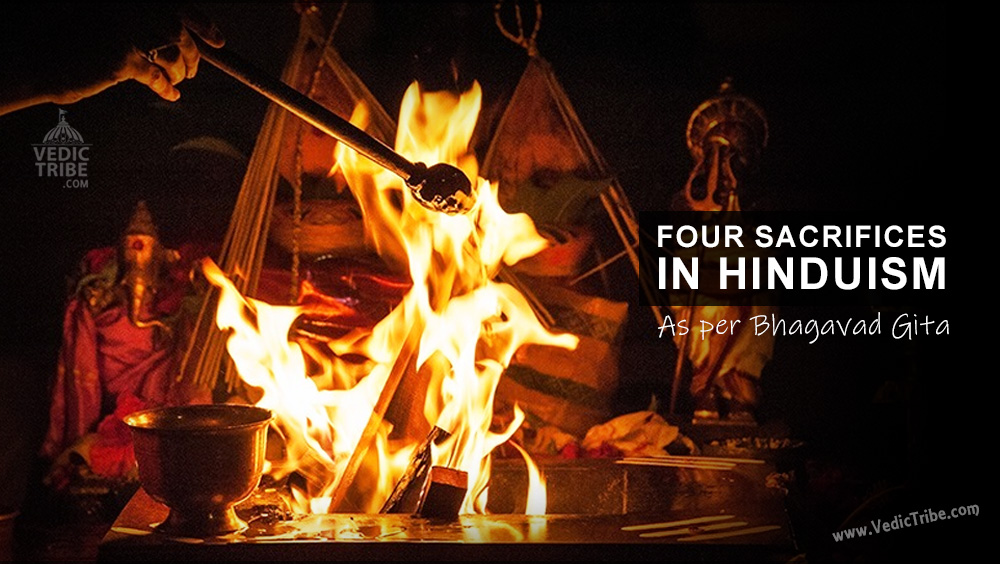
Yajna, also known as homa or havan, is a sacred ritual sacrifice and offering that plays a significant role in Hinduism. It is a complex ceremony involving the offering of various materials, including ghee, grains, herbs, and other natural substances, into a consecrated fire.
Historical Roots
The concept of yajna can be traced back to the ancient Vedic texts, such as the Rig Veda. In Vedic times, yajnas were primarily performed to appease the gods and seek their blessings for material prosperity, good health, and victory in battle.
Spiritual Significance
In Hinduism, yajna is not merely a physical act of sacrifice but holds profound spiritual significance. It is believed to be a way to connect with the divine, purify the mind and body, and attain spiritual liberation.
Types of Yajnas
There are numerous types of yajnas, each with its specific purpose and ritualistic details. Some of the most common types include:
- Agnihotra: A daily offering of ghee into a sacred fire.
- Somayaga: A major Vedic ritual involving the offering of soma, an intoxicating drink.
- Rudrayaga: A ritual dedicated to Lord Shiva.
- Vishnu Yaga: A ritual dedicated to Lord Vishnu.
- Chandi Homa: A ritual dedicated to Goddess Durga.
Role in Rituals
Yajnas are integral to many Hindu rituals and ceremonies, including:
- Weddings: To invoke blessings for a happy and prosperous marriage.
- Birth ceremonies: To celebrate the birth of a child and to seek blessings for its well-being.
- Death rituals: To help the deceased attain a peaceful afterlife.
- Temple worship: As an act of devotion and purification.
Benefits of Performing Yajna
Hindus believe that performing yajna brings numerous benefits, including:
- Purification: Yajna is believed to purify the mind, body, and environment.
- Spiritual elevation: It is said to connect the performer with the divine and promote spiritual growth.
- Fulfillment of desires: Many Hindus believe that performing yajnas can help fulfill their material and spiritual desires.
- Protection from evil: Yajna is believed to provide protection from negative energies and misfortunes.
- Environmental harmony: The offerings made during yajna are believed to benefit the environment and maintain ecological balance.
Contemporary Relevance
While the practice of yajna has evolved over time, it continues to hold significant importance in modern Hinduism. Many Hindus still perform yajnas as a way to connect with their faith, seek divine blessings, and foster a sense of spiritual well-being.## The Importance Of Yajna: Ritual Sacrifice And Offering In Hinduism
Executive Summary
Yajna is a sacred ritual in Hinduism that involves offerings and sacrifices made to deities. It plays a crucial role in maintaining the cosmic balance and bestowing blessings upon devotees. This comprehensive article explores the significance of Yajna, delving into its history, types, and benefits, providing a deeper understanding of this ancient practice.
Introduction
Yajna, an integral part of Hindu tradition, has been practiced for centuries as a means of spiritual purification, divine connection, and cosmic balance. It encompasses a wide range of rituals and offerings, serving as a bridge between the mortal world and the divine realm. The significance of Yajna extends beyond religious practices, influencing various aspects of life, including ecology, health, and societal well-being.
FAQs
-
What is the purpose of Yajna?
Yajna is primarily conducted to express gratitude, seek blessings, and maintain the cosmic order. It facilitates communication with deities, helps purify the environment, and promotes harmony within the community. -
What are the different types of Yajna?
There are numerous types of Yajna, each with specific purposes and rituals. Some prominent types include Agnihotra, Rudra Yajna, Vishnu Yajna, and Soma Yajna. -
What are the benefits of performing Yajna?
Yajna is believed to bestow various benefits, including spiritual purification, fulfillment of desires, environmental purification, and societal well-being. It can also promote physical and mental health, enhance relationships, and bring peace and prosperity.
Subtopics
Historical Significance
Yajna finds its roots in ancient Vedic texts. The Rig Veda, the oldest of the Vedas, mentions various forms of Yajna as a means of connecting with the divine and seeking protection from evil forces. Yajna has continued to play a vital role in Hindu society throughout history, evolving in its practices and significance over time.
Types Of Yajna
There are numerous types of Yajna, each dedicated to specific deities or purposes. Some common types include:
- Agnihotra: A daily ritual performed twice a day, offering ghee into a sacred fire. It is a simple and accessible form of Yajna, promoting purification and well-being.
- Rudra Yajna: A powerful ritual associated with Lord Shiva, intended to appease his wrath, remove obstacles, and bestow blessings.
- Vishnu Yajna: Dedicated to Lord Vishnu, this Yajna is performed to seek protection, prosperity, and spiritual advancement.
- Soma Yajna: An elaborate ritual involving the use of Soma, an intoxicating drink, to invoke divine presence and attain higher states of consciousness.
Ritualistic Process
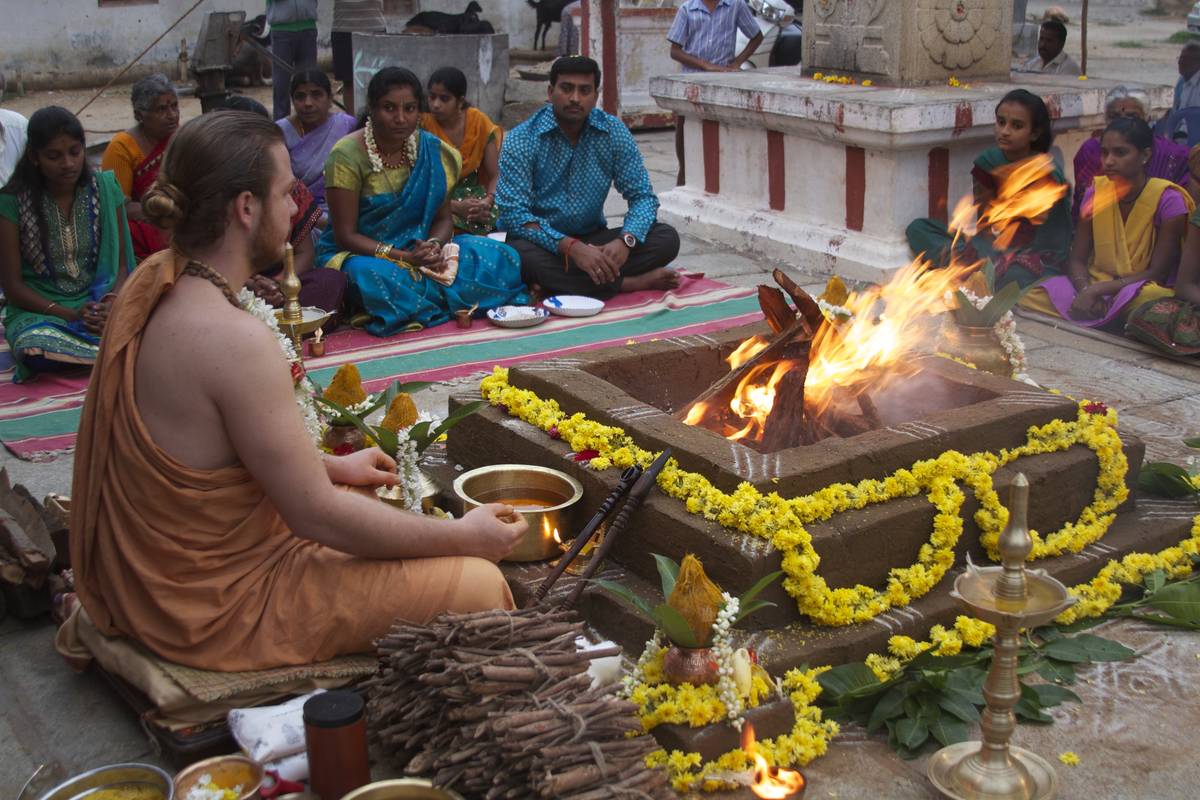
The performance of Yajna involves a series of ritualistic steps, guided by ancient scriptures. Key elements include:
- Preparation: The Yajna site is prepared with a sacred fire, altars, and offerings.
- Invocation: Deities are invoked with Vedic mantras and prayers, establishing a connection between the participants and the divine.
- Offering: Various offerings, such as ghee, grains, flowers, and fruits, are made into the sacred fire.
- Chanting: Vedic hymns and mantras are chanted throughout the ritual, creating a sacred atmosphere and intensifying the connection with deities.
- Conclusion: The ritual culminates with the distribution of prasad (blessed food) and blessings, fostering a sense of community and spiritual upliftment.
Benefits Of Yajna
Yajna is believed to bestow a multitude of benefits, both spiritual and practical. Some key benefits include:
- Spiritual Purification: Yajna helps purify the mind and soul, removing negative energies and promoting spiritual growth.
- Fulfillment Of Desires: By offering prayers and seeking blessings, devotees can align their intentions with divine forces and increase the likelihood of their desires being fulfilled.
- Environmental Purification: Yajna is believed to release positive energies into the environment, purifying the atmosphere and promoting ecological balance.
- Societal Well-being: Yajna fosters a sense of community and harmony, bringing people together for a common purpose and promoting societal well-being.
- Physical And Mental Health: The sacred atmosphere and positive energies generated during Yajna can have beneficial effects on physical and mental health, reducing stress, promoting relaxation, and enhancing overall well-being.
Conclusion
Yajna is a sacred ritual that holds immense significance in Hinduism. Its origins can be traced back to ancient times, and its practices have evolved over centuries. The performance of Yajna involves a ritualistic process of invocation, offering, chanting, and conclusion, each step contributing to a deeper connection with the divine and fostering spiritual growth. The benefits of Yajna are multifaceted, ranging from spiritual purification and fulfillment of desires to environmental purification and societal well-being. Understanding the history, types, and benefits of Yajna provides a deeper appreciation of this ancient practice and its enduring relevance in contemporary Hinduism.
Keyword Tags
- Yajna
- Ritual Sacrifice
- Offering
- Hinduism
- Cosmic Balance