The Influence of Karma on Hindu Art and Literature
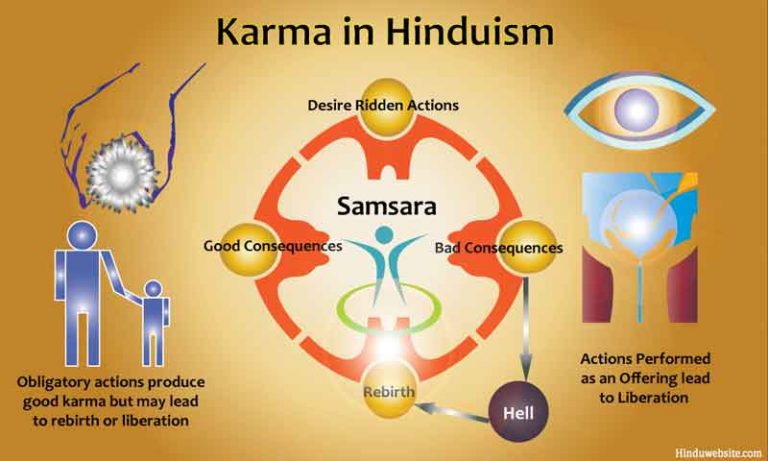
Karma is a central concept in Hinduism, referring to the belief that an individual’s actions determine their destiny. It is believed that every action, whether good or bad, has consequences that will impact a person’s present and future life. This concept has had a profound influence on Hindu art and literature throughout history.
Art
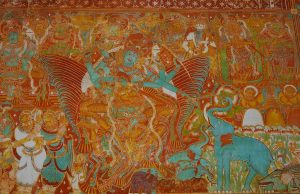
- Depiction of Past Lives: Hindu art often portrays scenes from individuals’ past lives, illustrating the consequences of their actions. For example, images of a person being punished in hell for sinful deeds in a previous life serve as a warning to viewers to avoid negative actions.
- Symbolic Representations: Karma is also represented symbolically in Hindu art. The lotus flower, which emerges from murky waters to bloom beautifully, represents the ability of individuals to overcome past negative actions and achieve spiritual enlightenment.
- Artistic Motifs: The wheel, a common motif in Hindu art, represents the cycle of birth, death, and rebirth. The rotation of the wheel symbolizes the constant interplay of cause and effect, and the need to break free from this cycle through spiritual practices.
Literature
- Ancient Texts: The Vedas, the oldest Hindu scriptures, extensively discuss the concept of karma. They emphasize the importance of ethical conduct and warn of the consequences of negative actions.
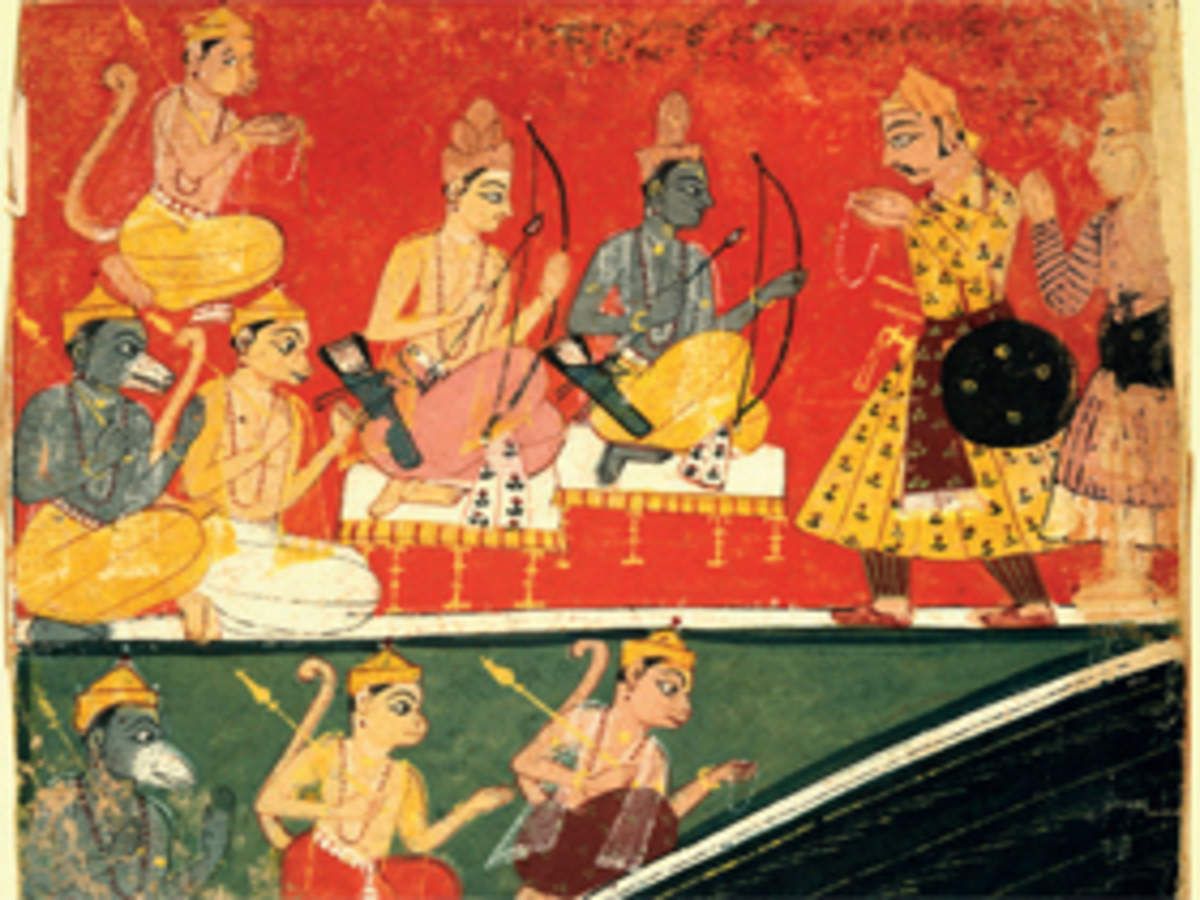
- Epics and Puranas: The Mahabharata and Ramayana, two major Hindu epics, explore the themes of karma in great detail. The stories of these epic heroes illustrate the rewards of righteous actions and the consequences of evil deeds.
- Moral Tales and Fables: Hindu literature is replete with moral tales and fables that teach children about the importance of karma. These stories often feature characters who face the consequences of their actions, either good or bad.
- Religious Texts: The Bhagavad Gita, one of the most important religious texts in Hinduism, provides detailed insights into karma and its role in the path to spiritual liberation.
The influence of karma on Hindu art and literature has shaped the way Hindus view their lives and their actions. Through visual representations and literary narratives, Hindu art and literature constantly remind individuals of the interconnectedness of their past, present, and future, and the need to strive for ethical conduct to avoid negative consequences and achieve spiritual growth.## The Influence Of Karma On Hindu Art And Literature
Executive Summary
Karma, a central concept in Hinduism, has profoundly shaped Hindu art and literature. This essay explores the diverse ways in which karma’s principles and teachings are reflected in these creative expressions. Through the depiction of gods, goddesses, and human characters, as well as the exploration of ethical themes and the consequences of actions, Hindu art and literature convey the belief in the interconnectedness of cause and effect and the importance of ethical living.
Introduction
Karma, meaning “action” or “deed,” is a fundamental principle in Hinduism. It refers to the belief that one’s actions have consequences, both in this life and in future lives. This doctrine has significantly influenced Hindu art and literature, providing a framework for understanding the human experience and the interconnectedness of all beings.
FAQs
-
What is karma?
- Karma is the principle in Hinduism that every action has an effect or consequence.
-
How does karma influence Hindu art?
- Hindu art often depicts scenes and characters that reflect the principles of karma, such as the rewards of virtuous behavior and the consequences of wrongdoing.
-
What are the different types of karma?
- Three main types of karma are Prarabdha karma (accumulated from past lives), Sanchita karma (unresolved karma from past lives), and Kriyamana karma (karma accrued in the present life).
Subtopics
Depiction of Karma
- Gods and Goddesses: Hindu gods and goddesses are often portrayed as embodiments of karma. For example, Yama, the god of death, is associated with the consequences of one’s actions.
- Divine Justice: Karma’s principles are often embodied in stories of divine justice. For instance, the epic tale of the Mahabharata recounts the consequences of both virtuous and evil actions.
- Ethical Teachings: Hindu art conveys ethical teachings through the depiction of characters and situations that illustrate the consequences of right and wrong actions.
Literary Explorations
- Narrative Structure: Many Hindu literary works, such as epics and Puranas, are structured around the principle of karma. They chronicle the consequences of characters’ actions across multiple lifetimes.
- Ethical Dilemmas: Hindu literature often explores ethical dilemmas and the moral choices faced by individuals. These dilemmas highlight the importance of understanding the consequences of one’s actions.
- The Cycle of Rebirth: Hindu literature emphasizes the belief in the cycle of rebirth and the karmic connections that carry over from one life to the next.
Characterization
- Dharmic Characters: Virtuous characters who embody the principles of dharma (righteousness) often receive positive consequences for their actions.
- Adharmic Characters: Evil or unjust characters face negative consequences for their actions, illustrating the retributive nature of karma.
- Complex Characters: Some Hindu literary characters are complex and multifaceted, displaying both virtuous and evil traits, reflecting the complexity of human nature and the multifaceted consequences of actions.
Iconography and Symbolism
- Sacred Objects: Objects such as the lotus and the conch shell are often used as symbols of karma and rebirth.
- Animal Imagery: Animals can represent specific karmic consequences. For example, the monkey symbolizes agility and trickery, qualities associated with certain types of karma.
- Architectural Significance: Temples and other sacred structures are often designed to reflect the principles of karma, such as the emphasis on balance and order.
Rituals and Ceremonies
- Dharma Sastras: Religious texts outline the rituals and ceremonies that are believed to influence one’s karma.
- Prayer and Meditation: Devotional practices such as prayer and meditation are believed to cultivate positive karma by purifying the mind and intentions.
- Yajnas and Homas: Sacrificial rituals, such as yajnas and homas, are performed to appease deities and gain favorable karma.
Conclusion
Karma, a fundamental principle in Hinduism, has deeply influenced Hindu art and literature. Through the depiction of gods, goddesses, and human characters, as well as the exploration of ethical themes and the consequences of actions, Hindu creative expressions convey the belief in the interconnectedness of cause and effect and the importance of ethical living. By understanding the influence of karma on these art forms, we gain a deeper appreciation for the richness and complexity of Hindu culture and thought.
Keyword Tags
- Karma
- Hindu Art
- Hindu Literature
- Ethics
- Rebirth