The Four Main Paths of Hinduism
Karma Yoga: The Path of Action
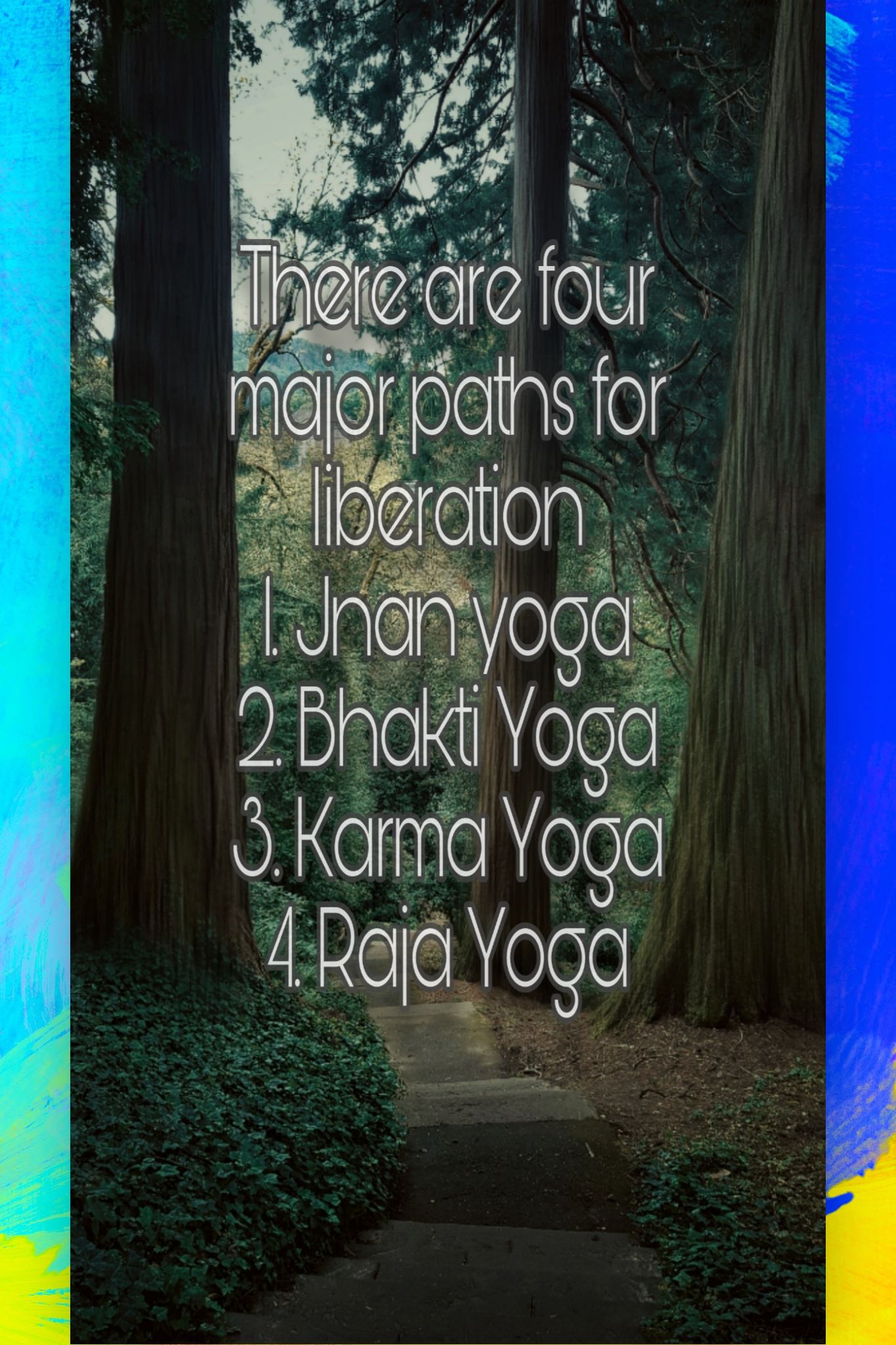
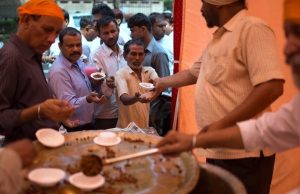
Karma Yoga is the path of selfless action. It teaches that we should perform our duties without attachment to the results. By acting without selfish motives, we can purify our hearts and minds, and ultimately attain liberation.
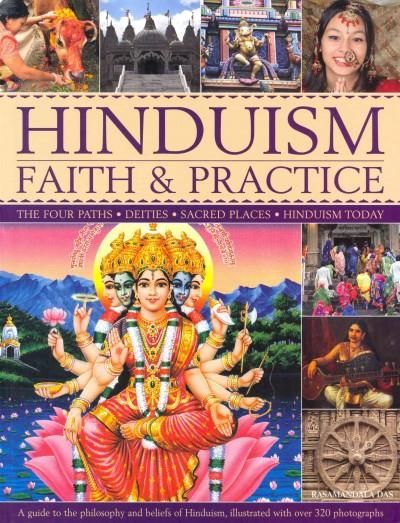
Bhakti Yoga: The Path of Devotion
Bhakti Yoga is the path of devotion. It teaches that we should love and worship God with all our hearts. By surrendering ourselves to God, we can experience his love and grace, and ultimately attain salvation.
Jnana Yoga: The Path of Knowledge
Jnana Yoga is the path of knowledge. It teaches that we should seek to understand the true nature of reality. By studying the scriptures and meditating on the nature of the self, we can gain wisdom and liberation.
Raja Yoga: The Path of Meditation
Raja Yoga is the path of meditation. It teaches that we should control our minds and bodies through meditation. By practicing meditation, we can achieve inner peace and tranquility, and ultimately attain enlightenment.## Executive Summary
Hinduism, one of the oldest major religions in the world, encompasses a vast and diverse set of beliefs, practices, and philosophies. At its core, Hinduism recognizes the divine within all living beings and seeks to cultivate spiritual growth and liberation from suffering. This article explores the four main paths of Hinduism, each offering a unique approach to spiritual realization.
Introduction
Hinduism is a complex and multifaceted religion that has evolved over centuries, incorporating elements from various cultures and traditions. Despite its diversity, Hinduism shares a common foundation based on the Vedas, ancient scriptures that contain the core principles of the religion.
FAQs
Q: What is the ultimate goal of Hinduism?
A: The ultimate goal of Hinduism is moksha, liberation from the cycle of birth and rebirth and the attainment of spiritual enlightenment.
Q: Are there different paths to moksha in Hinduism?
A: Yes, Hinduism recognizes four main paths to moksha: karma yoga, bhakti yoga, raja yoga, and jnana yoga.
Q: Which path is the “right” path for me?
A: The choice of which path to follow depends on an individual’s temperament, inclinations, and circumstances. There is no one “right” path, and practitioners may choose to focus on one or more paths simultaneously.
The Four Main Paths of Hinduism
Karma Yoga: The Path of Action
- Focuses on the performance of selfless actions without attachment to the outcome.
- Through karma yoga, practitioners aim to cultivate detachment, purify their minds, and serve others.
- Important aspects:
- Dharma: Right action in accordance with one’s nature and duty.
- Seva: Selfless service to society.
- Nishkama Karma: Action without desire for personal reward.
- Artha: Fulfillment of material and social responsibilities.
- Kama: Fulfillment of legitimate desires in moderation.
Bhakti Yoga: The Path of Devotion
- Emphasizes devotion to a personal deity or guru.
- Through bhakti yoga, practitioners aim to develop unconditional love for their chosen deity and surrender to its will.
- Important aspects:
- Ishta Devata: The chosen deity or guru.
- Stotra: Hymns and prayers to the deity.
- Puja: Ritual worship of the deity.
- Japa: Repetitive chanting of the deity’s name or mantra.
- Satsang: Association with other devotees.
Raja Yoga: The Path of Meditation
- Focuses on disciplining the mind and achieving spiritual enlightenment through meditation.
- Raja yoga is considered the most direct and rigorous path to moksha.
- Important aspects:
- Asana: Physical postures that prepare the body for meditation.
- Pranayama: Breath control to calm the mind and body.
- Pratyahara: Withdrawal of the senses from external distractions.
- Dharana: Concentration on a specific object or thought.
- Dhyana: Meditative absorption in the object or thought.
Jnana Yoga: The Path of Knowledge
- Emphasizes the cultivation of wisdom and insight into the nature of reality.
- Jnana yoga is often pursued by intellectuals and scholars.
- Important aspects:
- Advaita Vedanta: Non-duality and the unity of all beings.
- Brahman: The ultimate reality, the source of all existence.
- Maya: The illusion or duality that creates the appearance of separation.
- Atman: The true self, which is identical to Brahman.
- Scriptures: Study of sacred Hindu texts to gain knowledge.
Conclusion
The four main paths of Hinduism provide a diverse and comprehensive approach to spiritual realization. Each path is unique in its focus and disciplines, offering individuals a choice tailored to their temperament and aspirations. Whether through selfless action, devotion, meditation, or wisdom, the ultimate goal of Hinduism remains the same: liberation from suffering and the attainment of eternal bliss.
Keyword Tags
- Hinduism
- Karma Yoga
- Bhakti Yoga
- Raja Yoga
- Jnana Yoga