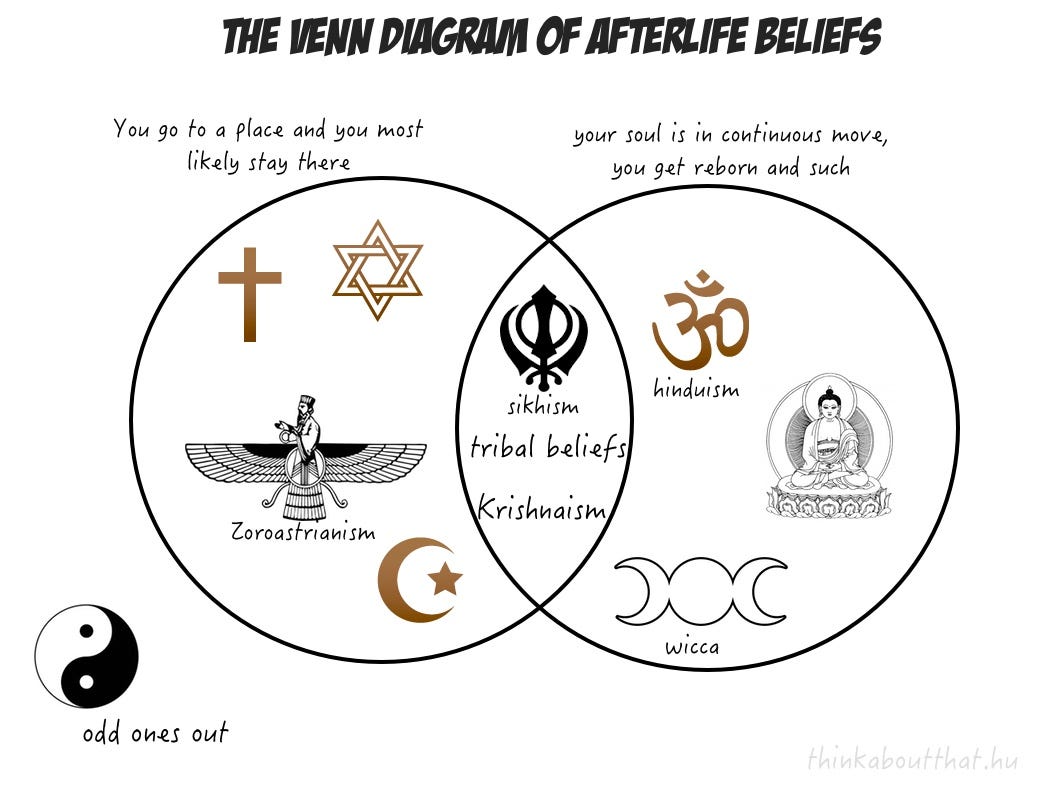
The Hindu Belief in the Eternal Soul: Implications for Life and Afterlife
Introduction
Hinduism, one of the world’s oldest religions, has a profound belief in the existence of an eternal soul, known as the Atman. This belief underpins the Hindu worldview and has significant implications for how Hindus approach life and the afterlife.
The Nature of the Soul
According to Hindu doctrine, the Atman is the true and immutable essence of each individual. It is distinct from the physical body and mind, and it survives the death of the body. The Atman is often described as a spark of the divine, a fragment of God within each human being.
Implications for Life
The belief in an eternal soul has several profound implications for how Hindus live their lives:
- Detachment from Material Possessions: Knowing that the soul is eternal and unaffected by material possessions, Hindus strive to live a life of detachment. They believe that excessive attachment to worldly desires leads to suffering and binds the soul to the cycle of birth and death.
- Non-Violence (Ahimsa): The belief in the sanctity of all souls, including animals, fosters a strong commitment to non-violence. Hindus believe that every creature has an eternal soul and should be treated with respect and compassion.
- Dharma: Dharma is the path of righteousness that guides a Hindu’s actions. Hindus believe that living a virtuous life in accordance with Dharma helps refine the soul and prepare it for the afterlife.
The Cycle of Rebirth
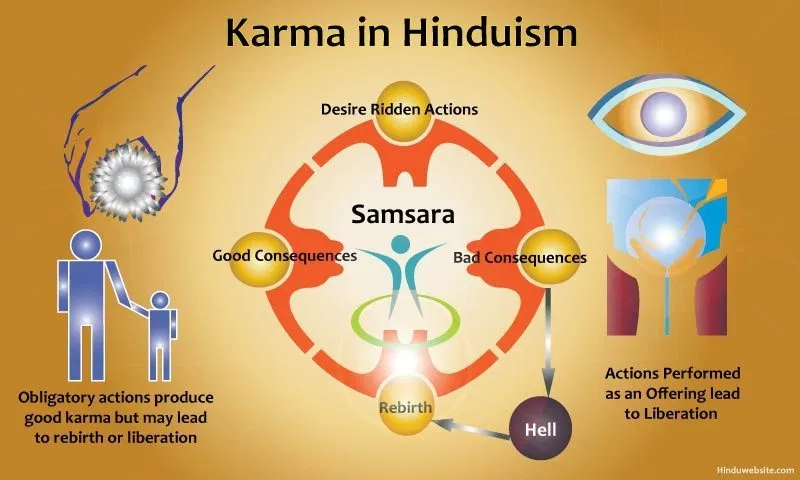
Hindus believe in the cycle of birth, death, and rebirth (samsara). They believe that the soul, after the death of the body, takes on a new physical form, depending on its karma. Karma is the sum total of a person’s actions and intentions, and it determines the circumstances of their future lives.
Moksha: Liberation from the Cycle
The ultimate goal of a Hindu’s life is to achieve liberation from the cycle of rebirth (moksha). This is achieved through the gradual purification of the soul through spiritual practices, such as meditation, yoga, and selfless service.
Implications for the Afterlife
The belief in an eternal soul and the cycle of rebirth has significant implications for Hindus’ understanding of the afterlife:
- Heaven and Hell: Hindus believe in different levels of heaven and hell, where souls experience the consequences of their karma. However, these realms are not permanent, and the soul continues to reincarnate until it achieves moksha.
- Ancestral Spirits: Hindus believe that their ancestors continue to exist as spirits after death. They perform rituals and prayers to honor and communicate with their ancestors, who are believed to be able to influence the lives of the living.
- Reincarnation: The belief in reincarnation allows Hindus to make sense of suffering and injustice in the world. They believe that the circumstances of their lives are the result of past actions, and that they have the opportunity to improve their karma in this life to create a better future for themselves.
Conclusion
The Hindu belief in the eternal soul is central to the religion’s worldview and has profound implications for how Hindus live their lives and understand the afterlife. It fosters detachment from material possessions, non-violence, and a commitment to living a righteous life. Ultimately, the goal of a Hindu’s life is to achieve liberation from the cycle of rebirth and experience the eternal bliss of the divine.## The Hindu Belief In The Eternal Soul: Implications For Life And Afterlife
Executive Summary
Hinduism, one of the world’s oldest and most complex religions, holds the belief in an eternal soul as a central tenet. This belief has profound implications for how Hindus live their lives and view the afterlife. This article explores the Hindu concept of the eternal soul, its journey through life and death, and the ethical and spiritual implications of this belief.
Introduction
The Hindu belief in the eternal soul is rooted in the concept of reincarnation, the idea that the soul is reborn into a new body after death. This cycle of birth, death, and rebirth is believed to continue until the soul achieves moksha, or liberation from the cycle of samsara. The belief in an eternal soul provides Hindus with a sense of purpose and meaning in life, as well as hope for a better future after death.
FAQs
-
What is the nature of the eternal soul?
-
The eternal soul is believed to be a pure, unchanging essence that resides within each individual. It is not affected by the physical body or the experiences of life.
-
What happens to the soul after death?
-
After death, the soul is believed to leave the body and travel to the astral plane, where it awaits reincarnation. The destination of the soul in the astral plane is determined by karma, the sum of one’s actions and intentions in life.
-
What is the goal of life for Hindus?
-
The ultimate goal of life for Hindus is to achieve moksha, or liberation from the cycle of rebirth. This can be achieved through spiritual practices such as meditation, yoga, and selfless service.
Subtopics
Karma and Reincarnation
- Karma: Karma is the sum of one’s actions and intentions in life. It determines the quality of one’s life experiences and the destination of the soul after death.
- Reincarnation: The eternal soul is believed to be reborn into a new body after death. The type of body the soul is reborn into is determined by karma.
- Moksha: The ultimate goal of life for Hindus is to achieve moksha, or liberation from the cycle of rebirth. This can be achieved through spiritual practices and good karma.
The Four Vedas
- Rig Veda: The oldest and most important of the four Vedas. It contains hymns and prayers to the gods.
- Sama Veda: A collection of chants used in religious rituals.
- Yajur Veda: A collection of sacrificial formulas and rituals.
- Atharva Veda: A collection of spells and incantations used for healing and protection.
The Bhagavad Gita
- The Bhagavad Gita: A sacred text that is part of the epic Mahabharata. It contains the teachings of Lord Krishna to Arjuna on dharma, karma, and the nature of the soul.
- Dharma: The righteous path or duty that one must follow in life.
- Bhakti: Devotion to God.
- Jnana: Knowledge of the true nature of reality.
Yoga and Meditation
- Yoga: A system of physical and mental practices that aim to bring about union with the divine.
- Meditation: A practice that involves focusing the mind on a single object or thought.
- Samadhi: The highest state of meditation, in which the mind becomes one with the object of meditation.
The Caste System
- The Caste System: A social hierarchy that divides society into four main castes: Brahmins, Kshatriyas, Vaishyas, and Shudras.
- Varna: The caste to which one is born.
- Ashrama: The four stages of life: student, householder, forest-dweller, and renunciate.
- Dharma: The religious and social duties that one must fulfill according to their caste and ashrama.
Conclusion
The Hindu belief in the eternal soul is a complex and multifaceted concept that has profound implications for how Hindus live their lives and view the afterlife. This belief provides Hindus with a sense of purpose and meaning in life, as well as hope for a better future after death. Through spiritual practices such as yoga, meditation, and selfless service, Hindus strive to achieve moksha, or liberation from the cycle of rebirth.
Keyword Tags
- Eternal Soul
- Reincarnation
- Karma
- Hinduism
- Moksha