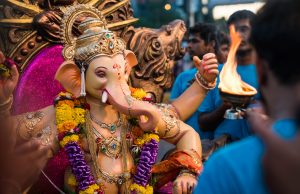
Unraveling the Mysteries: Exploring the Hidden Gems of Hindu Pilgrimage Sites
Executive Summary
Hindu pilgrimage sites hold profound spiritual significance and allure pilgrims from around the globe. These sacred destinations offer a transformative journey through ancient traditions, breathtaking architecture, and a deep connection to the divine. Exploring these hidden gems unveils a rich tapestry of cultural heritage, spirituality, and architectural marvels.
Introduction
Hinduism, a vibrant and diverse faith, has a rich tradition of pilgrimages. Devotees embark on journeys to sacred sites, seeking blessings, spiritual growth, and a connection to their deities. From the towering Himalayas to the serene shores of South India, India is adorned with numerous pilgrimage destinations, each with unique customs, rituals, and architectural wonders.
FAQs
- What are the most popular Hindu pilgrimage sites?
- Varanasi, Haridwar, Rishikesh, Kedarnath, Badrinath, Rameshwaram, Madurai, Tirupati, Ujjain, and Puri.
- What is the significance of these sites?
- They are associated with deities, mythological events, ancient sages, and holy rivers.
- Can non-Hindus visit these sites?
- Yes, most sites welcome visitors of all faiths and backgrounds.
Top 5 Subtopics
Varanasi
- Significance: Considered the holiest city in Hinduism, sacred to Lord Shiva.
- Important Elements:
- Ghats: Ritual bathing along the Ganges River.
- Kashi Vishwanath Temple: Dedicated to Lord Shiva, one of the 12 Jyotirlingas.
- Ganga Aarti: Evening prayer ceremony on the riverfront.
Haridwar
- Significance: Gateway to the Himalayas, where the Ganges descends onto the plains.
- Important Elements:
- Har Ki Pauri: Sacred bathing spot on the Ganges.
- Chandi Devi Temple: Perched on a hilltop, offering panoramic views.
- Kumbh Mela: One of the largest religious gatherings in the world.
Rameshwaram
- Significance: Southernmost pilgrimage site, believed to be where Lord Rama built a bridge to Sri Lanka.
- Important Elements:
- Ramanathaswamy Temple: Dedicated to Lord Shiva, one of the 12 Jyotirlingas.
- Agni Theertham: Sacred bathing spot in the Indian Ocean.
- Floating stones: Believed to have been used by Lord Rama in the construction of the bridge.
Tirupati
- Significance: Abode of Lord Venkateswara, one of the most popular Hindu deities.
- Important Elements:
- Sri Venkateswara Swamy Temple: Perched on a hilltop, attracting millions of pilgrims annually.
- Seven Hills: Surround the temple, each associated with a different deity.
- Kalyana Utsavam: Annual festival celebrating the marriage of Lord Venkateswara.
Kedarnath
- Significance: Located in the Himalayas, sacred to Lord Shiva and is considered one of the holiest Char Dhams.
- Important Elements:
- Kedarnath Temple: Dedicated to Lord Shiva, one of the 12 Jyotirlingas.
- Trek to the temple: Picturesque and challenging pilgrimage through the mountains.
- Panch Kedar: Group of five temples associated with Lord Shiva in the Himalayas.
Conclusion
Hindu pilgrimage sites offer an immersive spiritual experience that transcends religious boundaries. They are a testament to the architectural genius, cultural heritage, and unwavering faith of the Hindu tradition. Embarking on a journey to these sacred destinations is a transformative endeavor that connects pilgrims with their deities, enriches their understanding of spirituality, and leaves an enduring mark on their souls.
Keyword Tags
- Hindu pilgrimage sites
- Varanasi
- Haridwar
- Rameshwaram
- Tirupati
- Kedarnath