
From Sati to Social Reform: A Look at Historical Challenges Faced by Hindu Women
Hindu women have played a significant role in shaping the history and culture of India. However, they have also faced numerous challenges, including the practice of sati, child marriage, and lack of education. In the 19th and 20th centuries, a number of social reformers worked to improve the lives of Hindu women, and their efforts led to important changes in Hindu society.
Sati
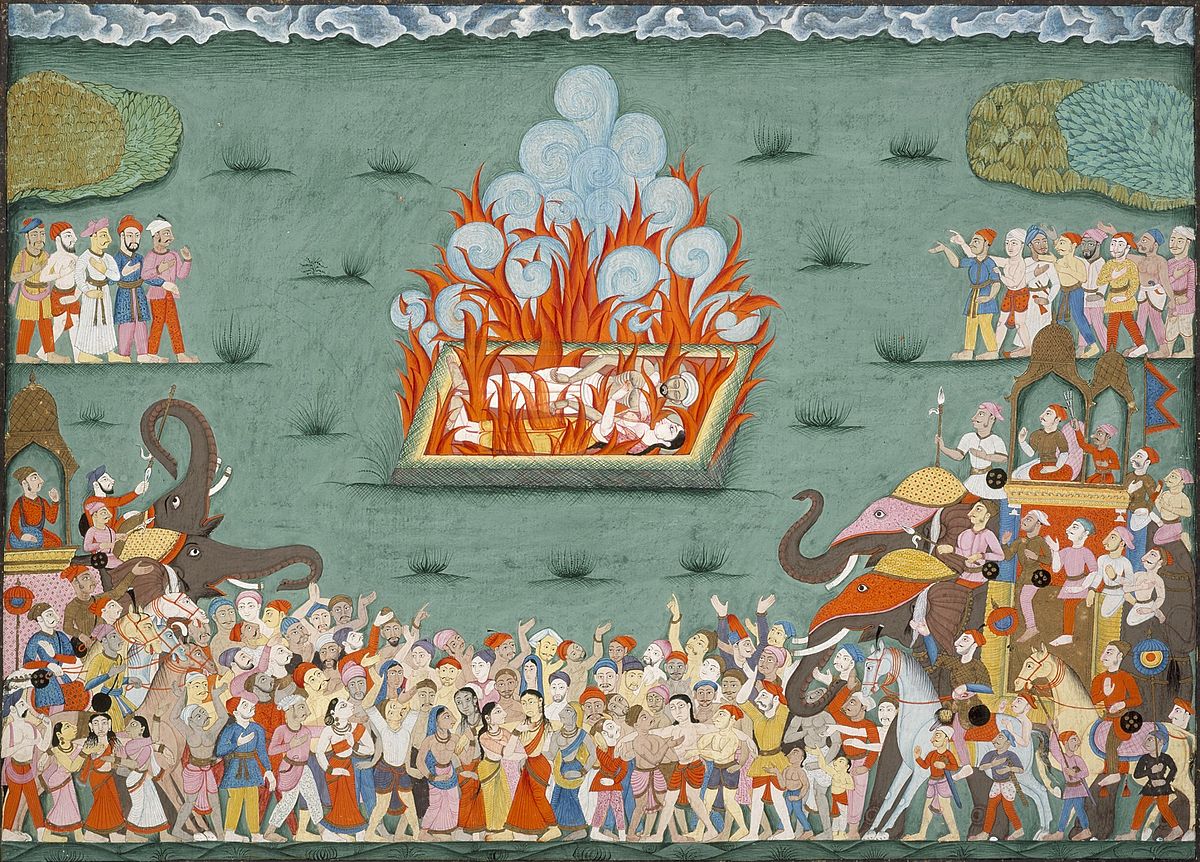
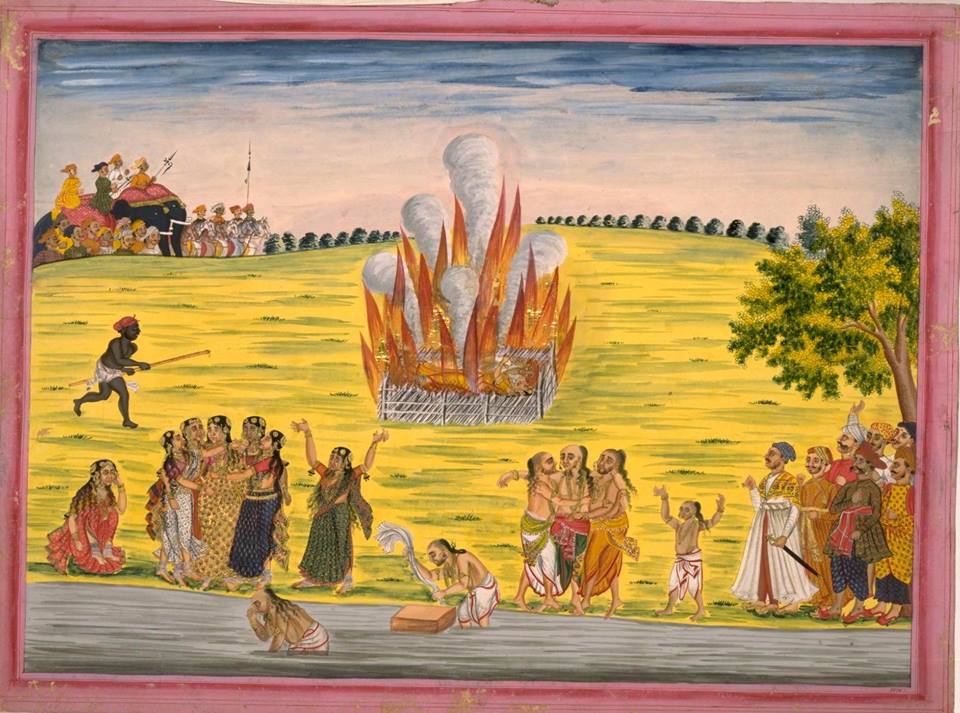
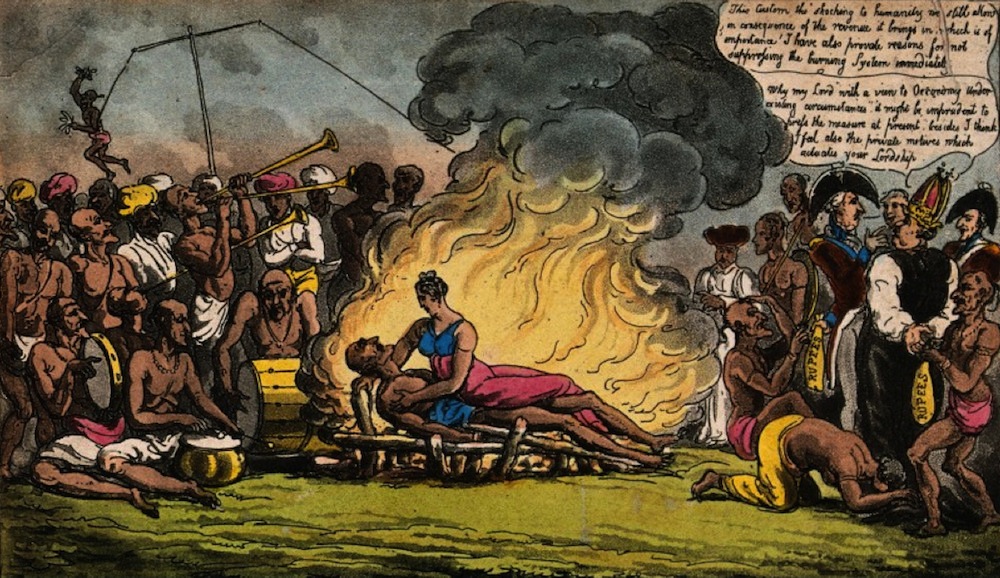
Sati was a practice in which a widow was expected to immolate herself on her husband’s funeral pyre. This practice was first mentioned in the Rig Veda, and it is believed to have been prevalent in ancient India. Sati was often seen as a way for a woman to demonstrate her love and devotion to her husband, and it was also believed to bring good luck to the family. However, sati was also a dangerous and often fatal practice, and it was finally banned in 1829 by the British Raj.
Child Marriage
Child marriage was another common practice in Hindu society. Child marriage was often arranged by the parents of the bride and groom, and it was not uncommon for girls to be married as young as 10 or 12 years old. Child marriage had a number of negative consequences for young girls, including increased risk of pregnancy and childbirth complications, lack of education, and limited economic opportunities. Child marriage was finally banned in India in 1929, and the legal age of marriage for girls is now 18 years old.
Lack of Education
Hindu women were often denied access to education, and this lack of education limited their opportunities in life. In the 19th century, a number of social reformers, including Raja Ram Mohan Roy and Ishwar Chandra Vidyasagar, worked to promote education for women. Their efforts led to the establishment of schools for girls, and by the end of the 19th century, a significant number of Hindu women had received a formal education.
Social Reform
The 19th and 20th centuries saw a number of important social reforms that improved the lives of Hindu women. These reforms included the banning of sati, child marriage, and the promotion of education for women. These reforms were led by a number of social reformers, including Raja Ram Mohan Roy, Ishwar Chandra Vidyasagar, and Jyotirao Phule.
The social reforms of the 19th and 20th centuries had a profound impact on the lives of Hindu women. These reforms gave women more freedom and opportunities, and they helped to create a more just and equitable society for all.## From Sati To Social Reform: A Look At Historical Challenges Faced By Hindu Women
Executive Summary
Hindu women have faced numerous challenges throughout history, from oppressive religious practices like sati to societal barriers that have limited their education, rights, and autonomy. This article explores the various historical challenges faced by Hindu women and traces the evolution of social reform movements that have sought to address their plight.
Introduction
Hindu women have a rich and diverse history, but it has also been marked by significant challenges and hardships. From being subjected to oppressive practices like sati to facing discrimination in education, employment, and marriage, Hindu women have had to navigate a complex web of social, religious, and cultural barriers. However, throughout history, there have also been movements for social reform that have sought to challenge these injustices and empower Hindu women.
Frequently Asked Questions
- What is sati? Sati is a practice in which a widow is expected to immolate herself on her husband’s funeral pyre. It was prevalent in some parts of India until it was banned in the 19th century.
- When did social reform movements for Hindu women begin? Social reform movements for Hindu women began in the 19th century, led by reformers such as Raja Ram Mohan Roy and Ishwar Chandra Vidyasagar.
- What were the major achievements of social reform movements for Hindu women? Social reform movements for Hindu women led to the abolition of sati, the introduction of widow remarriage, and the expansion of education and property rights for women.
Subtopics
Sati: A Cruel and Oppressive Practice
- Definition: Sati is a practice in which a widow is expected to immolate herself on her husband’s funeral pyre.
- Prevalence: Sati was prevalent in some parts of India, particularly in the north, from ancient times until the 19th century.
- Reasons for its practice: Sati was often justified on the grounds of religious duty and social honor. It was believed that by committing sati, the widow would ensure her husband’s happiness in the afterlife and bring honor to her family.
- Impact on women: Sati was a cruel and oppressive practice that deprived women of their right to life and freedom. It also perpetuated the belief that women were inferior to men and had no control over their own bodies.
- Abolition: Sati was finally banned in India in 1829 by the British governor-general, Lord William Bentinck.
Widow Remarriage: A Right Denied
- Definition: Widow remarriage is the marriage of a woman who has lost her husband to death.
- Prevalence: Widow remarriage was traditionally prohibited in Hindu society. Widows were expected to remain celibate for the rest of their lives.
- Reasons for its prohibition: The prohibition against widow remarriage was based on the belief that women should be faithful to their husbands even after death. It was also seen as a way to protect the property and inheritance of the deceased husband’s family.
- Impact on women: The prohibition against widow remarriage forced many widows to live a life of poverty and isolation. It also deprived them of the opportunity to have children and rebuild their lives.
- Legalization: Widow remarriage was finally legalized in India in 1856 by the Hindu Widows’ Remarriage Act.
Education: An Essential Right Denied
- Definition: Education is the process of acquiring knowledge, skills, and values through formal or informal means.
- Prevalence: Education for Hindu women was severely restricted in the past. They were often denied access to formal education and were expected to focus on domestic duties.
- Reasons for its denial: The denial of education to Hindu women was based on the belief that they were not capable of intellectual pursuits. It was also seen as a way to maintain the traditional gender roles in society.
- Impact on women: The denial of education limited the opportunities for Hindu women to develop their potential and contribute to their society. It also perpetuated the belief that women were inferior to men in terms of intelligence and ability.
- Expansion: The movement for women’s education in India began in the 19th century, led by reformers such as Raja Ram Mohan Roy and Ishwar Chandra Vidyasagar. By the early 20th century, significant progress had been made in expanding education for Hindu women.
Property Rights: A Fundamental Right Denied
- Definition: Property rights are the legal rights that an individual has over property, including the right to own, use, and dispose of it.
- Prevalence: Hindu women were traditionally denied property rights. They were not allowed to inherit property from their parents or husbands, and they could not own or control their own property.
- Reasons for its denial: The denial of property rights to Hindu women was based on the belief that women were not capable of managing property and that their property should be controlled by their male relatives.
- Impact on women: The denial of property rights made Hindu women financially dependent on their male relatives and limited their ability to live independently. It also perpetuated the belief that women were inferior to men in terms of financial capability.
- Expansion: The movement for women’s property