Balancing Tradition and Change: Can Hinduism Offer a More Equitable Future for Women?
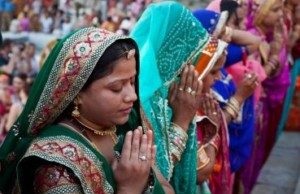
Hinduism, one of the world’s oldest and most diverse religions, has a complex history regarding gender roles and the status of women. While some traditional aspects of Hinduism have been criticized for perpetuating gender inequality, the religion also contains teachings and practices that emphasize equality and empowerment for women. In recent years, there has been a growing movement within Hinduism to advocate for the rights of women and promote their full participation in society. However, significant challenges remain, and the question of whether Hinduism can offer a more equitable future for women is a subject of ongoing debate.
Traditional Hindu Perspectives on Women
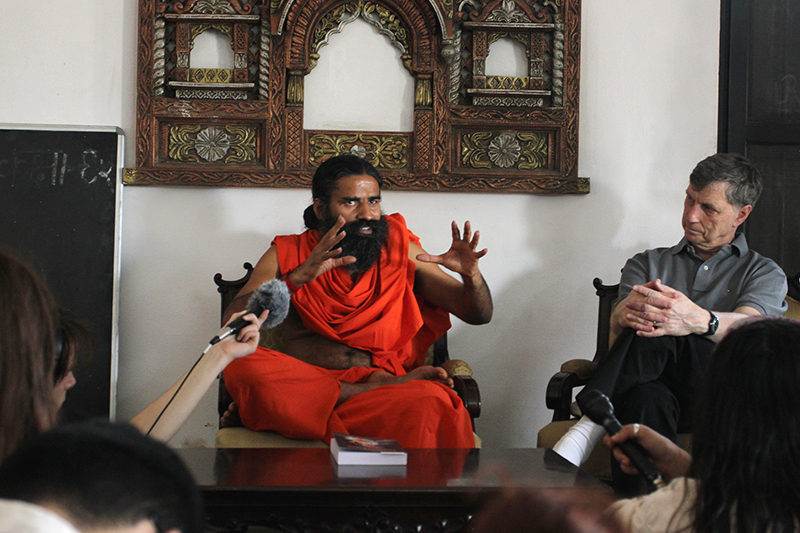
Traditional Hindu texts present a range of views on women, reflecting the diverse and often contradictory nature of the religion. Some texts, such as the Manusmriti, assert that women are inferior to men and should be subject to their authority. Others, such as the Rigveda, portray women as powerful and independent beings.
In traditional Hindu society, women have typically been assigned specific roles and duties based on their gender. These roles have often been centered around domestic responsibilities, such as caring for the home and raising children. While some women have achieved positions of power and influence, they have often faced significant barriers and discrimination.
Hinduism’s Teachings on Gender Equality
Despite the existence of patriarchal elements within Hinduism, the religion also contains teachings that emphasize the equality and dignity of all beings, regardless of gender. The Bhagavad Gita, one of Hinduism’s most sacred texts, states that men and women are equal in the eyes of God. It also teaches that all individuals have the potential to achieve spiritual enlightenment.
Several Hindu goddesses, such as Lakshmi, Parvati, and Durga, are revered as powerful and independent deities. They represent strength, wisdom, and creativity, and their stories inspire many women to challenge traditional gender roles and pursue their own paths.
Modern Interpretations of Hinduism
In recent decades, there has been a growing movement within Hinduism to reinterpret traditional texts and practices to promote gender equality. Many Hindu scholars and activists argue that the patriarchal elements of Hinduism are not essential to the religion and that they can be discarded in favor of more progressive interpretations.
These activists have worked to establish organizations and initiatives that support women’s rights and empowerment. They have also promoted the ordination of women as priests and the inclusion of women in religious ceremonies.
Challenges to Gender Equality in Hinduism
Despite the efforts of gender equality advocates, many challenges remain in Hinduism. Traditional gender roles and stereotypes persist in many communities, and women often face discrimination and violence.
One major challenge is the practice of child marriage, which is still prevalent in some parts of India. Child marriage is illegal under Indian law, but it continues to be practiced in some Hindu communities. This practice has severe consequences for girls, who are often forced to drop out of school and bear children at a young age, which can lead to health problems and limited opportunities.
Another challenge is the lack of women in leadership positions within Hinduism. While some women have made significant strides in recent years, they continue to be underrepresented in religious institutions and decision-making bodies. This lack of representation limits women’s voices and perspectives on issues related to gender equality.
Conclusion
The question of whether Hinduism can offer a more equitable future for women is a complex one. While the religion contains teachings that emphasize equality and empowerment, traditional gender roles and stereotypes continue to present significant challenges. However, the growing movement within Hinduism to advocate for women’s rights and reinterpret traditional texts offers hope for a more just and equitable future. By embracing the teachings of equality and the power of female deities, Hinduism can become a force for progress and transformation, offering women the opportunity to fully participate in society and achieve their full potential.## Balancing Tradition And Change: Can Hinduism Offer A More Equitable Future For Women?
Executive Summary
Hinduism, one of the world’s oldest and most diverse religions, has a complex and evolving history regarding gender equality. While traditional Hindu texts and practices have often reinforced patriarchal norms, there have also been significant movements within Hinduism to promote women’s rights and empowerment. In recent years, there has been a growing debate about the role of Hinduism in shaping a more equitable future for women. This article explores the various perspectives on this issue, examining both the challenges and opportunities that Hinduism presents for women’s empowerment. By understanding the historical, cultural, and theological complexities of Hinduism, we can better assess its potential to contribute to a more just and equal society.
Introduction
Hinduism is a complex and diverse religious tradition that has evolved over centuries. It is a collection of beliefs, practices, and traditions that have been shaped by a variety of cultural and historical factors. One of the most important aspects of Hinduism is its emphasis on tradition. Hindus believe that the Vedas, the ancient scriptures of Hinduism, are the ultimate source of truth and wisdom. These scriptures contain a wealth of knowledge about the world, including the roles and responsibilities of men and women.
FAQ
What is the role of women in Hinduism?
The role of women in Hinduism has varied over time and across different regions. In some traditions, women are seen as equal to men, while in others they are seen as subordinate. In general, women are responsible for the care of the home and the family. They are also expected to be chaste and faithful to their husbands.
What are the challenges facing women in Hinduism?
Women in Hinduism face a number of challenges, including:
- Discrimination: Women are often discriminated against in education, employment, and other areas of life.
- Violence: Women are at risk of violence from their husbands, partners, and other family members.
–Lack of opportunity: Women often have limited access to education, employment, and other opportunities.
What are the opportunities for women in Hinduism?
Despite the challenges, there are also a number of opportunities for women in Hinduism. These include:
- Education: There are a number of organizations that are working to provide education to girls and women in India.
- Employment: There are a number of initiatives that are working to create employment opportunities for women.
- Leadership: There are a number of women who are assuming leadership roles in Hindu organizations.
Subtopics
1. The Role of Women in Hindu Scriptures
The Vedas, the ancient scriptures of Hinduism, contain a variety of passages that address the role of women. Some of these passages are egalitarian, while others are more patriarchal. For example, the Rig Veda states that “women and men are equal in the eyes of God.” However, the Manusmriti, a later text, states that “women are subordinate to men.”
2. The History of Women in Hinduism
The history of women in Hinduism is complex and varied. In some periods, women have enjoyed a relatively high status, while in others they have been subjected to discrimination and oppression. For example, during the Vedic period (1500-500 BCE), women were relatively free and independent. They could own property, inherit wealth, and participate in religious rituals. However, during the later Vedic period and the classical period (500 BCE-500 CE), women’s status declined. They were increasingly confined to the home and their role was limited to that of wife and mother.
3. The Role of Women in Contemporary Hinduism
In contemporary Hinduism, there is a wide range of views on the role of women. Some Hindus believe that women are equal to men, while others believe that they are subordinate. There are also a number of Hindu organizations that are working to promote women’s rights and empowerment.
4. The Challenges Facing Women in Hinduism
Women in Hinduism face a number of challenges, including:
- Discrimination: Women are often discriminated against in education, employment, and other areas of life.
- Violence: Women are at risk of violence from their husbands, partners, and other family members.
- Lack of opportunity: Women often have limited access to education, employment, and other opportunities.
5. The Opportunities for Women in Hinduism
Despite the challenges, there are also a number of opportunities for women in Hinduism. These include:
- Education: There are a number of organizations that are working to provide education to girls and women in India.
- Employment: There are a number of initiatives that are working to create employment opportunities for women.
- Leadership: There are a number of women who are assuming leadership roles in Hindu organizations.
Conclusion
The role of women in Hinduism is a complex and evolving one. While traditional Hindu texts and practices have often reinforced patriarchal norms, there have also been significant movements within Hinduism to promote women’s rights and empowerment. In recent years, there has been a growing debate about the role of Hinduism in shaping a more equitable future for women. By understanding the historical, cultural, and theological complexities of Hinduism, we can better assess its potential to contribute to a more just and equal society.
Keyword Tags
- Hinduism
- Women’s rights
- Gender equality
- Social justice
- Tradition