The Significance of Samskaras: Celebrating Life’s Milestones in Hinduism
Samskaras are sacred rituals and ceremonies that mark important life transitions and milestones in Hinduism. These rituals serve as spiritual rites of passage and help individuals navigate the various stages of life with grace and meaning.
Meaning and Origin
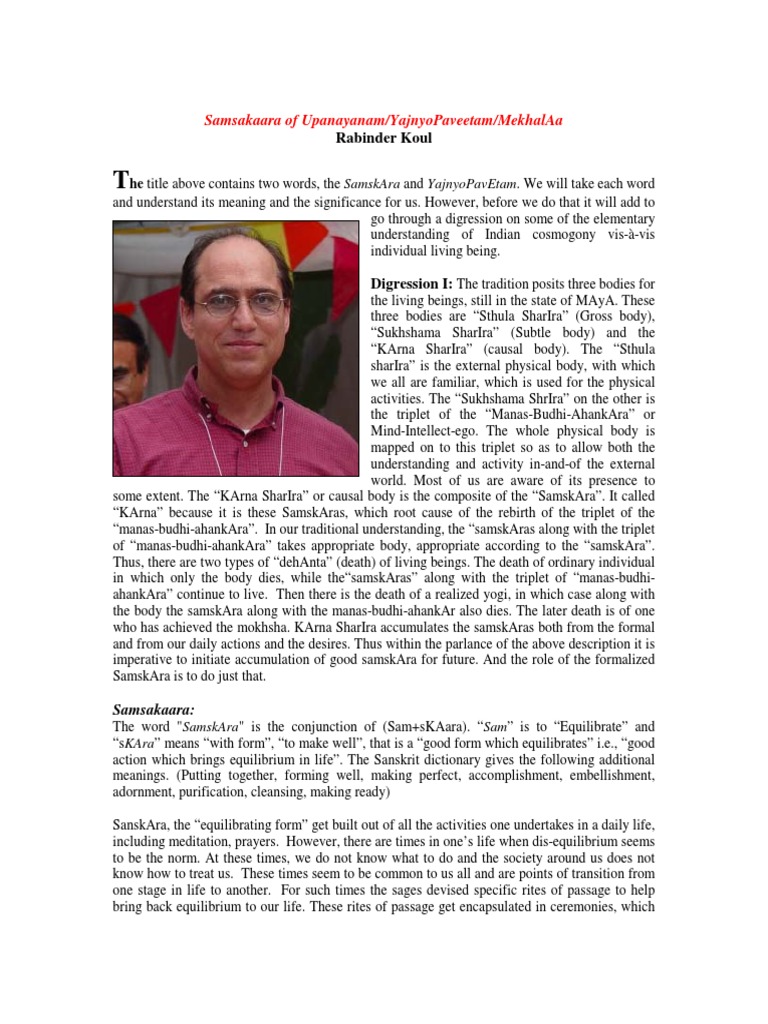
The Sanskrit word “samskara” means “purification” or “refinement.” Samskaras are believed to purify the individual on physical, mental, and spiritual levels, preparing them for the next phase of life. The ancient Hindu scriptures, particularly the Grihya Sutras, provide guidelines for the performance of these rituals.
Types of Samskaras
Hinduism recognizes numerous samskaras, each associated with a specific life event. Some of the most common samskaras include:
- Garbhadhana: Conception ceremony
- Punsavana: Ceremony for the fetus’s growth and nourishment
- Simantonnayana: Pregnancy ritual
- Jatakarma: Birth ceremony
- Namakarana: Name-giving ceremony
- Annaprasana: First feeding of solid food
- Chudakarana: First hair-cutting ceremony
- Upanayana: Initiation ceremony into Vedic study
- Vivaha: Marriage ceremony
- Antyesti: Funeral rites
Importance of Samskaras
- Physical and Mental Development: Samskaras provide a framework for healthy development and well-being. They include rituals that promote physical cleanliness, mental discipline, and emotional stability.
- Spiritual Growth: Samskaras are opportunities for spiritual connection and growth. They help individuals cultivate values, understand the purpose of their existence, and seek liberation from suffering.
- Social Integration: Samskaras foster social cohesion and provide a sense of belonging within the Hindu community. They create shared experiences and traditions that bind families and society together.
- Preservation of Culture: Samskaras play a crucial role in transmitting Hindu culture and values from one generation to the next. They ensure the continuation of traditions and spiritual practices.
Contemporary Relevance
While some traditional samskaras may have undergone adaptations over time, their significance remains relevant in contemporary society. Modern Hindus continue to observe these rituals, often with a blend of traditional and contemporary elements.
By celebrating life’s milestones through samskaras, Hindus seek to:
- Honor the transitionary nature of life
- Invoke divine blessings and guidance
- Foster spiritual growth
- Strengthen family and community bonds
- Perpetuate cultural heritage
Conclusion
Samskaras are an integral part of Hindu life, marking significant milestones and providing a framework for spiritual growth and social integration. These rituals are not merely cultural practices but profound spiritual rites of passage that help individuals navigate the journey of life with purpose and meaning. By preserving and practicing these traditions, Hindus honor their ancestors, foster their cultural identity, and seek connection with the divine.## The Significance of Samskaras: Celebrating Life’s Milestones in Hinduism
Executive Summary
Samskaras are sacred rituals performed at various stages of life in Hinduism, symbolizing spiritual and social transitions. They play a vital role in shaping the individual’s development, identity, and relationship with the community. This article delves into the significance of these milestones, exploring their purpose, practices, and impact on Hindu society.
Introduction
Hinduism, a vibrant and ancient religion, places great emphasis on the observance of rituals and ceremonies known as Samskaras. These rituals are designed to mark important life events, sanctifying them and facilitating the individual’s growth and spiritual evolution. From birth to death, Samskaras guide Hindus through various stages of life, providing a sacred framework for their journey.
FAQs
1. What is the purpose of Samskaras?
Samskaras serve multiple purposes: they cleanse impurities, enhance spiritual awareness, strengthen social bonds, and provide a sense of direction and meaning throughout life.
2. How many Samskaras are there?
There are numerous Samskaras, but the most significant ones are performed at key stages of life, including birth, childhood, marriage, and death.
3. Who performs Samskaras?
Samskaras are typically conducted by priests or religious leaders, but certain rituals can also be performed by family members.
Subtopics
1. Pre-Natal Rituals
Pre-Natal rituals, such as Garbhadhana and Pumsavana, aim to ensure a healthy pregnancy and the birth of a virtuous child. They involve prayers, offerings, and specific dietary guidelines.
- Garbhadhana: Conception ceremony, performed to invoke divine blessings for a fertile marriage.
- Pumsavana: Ritual performed during pregnancy to ensure the birth of a male heir.
- Simantonnayana: Pregnancy ceremony celebrating the expectant mother and providing blessings for the well-being of the unborn child.
2. Birth and Childhood Rituals
Birth and childhood rituals, including Jatakarman and Annaprashana, mark the important milestones of a child’s development. They symbolize the child’s introduction to society and the initiation of their spiritual journey.
- Jatakarman: Birth ceremony, performed shortly after birth to purify the newborn and establish their name.
- Annaprashana: First feeding of solid food, symbolizing the child’s transition to adult food and the beginning of their independence.
- Upanayana: Sacred thread ceremony, marking the child’s initiation into formal education and the study of religious texts.
3. Marriage Rituals
Marriage rituals, such as Vivaha and Saptapadi, are elaborate ceremonies that unite two individuals and establish their lifelong partnership. They are considered the most important Samskara, symbolizing the creation of a new household and the fulfillment of one’s social responsibilities.
- Vivaha: The main marriage ceremony, involving a series of rituals and vows exchanged between the bride and groom.
- Saptapadi: The seven sacred steps taken by the couple around a sacred fire, symbolizing their journey through life together.
- Griha Pravesh: The ritual of entering the bride’s new home, marking her acceptance into her husband’s family.
4. Initiation and Renunciation Rituals
Initiation and renunciation rituals, such as Diksha and Sanyasa, represent significant spiritual transitions. They mark the individual’s commitment to a particular spiritual path or the renunciation of worldly attachments.
- Diksha: Initiation ceremony, where a guru bestows a mantra or spiritual practice upon the disciple.
- Sanyasa: The ritual of renunciation, when an individual gives up worldly possessions and family ties to pursue a life of spiritual enlightenment.
5. Death Rituals
Death rituals, such as Antyesti and Shraddha, provide spiritual guidance and support to the deceased and their family. They help to process grief, honor the life of the departed, and facilitate their transition to the afterlife.
- Antyesti: Funeral ceremony, where the deceased’s body is cremated or buried, releasing their soul from the physical realm.
- Shraddha: Ancestor worship ritual, performed periodically to honor the deceased and ensure their well-being in the afterlife.
Conclusion
Samskaras play an indispensable role in the life of a Hindu, providing a sacred framework that guides them through the various stages of their existence. These rituals not only sanction and celebrate important milestones but also shape the individual’s character, social status, and spiritual growth. By understanding the significance of Samskaras, we gain a deeper appreciation for the rich tapestry of Hindu culture and its emphasis on spiritual evolution and community.
Keyword Tags
- Samskaras
- Hindu Milestones
- Rituals in Hinduism
- Life Transitions in Hinduism
- Spiritual Growth in Hinduism