Eastern Thought: Exploring the Profound Wisdom of the Bhagavad Gita
Introduction
Eastern Thought encompasses a vast and diverse array of philosophical, spiritual, and religious traditions that have shaped the cultures and lives of billions of people throughout history. In this article, we delve into the Eastern Thought of the Bhagavad Gita, a sacred text of Hinduism that offers profound lessons for both life and leadership.
The Bhagavad Gita: A Journey of Self-Discovery
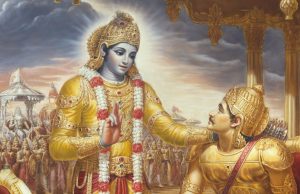
The Bhagavad Gita is an ancient Sanskrit scripture that forms part of the epic poem Mahabharata. It tells the story of Arjuna, a warrior prince facing a moral dilemma on the eve of a great battle. Through a dialogue between Arjuna and his divine mentor, Lord Krishna, the Bhagavad Gita explores themes of dharma (righteousness), karma (action), and moksha (liberation).
Core Principles of Eastern Thought in the Bhagavad Gita
-
Dharma (Righteousness): Eastern Thought emphasizes the importance of living in accordance with dharma, which represents the path of righteousness and duty. It calls for individuals to act with integrity, compassion, and responsibility towards others and society.
-
Karma (Action): Eastern Thought teaches the concept of karma, which refers to the consequences of our actions. It states that every action, whether positive or negative, has its corresponding result. By understanding karma, we can consciously choose actions that lead to positive outcomes.
-
Moksha (Liberation): The ultimate goal of Eastern Thought is moksha, which signifies liberation from the cycle of birth, death, and rebirth. It is a state of spiritual awakening and enlightenment, where we transcend the limitations of our ego and attain a deep understanding of our true nature.
Lessons for Life and Leadership
-
Self-Knowledge: Eastern Thought emphasizes the importance of self-knowledge. By understanding our strengths, weaknesses, and motivations, we can make wiser decisions and live a more fulfilling life.
-
Purposeful Action: The Bhagavad Gita inspires us to act with purpose and meaning. It encourages us to identify our dharma and to engage in activities that align with our values and bring about positive change.
-
Equanimity: Eastern Thought teaches the virtue of equanimity, which is the ability to remain calm and balanced amidst life’s challenges. By cultivating equanimity, we can respond to adversity with resilience and grace.
-
Compassion: Eastern Thought values compassion, which involves treating others with empathy and understanding. It reminds us that we are all interconnected and that our actions have the power to uplift or harm others.
-
Leadership: The Bhagavad Gita provides insights into effective leadership. Through the character of Lord Krishna, it teaches the importance of selfless service, empathy, and the ability to inspire and motivate others.
Conclusion
Eastern Thought, as exemplified by the Bhagavad Gita, offers timeless wisdom and guidance for life and leadership. Its principles of dharma, karma, and moksha provide a framework for ethical living, purposeful action, and spiritual enlightenment. By embracing the teachings of Eastern Thought, we can deepen our understanding of ourselves, the world, and our place within it.
Secondary Keywords:
- Eastern Philosophy
- Bhagavad Gita
- Hinduism
- Dharma
- Karma
- Moksha
- Self-Development
- Purpose
- Leadership
- Equanimity