

eGOD – 10 Avatar Of Vishnu, The Many Avatars of Lord Vishnu: From Matsya to Kalki. Lord Vishnu, one of the principal deities in Hinduism, is revered for his divine interventions on Earth through his various avatars. These avatars serve as symbols of righteousness, protection, and restoration of cosmic order.
From the fish-like Matsya to the warrior Kalki, each avatar carries a unique significance and purpose.
Also Read: Why Hindu Gods Have Now Stopped Incarnation?
1Matsya Avatar

The Matsya Avatar represents Lord Vishnu’s manifestation as a giant fish. According to Hindu mythology, Matsya saved the first man, Manu, and the sacred Vedas from a great deluge, symbolizing the preservation of knowledge and life.
Also Read: Who is Narayana, Why Hindu Worship Narayana?
2Kurma Avatar

In the Kurma Avatar, Lord Vishnu assumed the form of a tortoise to support the churning of the cosmic ocean by the Devas (gods) and Asuras (demons). Kurma upheld the Mount Mandara on his back, facilitating the retrieval of divine treasures and the nectar of immortality.
Also Read: Satyabhama: The Fierce and Devoted Queen of Lord Krishna
3Varaha Avatar

Lord Vishnu appeared as a boar, known as Varaha, in this avatar. Varaha rescued the earth goddess, Bhudevi, by defeating the demon Hiranyaksha and lifting the Earth out of the cosmic ocean. This avatar symbolizes the restoration of balance and protection of the Earth.
Also Read: The Hindu Concept of Dharma: Living a Life of Righteousness and Duty
4Narasimha Avatar
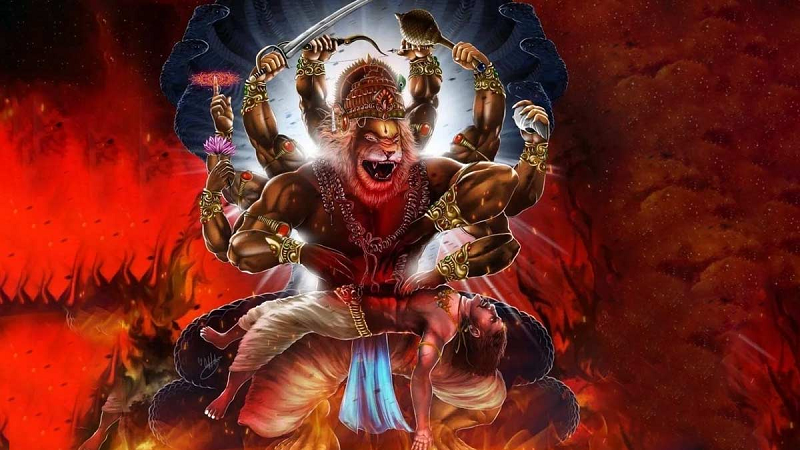
The Narasimha Avatar depicts Lord Vishnu in a half-human, half-lion form. Narasimha emerged to destroy the demon king Hiranyakashipu, who had gained immense power through a boon. This avatar showcases the victory of good over evil and the importance of faith.
Also Read: Uncovering the Mysteries of Balarama: 12 Unknown Facts About Krishna’s Brother
5Vamana Avatar
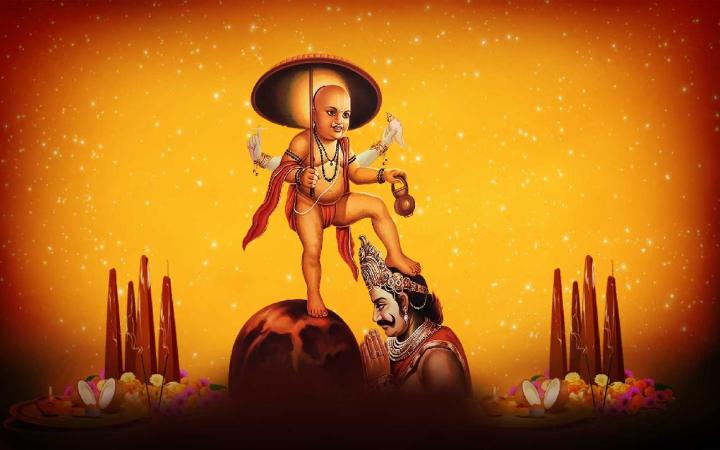
In the Vamana Avatar, Lord Vishnu appeared as a dwarf Brahmin. Vamana sought to curb the pride and dominance of the demon king Bali by seeking three steps of land. Through his cosmic form, Vamana covered the Earth, heavens, and the entire universe in two steps, reestablishing balance and humility.
Also Read: The Concept of Aum: Exploring the Sacred Sound of Hinduism
6Parashurama Avatar
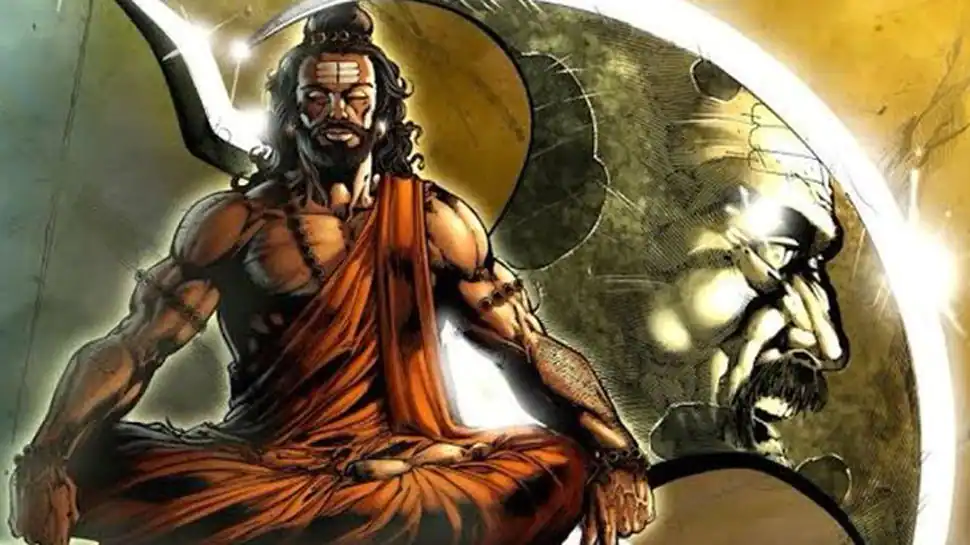
Lord Vishnu manifested as Parashurama, a warrior sage wielding an axe, to eliminate the oppressive and corrupt Kshatriya kings. This avatar signifies the preservation of righteousness and the restoration of dharma (moral order) through necessary battles.
Also Read: The Hindu Concept of Brahmacharya: Living a Life of Celibacy and Self-Control
7Rama Avatar
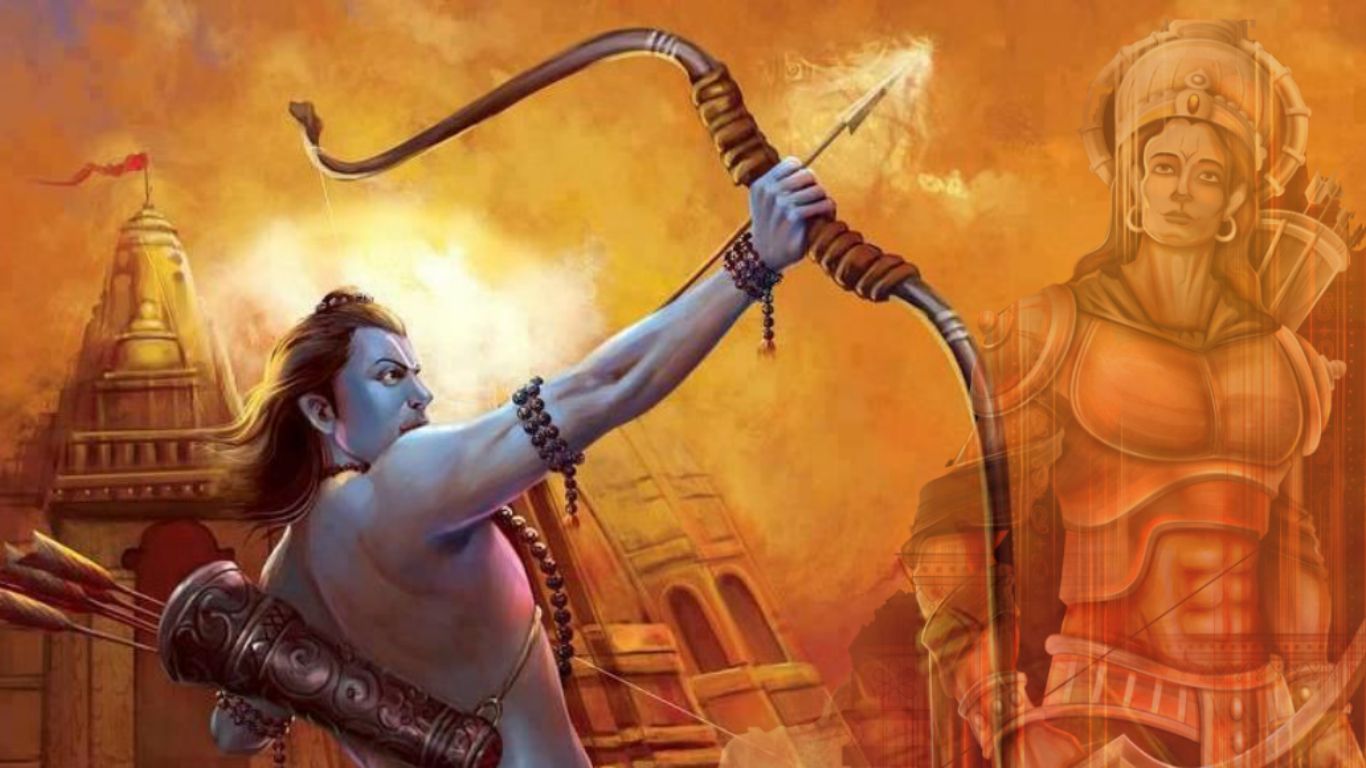
The Rama Avatar is one of the most revered incarnations of Lord Vishnu. Lord Rama, accompanied by his devoted wife Sita and loyal brother Lakshmana, embarked on a journey to rescue Sita from the demon king Ravana. This avatar exemplifies the ideals of righteousness, loyalty, and the triumph of good over evil.
Also Read: The Hindu Concept of Seva: Serving Others as a Path to Self-Realization
8Krishna Avatar
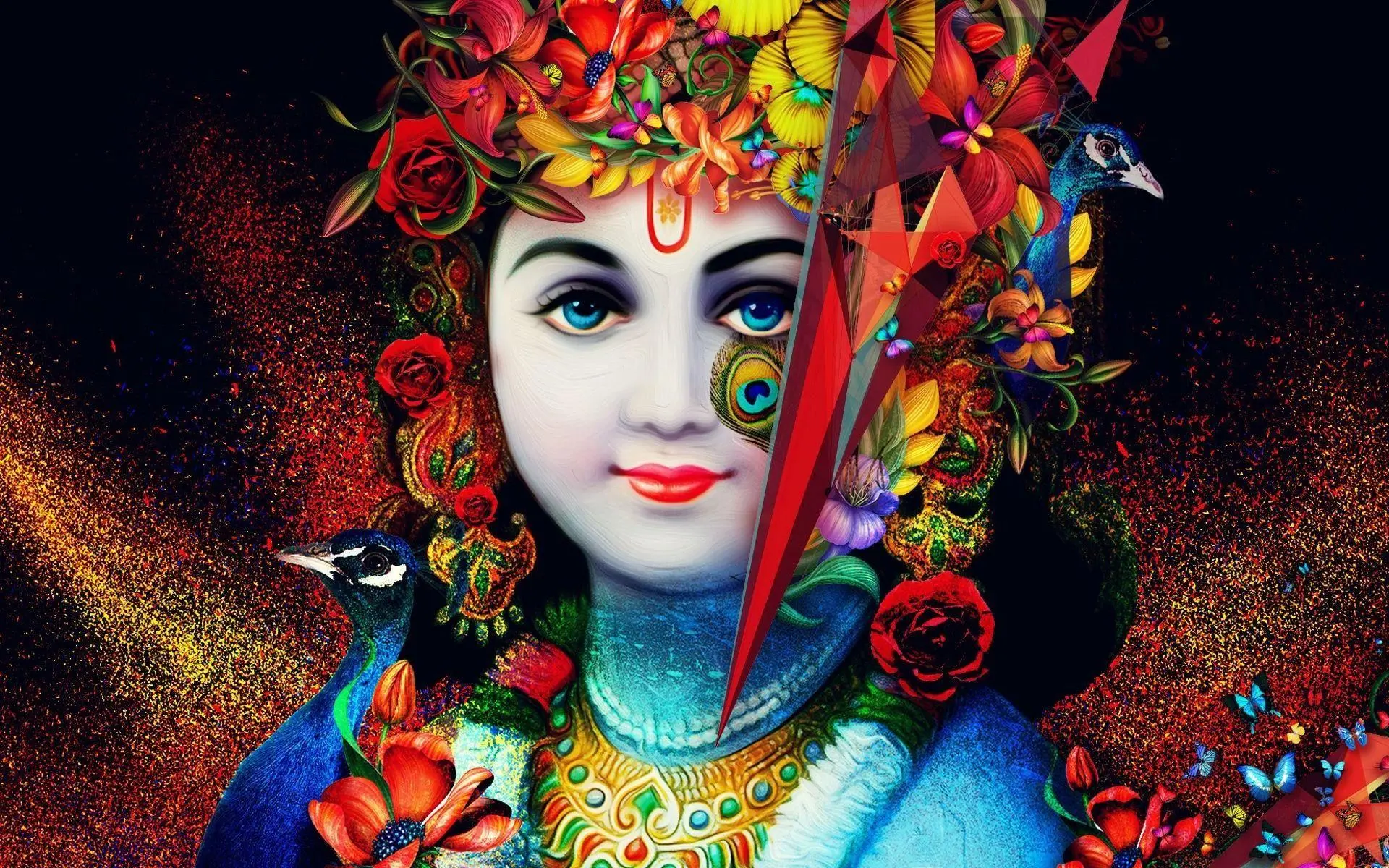
Lord Krishna, the protagonist of the epic Mahabharata, is considered the eighth avatar of Lord Vishnu. Known for his divine teachings in the Bhagavad Gita, Krishna guided Arjuna and played a crucial role in the great Kurukshetra war. This avatar emphasizes devotion, wisdom, and the path to spiritual enlightenment.
Also Read: The Art and Science of Vedic Astrology: Using the Stars to Understand Life
9Buddha Avatar
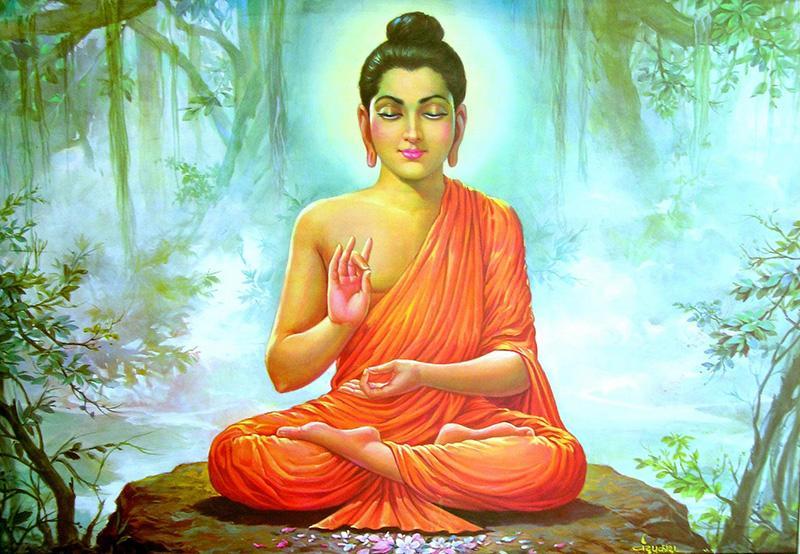
The Buddha Avatar, also known as Gautama Buddha, represents Lord Vishnu’s incarnation as Siddhartha Gautama. Buddha’s teachings centered around compassion, non-violence, and liberation from the cycle of birth and death. This avatar focuses on inner enlightenment and the pursuit of truth.
Also Read: The Hindu Concept of Time: Understanding Cycles and Ages
10Kalki Avatar
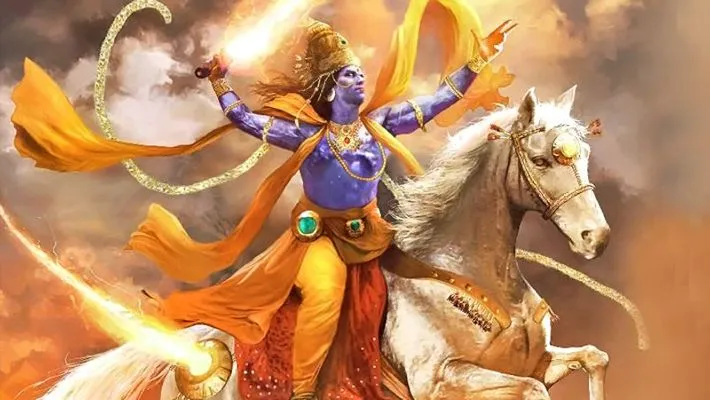
The Kalki Avatar is believed to be the future incarnation of Lord Vishnu, yet to appear. It is prophesied that Kalki will arrive on a white horse to restore righteousness and bring an end to the current age of darkness and chaos. This avatar signifies hope for a better future and the ultimate triumph of good.
Also Read: The Hindu Perspective on Death and the Afterlife: Exploring Spiritual Beliefs and Practices
The avatars of Lord Vishnu span a vast range, from aquatic creatures to divine warriors, representing his divine interventions in various forms throughout history. Each avatar holds its own symbolism and message, teaching devotees important lessons about righteousness, protection, and spiritual growth. Understanding the stories and significance of these avatars can deepen our knowledge of Hindu mythology and inspire us to live a righteous life, filled with compassion and devotion.