
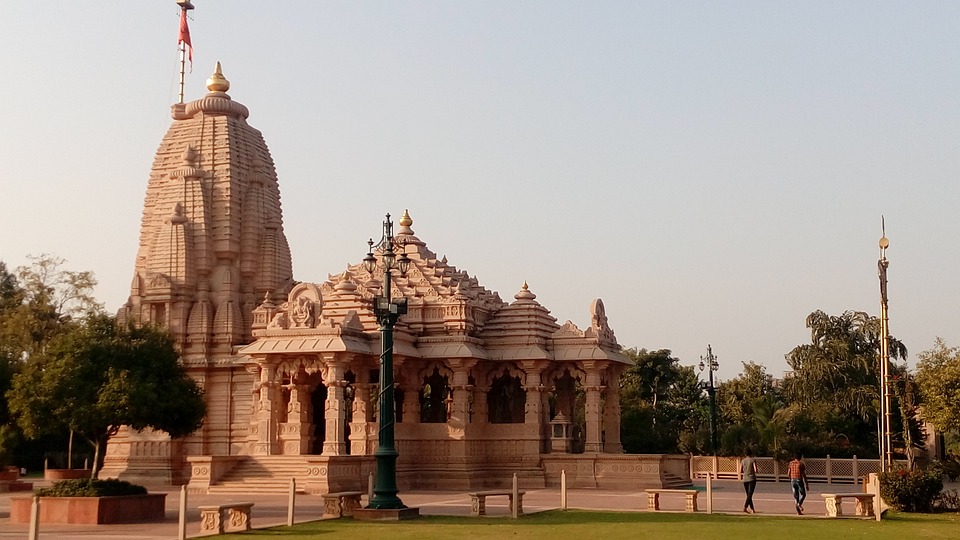
eGOD.eu – The Importance of Pilgrimage in Hinduism: Journeying to Sacred Sites. Pilgrimage holds great significance in Hinduism, as it allows devotees to embark on a spiritual journey to sacred sites. This practice, deeply rooted in religious traditions, serves as a means of deepening one’s faith, seeking blessings, and experiencing a connection with the divine.
In this article, we will explore the importance of pilgrimage in Hinduism and shed light on the profound impact it has on the lives of millions of believers.
Also Read: The Enigmatic Krishna: 12 Unknown Facts about the Lord of Love and Wisdom
The Significance of Pilgrimage in Hinduism:
Pilgrimage, known as “Tirtha-yatra” in Hinduism, is considered a sacred duty for followers. It involves visiting temples, rivers, mountains, and other revered locations associated with deities, saints, and historical events. The belief is that these places possess immense spiritual power and provide an opportunity for devotees to seek blessings, purification, and spiritual growth.
Connection with the Divine:
Pilgrimage offers a unique opportunity for devotees to establish a direct connection with the divine. By immersing themselves in the holy atmosphere of sacred sites, individuals can experience a sense of closeness and communion with their chosen deity. This connection deepens their faith and reinforces their devotion.
Also Read: The Miracle of Dates (Palm Date)
Spiritual Cleansing and Renewal:
Hinduism emphasizes the importance of inner purification and cleansing. Pilgrimage is seen as a means to achieve this spiritual cleansing. The act of visiting sacred sites, taking holy dips in rivers, and performing rituals helps individuals cleanse themselves of negative energies and impurities. It serves as a fresh start on their spiritual journey.
Seeking Blessings and Fulfilling Wishes:
Devotees undertake pilgrimages to seek blessings and divine intervention in their lives. It is believed that visiting sacred sites and offering prayers with pure intentions can fulfill desires, bring good fortune, and mitigate past karmic influences. Pilgrims offer prayers, perform rituals, and make offerings to the deities, seeking their grace and blessings.
Also Read: Why Hindu Religion Can’t Spread Like Other Major Religions
Cultural and Historical Relevance:
Pilgrimage sites hold immense cultural and historical significance. They provide a glimpse into the rich heritage and traditions of Hinduism. By visiting these sites, devotees gain a deeper understanding of their religion, its legends, and the stories associated with the deities. Pilgrimage becomes a means of preserving and celebrating cultural identity.
Social and Communal Harmony:
Pilgrimage sites often attract a diverse range of devotees from different regions, castes, and backgrounds. The act of pilgrimage promotes social and communal harmony as people from various walks of life come together in a spirit of unity and devotion. It transcends societal divisions and fosters a sense of oneness among believers.
Also Read: Who is Narayana, Why Hindu Worship Narayana?
Impact on Personal Growth:
Embarking on a pilgrimage is not just a physical journey but also a transformative experience. The challenges faced during the pilgrimage, the rituals performed, and the moments of introspection contribute to personal growth and self-discovery. Pilgrims often return with a renewed sense of purpose, inner peace, and spiritual fulfillment.
Preservation of Sacred Sites:
Pilgrimage plays a vital role in the preservation and maintenance of sacred sites. The inflow of devotees and their offerings contribute to the upkeep of temples, monuments, and natural landmarks. The revenue generated from pilgrimage helps in the restoration and conservation of these sites for future generations.
Promoting Tourism and Local Economy:
Pilgrimage sites attract a significant number of tourists, both domestic and international. This influx of visitors stimulates local economies, creates job opportunities, and boosts tourism infrastructure in the surrounding regions. It is a mutually beneficial relationship where tourism supports the upkeep of sacred sites, while pilgrims contribute to the local economy.
Also Read: The Importance of Sacred Texts in Hinduism: The Vedas, Upanishads, and Puranas
Conclusion:
Pilgrimage holds immense importance in Hinduism, serving as a spiritual journey that deepens faith, fosters personal growth, and connects devotees with the divine. It offers a unique blend of religious, cultural, and historical experiences, leaving an indelible impact on the lives of pilgrims.
By undertaking this sacred endeavor, individuals embark on a transformative path that enriches their spiritual understanding and strengthens their bond with their chosen deity.