The Importance of Prasada: Sacred Food Offerings in Hinduism
Prasada, meaning “grace,” refers to the sanctified food offerings made to deities in Hindu rituals. It holds immense religious and spiritual significance within Hinduism, transcending its mere culinary value.
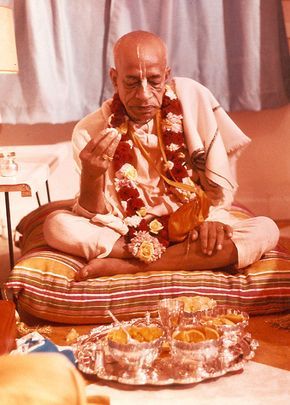
Symbol of Divine Presence:
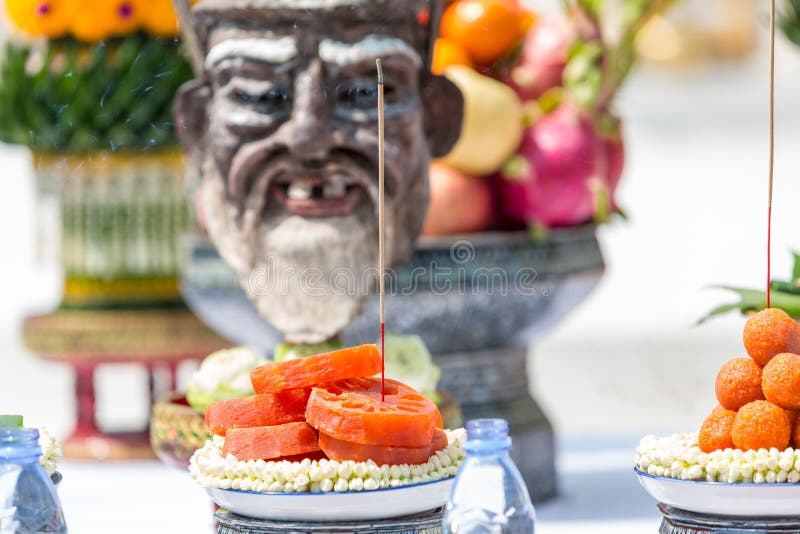
Prasada embodies the divine presence of the deity it is offered to. It is believed that the deity accepts the devotion and offerings of the devotees through the food. As such, prasada symbolizes the divine grace and blessings bestowed upon the recipients.
Purification and Transformation:
The act of offering prasada is seen as a form of purification. When food is offered to the deity, it is infused with divine energy and becomes sacred. Consuming prasada is believed to cleanse the body and mind, removing impurities and negative influences. It is also said to promote spiritual growth and transformation.
Connection Between Devotees and Deities:
Prasada serves as a bridge between devotees and deities. It fosters a sense of unity and communion, breaking down barriers between the sacred and the mundane. By partaking in the sanctified food, devotees feel a deeper connection with the divine and receive its blessings.
Manifestation of Bhakti:
Offering prasada is an expression of bhakti, or selfless devotion, towards the deity. It demonstrates the devotee’s love, gratitude, and unwavering faith. The preparation, offering, and distribution of prasada are considered sacred acts that enhance the spiritual merit of the devotees.
Distribution and Sharing:
Prasada is not only meant for personal consumption but is also shared with others as a symbol of love and compassion. It is believed that sharing prasada spreads divine blessings and promotes harmony within the community.
Types of Prasada:
Prasada can take various forms, depending on the deity, region, and tradition. Common types include fruits, sweets, rice dishes, and vegetables. Regardless of its form, prasada is always treated with the utmost reverence and respect.
Significance in Rituals:
Prasada plays a central role in Hindu rituals such as puja (worship), festivals, and pilgrimages. It is offered to deities during special ceremonies and distributed to devotees as a symbol of divine blessings. Temples often have dedicated kitchens or areas for the preparation and distribution of prasada.
Conclusion:
Prasada is not merely food but a sacred offering and a symbol of divine grace in Hinduism. It purifies, transforms, and connects devotees with deities. By consuming and sharing prasada, individuals experience the divine presence and cultivate a deeper spiritual bond. Its importance extends beyond its culinary value, as it embodies the essence of bhakti, unity, and the blessings of the divine.The Importance Of Prasada: Sacred Food Offerings In Hinduism
Executive Summary
Prasada, the sacred food offering in Hinduism, holds immense significance as a symbol of divine grace and a medium of connecting with the divine. This comprehensive guide explores the multifaceted nature of Prasada, its preparation, rituals, and the profound impact it has on devotees.
Introduction
In the elaborate tapestry of Hindu traditions and rituals, Prasada occupies a central place. It is food that has been offered to a deity and then distributed among devotees as a symbol of divine blessings. Every temple and household in India has unique rituals and customs associated with Prasada, but the common thread that binds them all is the belief in its sacred and transformative power.
FAQ
-
What is the purpose of Prasada?
- To express devotion and reverence to the deity
- To receive divine grace and blessings
- To strengthen the connection between devotees and the divine
-
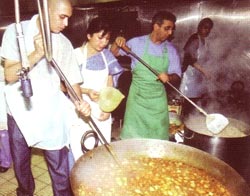
How is Prasada prepared?
- With pure and fresh ingredients
- By individuals who are ritually clean
- In a sanctified space
-
Who can receive Prasada?
- All devotees, regardless of caste, creed, or gender
- As a symbol of equality and inclusivity
- To promote communal harmony and unity
Subtopics
1. Types of Prasada
- Naivedyam: Offered to the deity during worship, consisting of various dishes
- Bhog: The portion of Naivedyam consumed by the deity, considered highly sacred
- Remnants: Leftover portions of Naivedyam distributed as Prasada
- Tirtham: Holy water offered to the deity, believed to have medicinal properties
- Vibhuti: The sacred ash from a sacrificial fire, considered a symbol of purity
2. Rituals Associated with Prasada
- Offering: Prasada is first offered to the deity with devotion and incantations
- Acceptance: The deity accepts the offering, signifying their presence and blessings
- Distribution: Prasada is then distributed among devotees as a symbol of divine favor
- Consumption: Recipients consume Prasada with reverence and gratitude, believing in its transformative power
3. Significance of Prasada
- Blessing: It is believed to carry the deity’s blessings and grace
- Purification: It purifies the body and mind, preparing devotees for spiritual growth
- Devotion: It strengthens the bond between devotees and the divine
- Equality: It promotes communal harmony and inclusivity, breaking down social barriers
- Health: Some Prasada, like Tirtham and Vibhuti, are believed to have medicinal and healing properties
4. Preparation of Prasada
- Sanctified Space: Prasada is prepared in a clean and sacred space, often a temple or a designated cooking area
- Pure Ingredients: Only fresh and pure ingredients are used, including fruits, vegetables, dairy, and grains
- Cleanliness: Individuals preparing Prasada must be ritually clean and follow strict hygienic practices
- Devotion: The process is carried out with utmost devotion and reverence
- Offering: The food is offered to the deity with incantations and prayers
5. Consumption of Prasada
- Reverence: Prasada is consumed with reverence and gratitude, recognizing its sacred nature
- Timing: It is typically consumed after worship or during religious festivals
- Quantity: The amount consumed varies depending on personal beliefs and practices
- Benefits: Believers experience spiritual upliftment, purification, and divine blessings
- Sharing: Prasada is often shared among family and friends, spreading its positive effects
Conclusion
Prasada is not just food; it is a sacred offering, a symbol of divine grace, and a means of connecting with the divine. Its preparation, rituals, and consumption are imbued with deep spiritual significance and have a profound impact on devotees. Understanding the importance of Prasada enriches our understanding of Hinduism and the depth of its spiritual practices.
Keyword Tags
- Prasada
- Hinduism
- Sacred Food Offerings
- Divine Grace
- Spiritual Significance