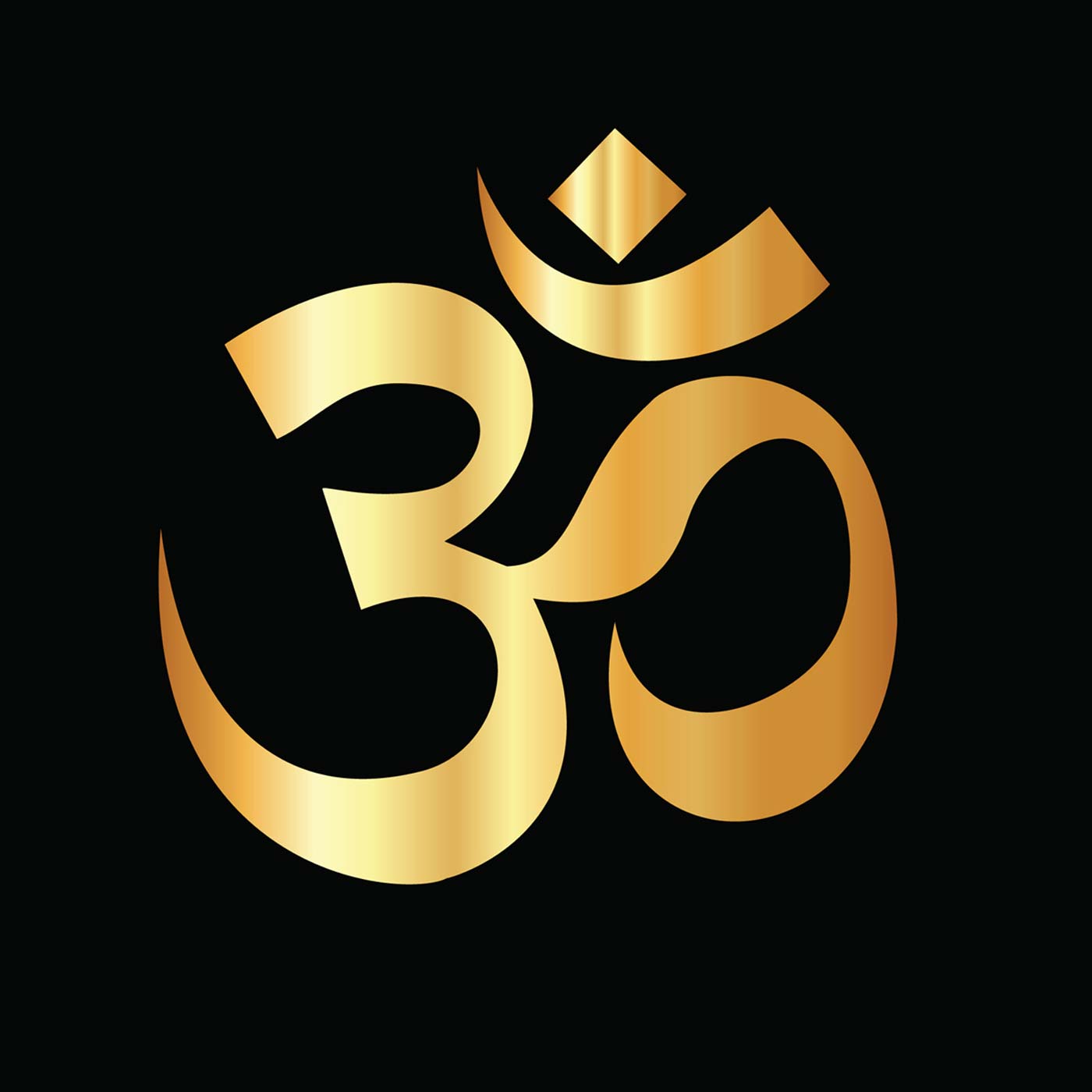
Sacred Symbols In Hinduism: Exploring The Spiritual Meaning Of Om, Swastika, And Lotus
Hinduism, a vibrant and ancient religion, holds a plethora of profound symbols that carry deep spiritual significance. Among these, Om, the swastika, and the lotus stand out as iconic representations of the divine and the cosmos. This article delves into the sacred meaning behind these symbols, exploring their profound connection with the Hindu faith and philosophy.
Om: The Primordial Sound of Creation
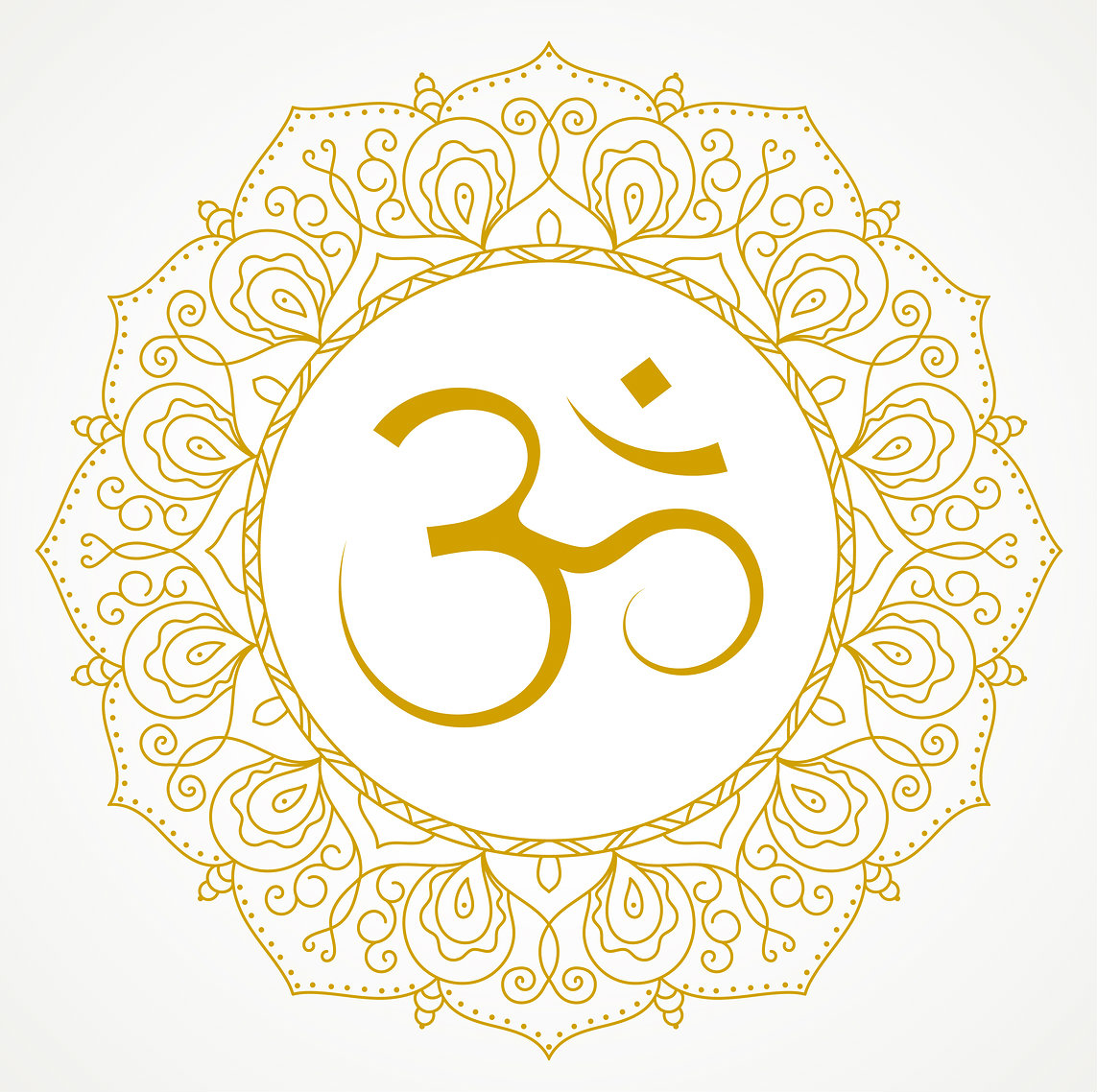
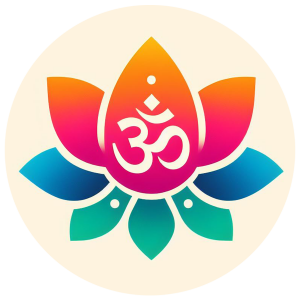
Om, an enigmatic symbol consisting of three interlaced Sanskrit letters, is considered the primordial sound of creation in Hinduism. It is believed to embody the totality of existence, from its birth to its dissolution. The three letters that comprise Om – A, U, and M – represent the three primary deities of the Hindu pantheon: Brahma, Vishnu, and Shiva. Together, they symbolize the cycle of creation, preservation, and destruction.
The sound of Om is sacred and is chanted as a mantra during meditation and religious ceremonies. It is believed to have a transformative power, capable of purifying the mind and fostering a connection with the divine. The utterance of Om is said to resonate with the vibrations of the universe, creating a harmonious unity between the individual and the cosmos.
Swastika: A Symbol of Auspiciousness and Well-being
The swastika, an ancient and widely recognized symbol, holds great significance in Hinduism. It is revered as a representation of auspiciousness, well-being, and prosperity. The word “swastika” is derived from the Sanskrit word “svasti,” which means “well-being.”
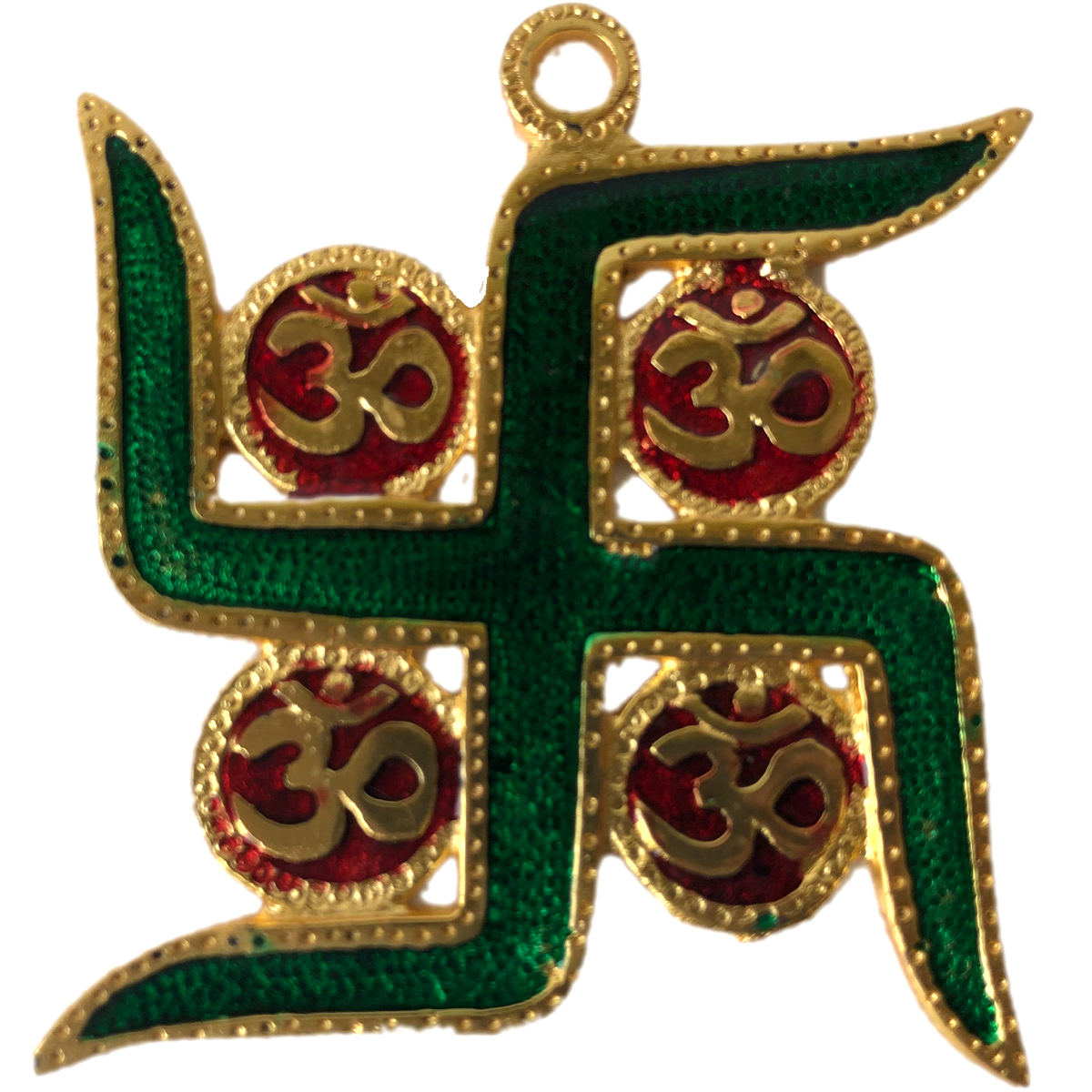
The swastika consists of four bent arms, each pointing in a cardinal direction. It symbolizes the wheel of life, representing the cycle of birth, death, and rebirth. The swastika is often found at the entrances of homes and temples, serving as a protective amulet against evil and negativity. It is also associated with the sun, which is revered as a source of life and vitality in Hinduism.
Lotus: A Symbol of Purity, Beauty, and Spiritual Growth
The lotus, an aquatic flower that blossoms in mud and murky waters, is a sacred symbol in Hinduism. It represents purity, beauty, and spiritual growth. The lotus is associated with the goddess Lakshmi, the consort of Vishnu, who is known for her grace, abundance, and prosperity.
The lotus symbolizes the ability to transcend adversity and achieve spiritual enlightenment. Its roots are firmly grounded in the mud, while its petals bloom beautifully above the water’s surface. This dichotomy represents the human capacity to rise above worldly distractions and attain inner peace and liberation. The lotus is often used in meditation and spiritual practices as a reminder of the potential for growth and transformation.
Conclusion
Om, the swastika, and the lotus are but a few of the many sacred symbols found in Hinduism. Each symbol carries a deep spiritual meaning and holds a significant place in the beliefs and practices of Hindus. These symbols not only serve as representations of the divine but also as guides for personal growth and spiritual enlightenment. By understanding their profound meanings, we gain a glimpse into the rich tapestry of Hindu tradition and its enduring influence on the human spirit.## Sacred Symbols In Hinduism: Exploring The Spiritual Meaning Of Om, Swastika, And Lotus
Executive Summary
Hinduism, one of the world’s oldest and most diverse religions, has a rich symbolism that has been passed down through generations. Three of the most iconic symbols in Hinduism are Om, the Swastika, and the Lotus. These symbols represent profound spiritual concepts and have been used for centuries in religious rituals, art, and architecture. In this article, we will explore the spiritual meaning of these three sacred symbols and their significance in Hinduism.
Introduction
Hinduism is a complex and multifaceted religion with a vast pantheon of gods and goddesses, as well as a rich tradition of mythology and symbolism. Sacred symbols play a central role in Hinduism, as they represent the divine and help devotees to connect with the divine. Three of the most important sacred symbols in Hinduism are Om, the Swastika, and the Lotus. These symbols have been used for centuries in religious rituals, art, and architecture, and they continue to hold deep spiritual significance for Hindus today.
FAQ
What is the meaning of Om?
Om is a sacred syllable that is considered the primordial sound of the universe. It is often used in meditation and prayer, as it is believed to represent the divine and to have the power to purify the mind and body.
What is the meaning of the Swastika?
The Swastika is an ancient symbol that has been used in many cultures around the world. In Hinduism, the Swastika represents the sun, good luck, and prosperity. It is often used in religious ceremonies and festivals, and it is also a popular symbol of good fortune.
What is the meaning of the Lotus?
The Lotus is a beautiful flower that is often used in Hindu art and symbolism. The Lotus represents purity, beauty, and spiritual enlightenment. It is often associated with the goddess Lakshmi, who is the goddess of wealth and prosperity.
Om
Om is a sacred syllable that is considered the primordial sound of the universe. It is often used in meditation and prayer, as it is believed to represent the divine and to have the power to purify the mind and body.
- Symbol of the divine: Om is believed to represent the divine and is often used in religious ceremonies and rituals.
- Primordial sound: Om is considered the primordial sound of the universe and is said to have been the first sound that was created.
- Symbol of the three worlds: Om is also said to represent the three worlds of Hinduism: the physical world, the mental world, and the spiritual world.
- Symbol of the four Vedas: Om is said to represent the four Vedas, which are the holy scriptures of Hinduism.
- Symbol of the five elements: Om is also said to represent the five elements of Hinduism: earth, water, fire, air, and ether.
Swastika
The Swastika is an ancient symbol that has been used in many cultures around the world. In Hinduism, the Swastika represents the sun, good luck, and prosperity. It is often used in religious ceremonies and festivals, and it is also a popular symbol of good fortune.
- Symbol of the sun: The Swastika is often associated with the sun and is believed to represent its power and life-giving energy.
- Symbol of good luck: The Swastika is also considered a symbol of good luck and prosperity. It is often used in religious ceremonies and festivals to bring good fortune.
- Symbol of the four directions: The Swastika is also said to represent the four directions: north, south, east, and west.
- Symbol of the four Vedas: The Swastika is also said to represent the four Vedas, which are the holy scriptures of Hinduism.
- Symbol of the five elements: The Swastika is also said to represent the five elements of Hinduism: earth, water, fire, air, and ether.
Lotus
The Lotus is a beautiful flower that is often used in Hindu art and symbolism. The Lotus represents purity, beauty, and spiritual enlightenment. It is often associated with the goddess Lakshmi, who is the goddess of wealth and prosperity.
- Symbol of purity: The Lotus is often associated with purity and is believed to represent the purity of the divine.
- Symbol of beauty: The Lotus is also a symbol of beauty and is often used in art and architecture to represent the beauty of the divine.
- Symbol of spiritual enlightenment: The Lotus is also a symbol of spiritual enlightenment and is often used in meditation and yoga to represent the goal of reaching enlightenment.
- Symbol of the goddess Lakshmi: The Lotus is often associated with the goddess Lakshmi, who is the goddess of wealth and prosperity.
- Symbol of the eightfold path: The Lotus is also said to represent the eightfold path, which is the path to enlightenment.
Conclusion
Om, the Swastika, and the Lotus are three of the most important sacred symbols in Hinduism. These symbols represent profound spiritual concepts and have been used for centuries in religious rituals, art, and architecture. They continue to hold deep spiritual significance for Hindus today and serve as a reminder of the divine and the goal of spiritual enlightenment.
Keyword Tags
- Hinduism
- Sacred symbols
- Om
- Swastika
- Lotus