Mythical Inspirations: How Hindu Mythology Influences Contemporary Art And Literature
Hindu mythology, with its rich tapestry of gods, goddesses, heroes, and stories, has had a profound and enduring influence on Indian art and literature throughout history. In contemporary times, these ancient myths continue to inspire artists and writers, providing a wealth of material for creative exploration and expression.
Art
In the realm of art, Hindu mythology has been a major source of inspiration for centuries. Traditional Indian paintings, sculptures, and architecture often depict scenes from Hindu epics such as the Ramayana and the Mahabharata. These works showcase the mythological characters, their adventures, and the moral lessons they embody.
In contemporary art, Hindu mythology continues to provide a fertile ground for creative experimentation. Artists such as M.F. Husain, K.G. Subramanyan, and Bhupen Khakhar have drawn inspiration from Hindu myths to create striking and thought-provoking works. Their paintings, sculptures, and installations explore themes of love, devotion, power, and the human condition.
Literature
Hindu mythology has also had a significant impact on Indian literature. The ancient epics, such as the Ramayana and the Mahabharata, are among the most widely read and influential works in Indian history. These epics have inspired countless retellings, adaptations, and modern interpretations.
In contemporary Indian literature, Hindu mythology continues to play a vital role. Authors such as Salman Rushdie, Vikram Seth, and Amitav Ghosh have incorporated mythological themes and characters into their novels and stories. These works explore the complexities of modern Indian society, drawing parallels between the ancient myths and current events.
Contemporary Examples
Here are a few specific examples of how Hindu mythology has influenced contemporary art and literature:
- Art: M.F. Husain’s painting “Bharat Mata” (Mother India) depicts the goddess Durga as a powerful and compassionate figure, embodying the strength and resilience of India.
- Literature: Salman Rushdie’s novel “Midnight’s Children” weaves together elements of Hindu mythology, Indian history, and political satire to create a complex and unforgettable story about post-colonial India.
Conclusion
Hindu mythology is an inexhaustible source of inspiration for contemporary artists and writers. Its characters, stories, and themes continue to resonate with audiences today, providing a rich and meaningful framework for exploring the human experience. Through their art and literature, contemporary artists and writers are reinterpreting and reimagining Hindu mythology, bringing its ancient wisdom to life in new and captivating ways.## Mythical Inspirations: How Hindu Mythology Influences Contemporary Art And Literature
Executive Summary
Hindu mythology has been a rich source of inspiration for contemporary art and literature. Its diverse array of deities, stories, and beliefs provide a wealth of material that artists and writers have drawn upon to create powerful and evocative works. This article explores the various ways in which Hindu mythology continues to influence contemporary culture.
Introduction
Hindu mythology is one of the oldest and most complex religious traditions in the world. Its origins can be traced back to the Vedic period, over 3,500 years ago. Over the centuries, Hindu mythology has evolved and expanded, incorporating elements from various cultures and traditions. Today, it is a vast and multifaceted body of knowledge, encompassing a wide range of beliefs, practices, and rituals.
FAQs
- What is Hindu mythology?
- Hindu mythology is the body of stories and beliefs that surround the Hindu religion. It includes stories about the gods, goddesses, and other divine beings, as well as the creation of the universe and the cycles of reincarnation.
- How does Hindu mythology influence contemporary art and literature?
- Hindu mythology provides artists and writers with a rich source of inspiration. Its stories, characters, and symbols have been used to create a wide range of works, including paintings, sculptures, novels, and films.
- What are some examples of Hindu mythology in contemporary art and literature?
- Some examples of Hindu mythology in contemporary art include the paintings of Raja Ravi Varma, the sculptures of Anish Kapoor, and the novels of Salman Rushdie.
Subtopics
Deities
Hindu mythology is home to a vast pantheon of deities, each with their own unique attributes and powers. These deities are often depicted in art and literature, and their stories have been used to inspire moral lessons and spiritual insights.
- Brahma: The creator god, who is responsible for the creation of the universe.
- Vishnu: The preserver god, who protects the universe from destruction.
- Shiva: The destroyer god, who represents the forces of chaos and transformation.
- Lakshmi: The goddess of wealth and prosperity.
- Saraswati: The goddess of knowledge and music.
Stories
Hindu mythology is full of stories, both sacred and secular. These stories tell of the adventures of the gods and goddesses, as well as of the struggles of mortals. They have been used to teach moral lessons, to entertain, and to inspire spiritual devotion.
- The Ramayana: The epic poem that tells the story of Rama, an incarnation of Vishnu, and his battle against the demon king Ravana.
- The Mahabharata: The epic poem that tells the story of the Kurukshetra War, a conflict between two branches of the same family.
- The Bhagavad Gita: A sacred text that is part of the Mahabharata, and which contains the teachings of Krishna, an incarnation of Vishnu.
- The Panchatantra: A collection of fables that teach moral lessons.
- The Jataka Tales: A collection of stories that tell of the previous lives of the Buddha.
Symbols
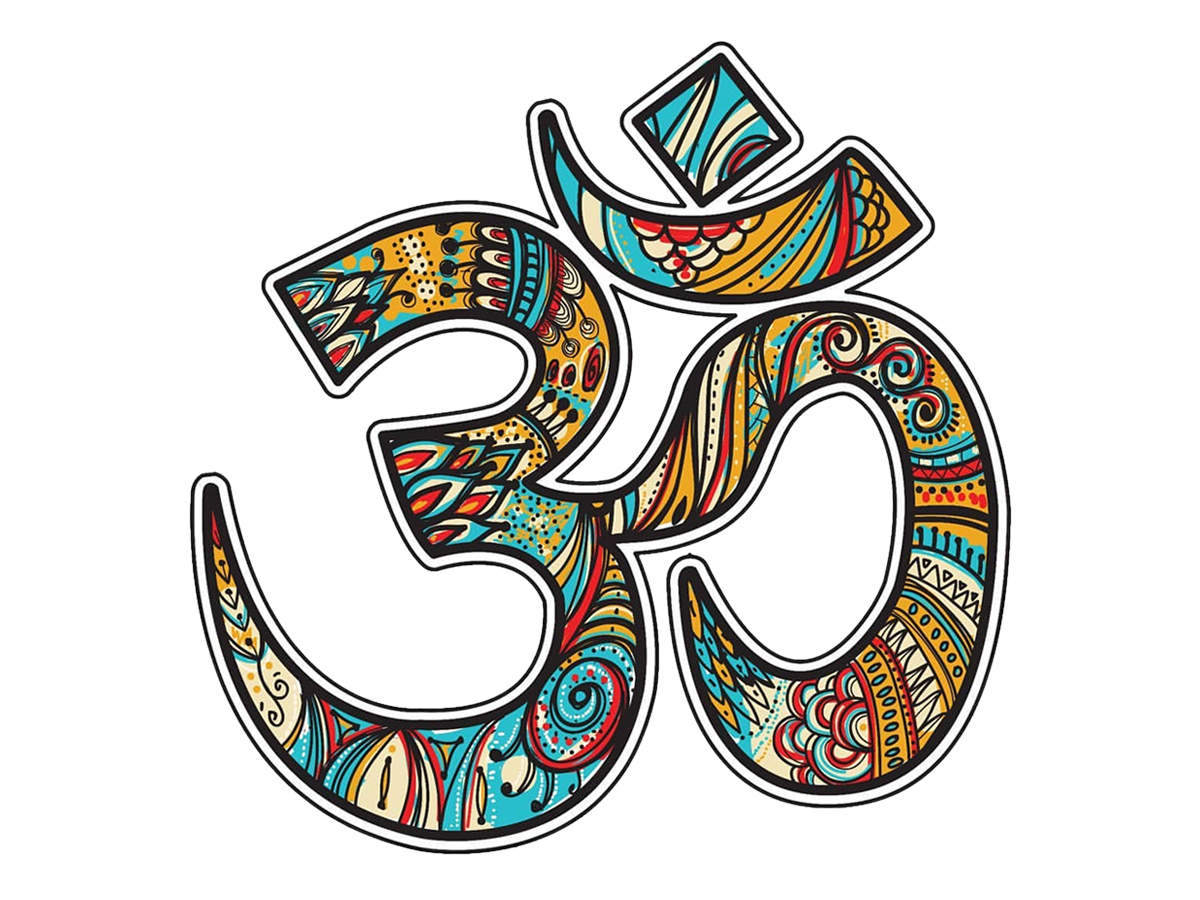
Hindu mythology is full of symbols, which represent different aspects of the divine and the natural world. These symbols are often used in art and literature to convey complex ideas and evoke spiritual emotions.
- The莲花(lotus): A symbol of purity and spiritual enlightenment.
- The牛(cow): A symbol of fertility and abundance.
- The蛇(snake): A symbol of wisdom and transformation.
- The三叉戟(trident): A symbol of Shiva, the destroyer god.
- The吉祥天女(auspicious mark): A symbol of good luck and fortune.
Rituals
Hindu mythology is closely tied to religious rituals and practices. These rituals are performed to honor the gods and goddesses, to seek their blessings, and to achieve spiritual growth.
- Puja: A ritual offering of flowers, food, and other items to the gods and goddesses.
- Yagna: A sacred fire ritual that is used to purify the mind and body, and to invoke the gods.
- Bhakti: A devotional practice that involves the worship of a particular deity.
- Meditation: A practice that is used to achieve a state of inner peace and spiritual awareness.
- Pilgrimage: A journey to a holy place, such as a temple or a river, to seek the blessings of the gods.
Beliefs
Hindu mythology is based on a number of core beliefs, including the following:
- Samsara: The cycle of birth, death, and rebirth.
- Karma: The law of cause and effect.
- Dharma: The path of righteousness.
- Moksha: Liberation from the cycle of samsara.
- God: The ultimate reality, which is both immanent and transcendent.
Conclusion
Hindu mythology continues to be a powerful source of inspiration for contemporary art and literature. Its stories, characters, symbols, and beliefs provide artists and writers with a rich source of material to draw upon. As a result, Hindu mythology continues to play a vital role in shaping the cultural landscape of our world.
Keyword Tags
- Hindu mythology
- Art
- Literature
- Deities
- Stories
- Symbols