Hinduism: A Journey Through Faith and Philosophy
Introduction
Hinduism, a complex and ancient religion, has been an integral part of human spirituality for millennia. Across the Indian subcontinent, millions of Hindus have preserved unique beliefs, practices, and rituals that have shaped their lives and cultures. This article explores various aspects of Hinduism, unraveling its diverse concepts, customs, and profound philosophies.
The Origins and History of Hinduism
The origins of Hinduism can be traced back to the Indus Valley Civilization around 2500-1900 BCE. This period witnessed the emergence of various religious beliefs and practices that laid the foundation of what we now know as Hinduism. The religion was further shaped by Aryan migration to India and the merging of their beliefs with those of indigenous populations.
Core Beliefs of Hinduism
Hinduism is a diverse collection of beliefs and philosophies. However, several fundamental concepts bind Hindus together:
- Brahman: The supreme, eternal, and impersonal reality that Hindus believe permeates all existence.
- Atman: The inner self, or soul, that is identical to Brahman.
- Reincarnation: The continuous cycle of birth, death, and rebirth in different forms.
- Karma: The principle of action and reaction, which determines one’s destiny and future incarnations.
- Moksha: Liberation from the cycle of rebirth and the attainment of union with Brahman.
Religious Practices
Hinduism emphasizes personal devotion and spiritual discipline. Religious practices vary widely across different sects and regions, but some common practices include:
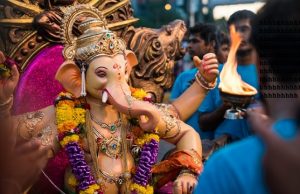
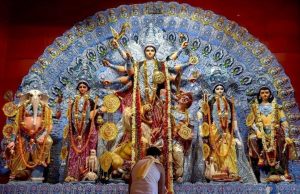
- Worship: Hindus worship a multitude of gods and goddesses, including Brahma, Vishnu, Shiva, and Devi.
- Yagna: Ritual fire ceremonies that invoke divine power.
- Puja: Offering prayers and sacrifices to deities.
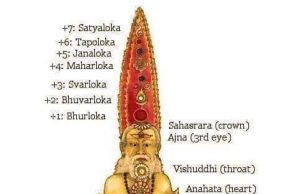
- Yoga: A practice that combines physical postures, breath control, and meditation.
- Pilgrimage: Traveling to sacred places to seek blessings and spiritual enlightenment.
Schools of Thought
Hinduism encompasses various schools of thought, each interpreting and emphasizing different aspects of the religion:
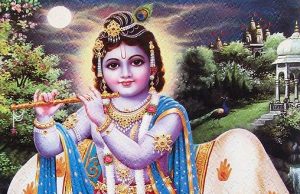
- Vaishnavism: Focuses on devotion to Vishnu and his avatars, such as Krishna and Rama.
- Shaivism: Centers on the worship of Shiva as the supreme deity.
- Shaktism: Emphasizes the divine feminine and the worship of goddesses such as Devi and Kali.
- Advaita Vedanta: Proposes non-duality, where the individual soul (Atman) and the ultimate reality (Brahman) are one.
Ethics and Values
Hinduism places great importance on ethics and values:
- Dharma: The path of righteousness, duty, and good conduct.
- Ahimsa: Non-violence and compassion towards all living beings.
- Truthfulness: The importance of speaking and acting truthfully.
- Charity: The virtue of giving to those in need.
Hinduism and the Modern World
Hinduism continues to shape the lives of millions worldwide. It has influenced Indian culture, art, architecture, and literature. In the modern age, Hindu concepts of spirituality and meditation are gaining increasing interest in the West.
Conclusion
Hinduism is a diverse and complex religion with a rich history and a profound impact on human civilization. Its beliefs, practices, and philosophies continue to guide millions of Hindus in their daily lives and provide insights into the nature of existence and the pursuit of spiritual liberation.
Secondary Keywords:
- Hinduism beliefs
- Hinduism practices
- Hinduism history
- Hinduism philosophies
- Hinduism ethics