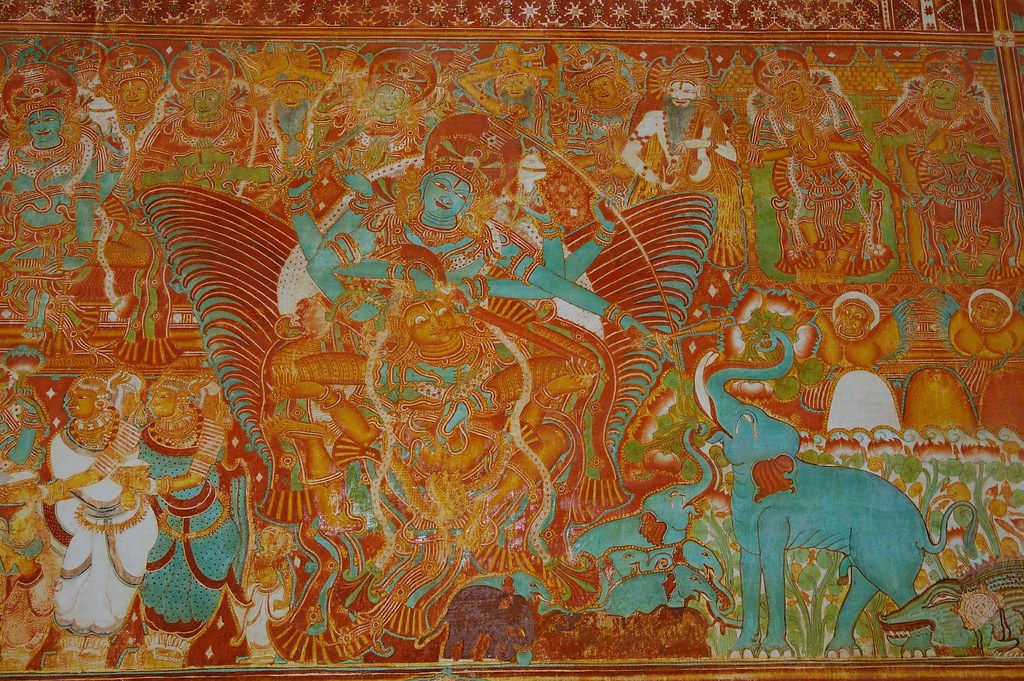
eGod – The Hindu Moksha: Attaining Liberation from the Cycle of Rebirth. Moksha, the ultimate goal of human life according to Hinduism, means liberation from the cycle of birth and death. It is the attainment of spiritual perfection and merging with the divine.
The Concept of Moksha in Hinduism
In Hinduism, the cycle of birth and death is known as Samsara. It is the belief that the soul or the Atman passes through a series of births and deaths until it attains Moksha. According to Hinduism, the ultimate aim of human life is to attain Moksha, and it can be achieved by following the path of Dharma, Karma, and Bhakti.
Dharma means righteous living. It is the duty of every human being to follow the path of righteousness and live a life that is free from sin. By following the path of Dharma, one can purify the mind and prepare it for the attainment of Moksha.
Also Read: Hinduism and Meditation: Techniques for Inner Peace and Self-Realization
Karma means action. According to Hinduism, every action has a consequence. The law of Karma states that every action that we perform will have an effect on our life. Good actions will result in good consequences, and bad actions will result in bad consequences. By performing good actions, one can accumulate good Karma and purify the mind, which is necessary for the attainment of Moksha.
Bhakti means devotion to God. It is the path of love and devotion to God. By practicing Bhakti, one can develop a deep connection with God and attain spiritual enlightenment. Bhakti involves chanting the name of God, performing puja, and offering prayers to God.
Also Read: Understanding Karma: How Hinduism Views the Law of Cause and Effect
Ways to Attain Moksha
There are several ways to attain Moksha in Hinduism. Some of the ways are:
Jnana Yoga
It is the path of knowledge. By acquiring knowledge of the self and the universe, one can attain spiritual enlightenment and liberation from the cycle of birth and death.
Karma Yoga
It is the path of action. By performing selfless actions without expecting any reward, one can purify the mind and prepare it for the attainment of Moksha.
Also Read: The Concept of Maya: Understanding the Illusion of Reality in Hinduism
Bhakti Yoga
It is the path of devotion. By developing a deep connection with God through devotion and love, one can attain spiritual enlightenment and liberation from the cycle of birth and death.
Raja Yoga
It is the path of meditation. By practicing meditation, one can control the mind and attain spiritual enlightenment.
Also Read: The Four Main Paths of Hinduism: Karma, Bhakti, Jnana, and Raja Yoga
Moksha is the ultimate goal of human life according to Hinduism. It is the liberation from the cycle of birth and death and the attainment of spiritual perfection. Moksha can be achieved by following the path of Dharma, Karma, and Bhakti. There are several ways to attain Moksha, such as Jnana Yoga, Karma Yoga, Bhakti Yoga, and Raja Yoga. By following the path of Moksha, one can attain spiritual enlightenment and merge with the divine.
In conclusion, attaining Moksha is the ultimate goal of human life according to Hinduism. It involves following the path of Dharma, Karma, and Bhakti, and there are several ways to achieve it, such as Jnana Yoga, Karma Yoga, Bhakti Yoga, and Raja Yoga.
Also Read: The Hindu Concept of Dharma: Living a Life of Righteousness and Duty
#Hinduism #Moksha #Rebirth #Spirituality #Religion