eGod – The Hindu Perspective on Death and the Afterlife: Exploring Spiritual Beliefs and Practices. Death and the afterlife have been topics of great contemplation and curiosity across different cultures and religions. In Hinduism, one of the world’s oldest religions, the concept of death holds profound significance.
This article delves into the Hindu perspective on death and the afterlife, shedding light on spiritual beliefs and practices that guide Hindus in understanding the journey beyond mortal life.
Also Read: The Concept of Reincarnation in Hinduism
1Hinduism’s Perception of Death
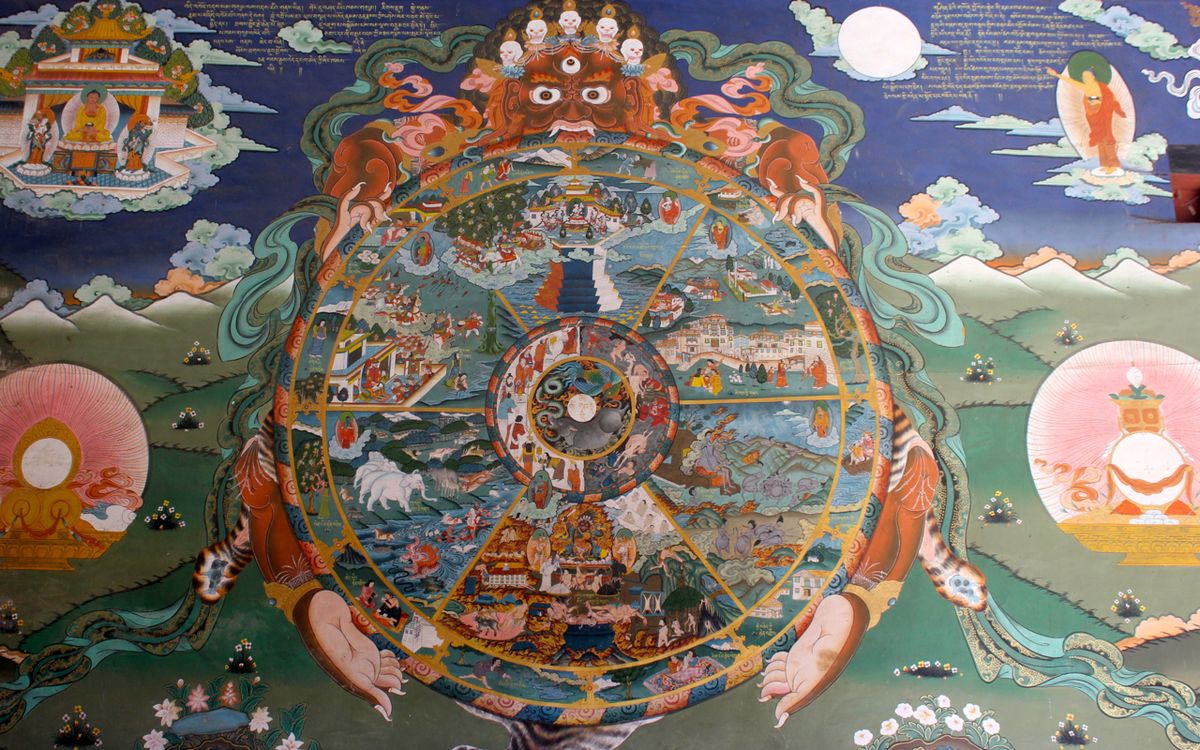
Hinduism views death as a natural part of the eternal cycle of life and rebirth. According to Hindu beliefs, the soul (Atman) is eternal and continues its journey through various lifetimes (Samsara). Death marks the transition of the soul from one physical body to another.
2Karma and Reincarnation
Central to Hindu teachings is the concept of karma, the law of cause and effect. Hindus believe that one’s actions in each lifetime shape their future experiences. The quality of one’s deeds determines the trajectory of their soul’s reincarnation, with the ultimate goal being liberation from the cycle of rebirth (Moksha).
Also Read: The Four Main Paths of Hinduism: Karma, Bhakti, Jnana, and Raja Yoga
3Rituals and Practices
Hinduism offers a multitude of rituals and practices surrounding death and the afterlife. Antyesti, the last rites ceremony, involves cremation and the immersion of ashes in holy rivers. This ritual is believed to help the departed soul transition to the next life.
4The Role of Dharma
Dharma, the righteous and ethical path, plays a significant role in the Hindu perspective on death. Leading a virtuous life in accordance with one’s dharma is believed to positively influence the soul’s journey after death.
Also Read: Understanding Karma: How Hinduism Views the Law of Cause and Effect
5The Afterlife
Hinduism presents various notions of the afterlife. Some believe in Svarga (heavenly realms) and Naraka (hellish realms), where the soul experiences the results of its karma. Others emphasize the idea of the soul merging with the divine (Brahman) upon attaining Moksha.
6Mourning and Grief
The Hindu tradition acknowledges mourning and grief as natural responses to death. However, it also emphasizes the importance of maintaining detachment and understanding the impermanence of life. Rituals such as Shradh are performed to honor and offer prayers for the departed soul.
Also Read:
7Sacred Texts and Philosophical Teachings
Hinduism draws wisdom from ancient texts like the Bhagavad Gita, the Upanishads, and the Vedas. These scriptures provide philosophical insights into death, the soul’s journey, and the pursuit of spiritual enlightenment.
8Symbolism and Mythology
Hinduism employs symbolism and mythology to illustrate concepts related to death and the afterlife. Gods and goddesses, such as Yama (the god of death) and Chitragupta (the divine record keeper), feature prominently in these narratives.
Also Read: Why Hindu Gods Have Now Stopped Incarnation?
9Modern Interpretations
In contemporary Hinduism, there is a wide spectrum of interpretations regarding death and the afterlife. Some focus on the symbolism and metaphorical aspects, while others emphasize the inner transformation required to attain liberation.
Also Read: The Hindu Concept of Dharma: Living a Life of Righteousness and Duty
The Hindu perspective on death and the afterlife is deeply rooted in spiritual traditions and philosophical concepts. Understanding these beliefs and practices provides insights into the significance of death in Hinduism and the journey of the soul.